- Welcome to YOCH Bearing!
- 0086-531-85866205
- 0086-16653196205
- market@yochibearing.com

How Self-Aligning Roller Bearings Solve Equipment Misalignment Faults

SKF Sealed Bearing Model Identification and Selection Guide
26/06/2026
Angular Contact Ball Bearing High-Speed Spindle Pairing Methods
02/07/2026Self-aligning roller bearings are critical components in modern rotating machinery. They offer a unique solution to one of the most persistent problems in industrial equipment: shaft misalignment. This article explores how these bearings effectively address misalignment issues and ensure reliable equipment operation.
What Is Bearing Misalignment?
Misalignment occurs when the shaft centerline deviates from its intended position. It can result from installation errors, foundation settling, thermal expansion, or operational loads. Even small misalignment angles can cause excessive vibration, premature wear, and catastrophic equipment failure.
How the Bearing Self-Aligning Mechanism Works
The bearing features a spherical outer ring raceway. This design allows the inner ring and roller assembly to tilt freely within the outer ring. When shaft misalignment occurs, the bearing automatically adjusts its position to accommodate angular deviations. This self-correcting capability prevents uneven load distribution across the rolling elements.
Key Structural Features of the Bearing
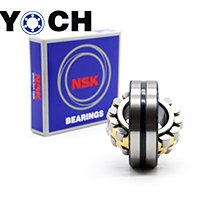
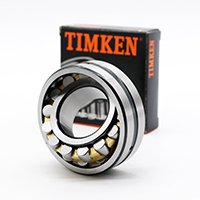
The bearing consists of two rows of barrel-shaped rollers. A common spherical raceway in the outer ring guides these rollers. The symmetrical roller design ensures balanced load sharing. A robust cage maintains proper roller spacing during operation. These structural elements work together to provide both high load capacity and misalignment compensation.
Types of Misalignment the Bearing Can Handle
Self-aligning roller bearings can accommodate angular misalignment typically up to 2.5 degrees. They handle both static misalignment from installation and dynamic misalignment caused by operational deflection. This versatility makes them suitable for applications where perfect shaft alignment is difficult to maintain.
Common Causes of Equipment Misalignment
Foundation settling often shifts equipment position over time. Thermal growth during operation changes relative shaft positions. Pipe strain and coupling forces introduce external loads. Manufacturing tolerances in housings and shafts create inherent misalignment potential. The bearing compensates for all these real-world conditions.
Performance Benefits in Misaligned Conditions
The bearing maintains consistent contact geometry despite misalignment. This ensures uniform stress distribution across roller surfaces. Operating temperatures remain stable because friction does not concentrate on individual rollers. Vibration levels stay within acceptable limits. Equipment reliability improves significantly compared to rigid bearing types.
Typical Applications Requiring Self-Aligning Bearings
Papermaking machinery experiences continuous thermal expansion. Mining equipment operates under heavy shock loads and vibration. Wind turbine gearboxes face variable wind-induced deflections. Steel rolling mills endure extreme temperatures and mechanical stresses. In all these cases, the self-aligning bearing provides essential misalignment tolerance.
Installation Considerations for the Bearing
Proper mounting ensures the bearing can perform its self-aligning function. The housing bore must be machined to correct tolerances. Shaft fit should allow free tilting movement. Adequate axial clearance must be maintained. Lubrication channels should not obstruct the aligning motion. Careful installation maximizes the bearing‘s misalignment compensation capability.
Maintenance Best Practices
Regular vibration monitoring detects misalignment changes early. Temperature sensors identify abnormal friction patterns. Lubrication quality affects the bearing‘s ability to self-adjust under load. Periodic inspection of housing fits prevents external constraint of the aligning movement. Proper maintenance extends service life even in misalignment-prone applications.
Conclusion
Self-aligning roller bearings represent an elegant engineering solution to equipment misalignment challenges. Their spherical raceway design automatically compensates for angular shaft deviations. This capability reduces maintenance requirements, prevents premature failures, and improves overall equipment reliability. For machinery operating in conditions where perfect alignment is impractical, these bearings provide essential protection and performance assurance.
We are a bearing supplier from China. If you want to learn more about other bearing knowledge, you can watch our YouTube or contact us.