- Welcome to YOCH Bearing!
- 0086-531-85866205
- 0086-16653196205
- market@yochibearing.com

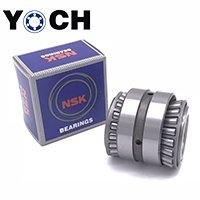
NSK Precision Bearing Noise Reduction Maintenance Practical Tutorial
TIMKEN Tapered Roller Bearing Authenticity Verification Methods
10/07/2026
ZWZ Wind Turbine Bearing Assembly Precautions: Key Practices for Large-Scale Operations
22/07/2026Proper maintenance of NSK precision bearings is essential for ensuring optimal performance, extending service life, and minimizing operational noise. This comprehensive guide provides practical, step-by-step instructions for noise reduction maintenance tailored specifically for NSK precision bearings.
Understanding NSK Precision Bearing Noise Sources
Before implementing noise reduction measures, it is crucial to understand the common causes of bearing noise. NSK precision bearings are engineered for high accuracy and low friction, but several factors can contribute to unwanted sound during operation.
Contamination is one of the leading causes of bearing noise. Dust, debris, and moisture can infiltrate the bearing assembly, causing surface damage and increasing friction. Improper lubrication—whether insufficient, excessive, or using the wrong lubricant type—can also generate noise due to inadequate film formation between rolling elements and raceways.
Additionally, misalignment and improper mounting can create uneven load distribution, leading to vibration and acoustic emissions. Wear from extended use, fatigue, or corrosion further degrades bearing performance and elevates noise levels.
Bearing Inspection and Pre-Maintenance Assessment
A thorough inspection is the foundation of effective bearing maintenance. Begin by carefully removing the bearing from its housing, documenting its position and orientation for accurate reassembly.
Visually examine the bearing raceways, rolling elements, and cage for signs of wear, pitting, discoloration, or corrosion. Use a magnifying glass or borescope for detailed inspection of internal surfaces. Listen for abnormal sounds when rotating the bearing by hand—grinding, clicking, or rough rotation indicates internal damage.
Measure internal clearances using appropriate feeler gauges or dial indicators. Compare measurements against NSK specifications to determine if clearance adjustments or bearing replacement is necessary. Document all findings to establish a maintenance baseline and track degradation over time.
Bearing Cleaning Procedures for Noise Reduction
Effective cleaning removes contaminants that contribute to noise generation. Select cleaning agents compatible with NSK bearing materials—typically high-grade mineral spirits, specialized bearing cleaners, or mild alkaline solutions for heavily soiled bearings.
Immerse the bearing in the cleaning solution and gently agitate to loosen debris. Use soft brushes to clean raceways and rolling elements, avoiding abrasive tools that could damage precision surfaces. For bearings with shields or seals, exercise caution to prevent solvent ingress into sealed areas if the seals are to be retained.
Rinse thoroughly with clean solvent to remove all residue. Dry bearings immediately using lint-free cloths or filtered compressed air, ensuring air nozzles do not spin the bearing at excessive speeds, which can cause race damage. Verify cleanliness by inspecting under bright light before proceeding to lubrication.
Bearing Lubrication Techniques for Optimal Noise Performance
Proper lubrication is paramount for noise reduction in NSK precision bearings. The lubricant forms a protective film that separates rolling elements from raceways, minimizing metal-to-metal contact and dampening vibrations.
Select lubricants based on operating conditions. For high-speed applications, low-viscosity oils or greases with excellent mechanical stability are preferred. In high-temperature environments, synthetic lubricants with thermal stability are recommended. NSK offers specialized greases formulated specifically for noise-sensitive applications.
Apply grease in controlled quantities—typically filling 30% to 50% of the bearing internal space for open bearings. Over-greasing generates excessive churning heat and increases noise, while under-greasing fails to provide adequate film protection. For oil-lubricated systems, ensure consistent supply and monitor oil cleanliness through filtration systems.
Distribute lubricant evenly by slowly rotating the bearing during application. This ensures all contact surfaces receive proper coverage and helps expel trapped air that could cause acoustic disturbances.
Bearing Installation and Alignment Best Practices
Correct installation directly impacts bearing noise levels. Always use clean, dedicated tools designed for bearing mounting. Never strike the bearing directly with hammers or apply force through rolling elements, as this causes brinelling and permanent noise-inducing damage.
Heat mounting is recommended for interference fits. Induction heaters provide controlled, uniform heating of the inner ring to approximately 80–100°C above shaft temperature, allowing smooth installation without excessive force. Monitor temperature carefully to prevent metallurgical changes.
Ensure perfect alignment between shaft and housing seats. Misalignment exceeding NSK tolerance specifications creates edge loading, generating vibration and premature wear. Use precision measuring instruments to verify concentricity and perpendicularity before final assembly.
Apply appropriate preload for angular contact bearings according to NSK guidelines. Proper preload eliminates internal clearance without over-constraining the bearing, optimizing stiffness while maintaining low noise characteristics.
Bearing Monitoring and Preventive Maintenance Schedule
Establish a routine monitoring program to detect noise issues before they escalate. Implement vibration analysis using accelerometers to identify bearing-specific frequency signatures associated with defects. Sudden increases in vibration amplitude often precede audible noise degradation.
Conduct periodic acoustic measurements using sound level meters or specialized bearing noise detection equipment. Compare results against baseline data to trend performance degradation. NSK recommends documenting noise levels during initial commissioning to establish reference values.
Schedule preventive maintenance based on operating hours, load conditions, and environmental factors. High-speed or contaminated applications require more frequent inspection intervals. Maintain detailed maintenance logs including lubrication dates, contamination events, and measured parameters.
Replace bearings proactively when inspection reveals measurable wear or when noise levels exceed acceptable thresholds. Waiting for catastrophic failure risks damage to mating components and extended equipment downtime.
Conclusion
Effective noise reduction maintenance for NSK precision bearings requires systematic inspection, meticulous cleaning, proper lubrication, precise installation, and ongoing monitoring. By following these practical procedures, technicians can significantly extend bearing service life while maintaining the quiet, smooth operation characteristic of NSK precision engineering. Consistent application of these maintenance practices ensures reliable performance in the most demanding applications.
We are a bearing supplier from China. If you want to learn more about other bearing knowledge, you can watch our YouTube or contact us.