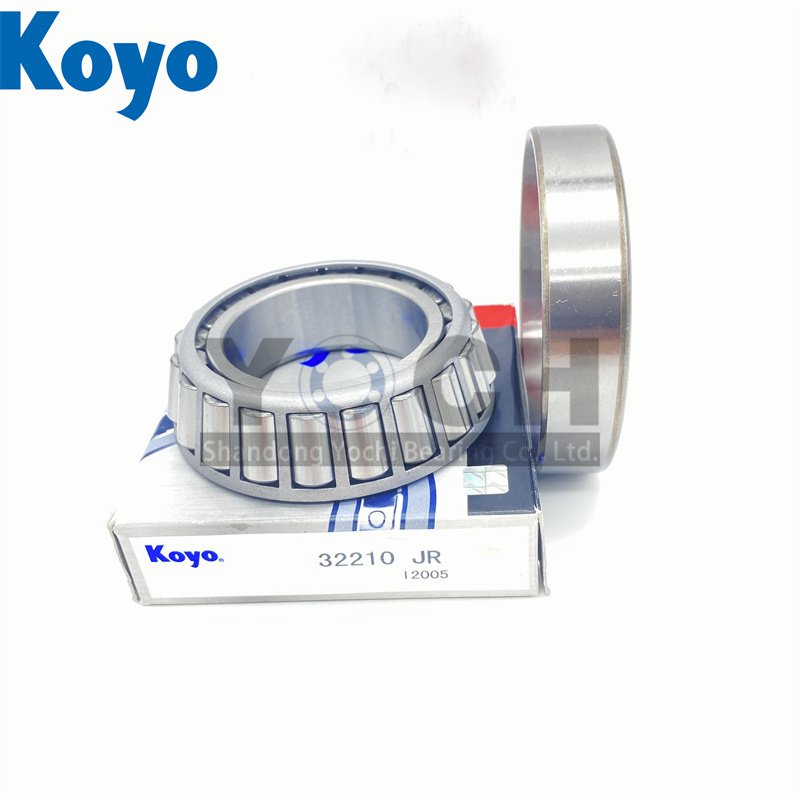
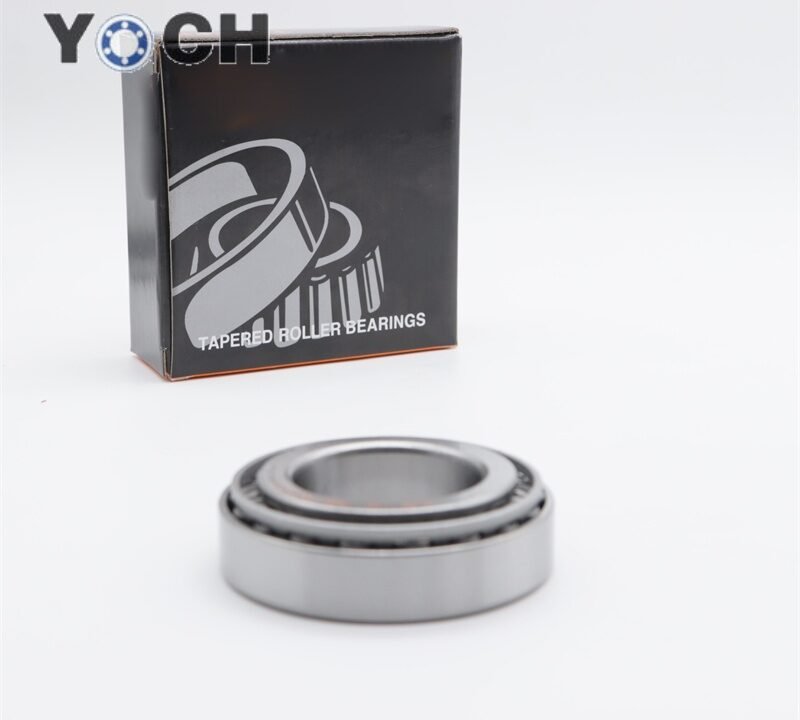
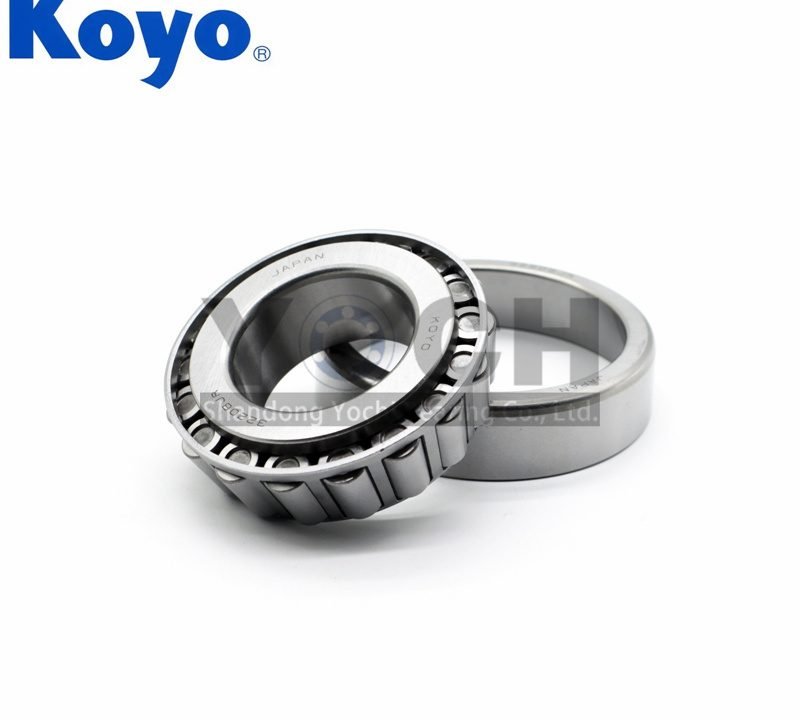
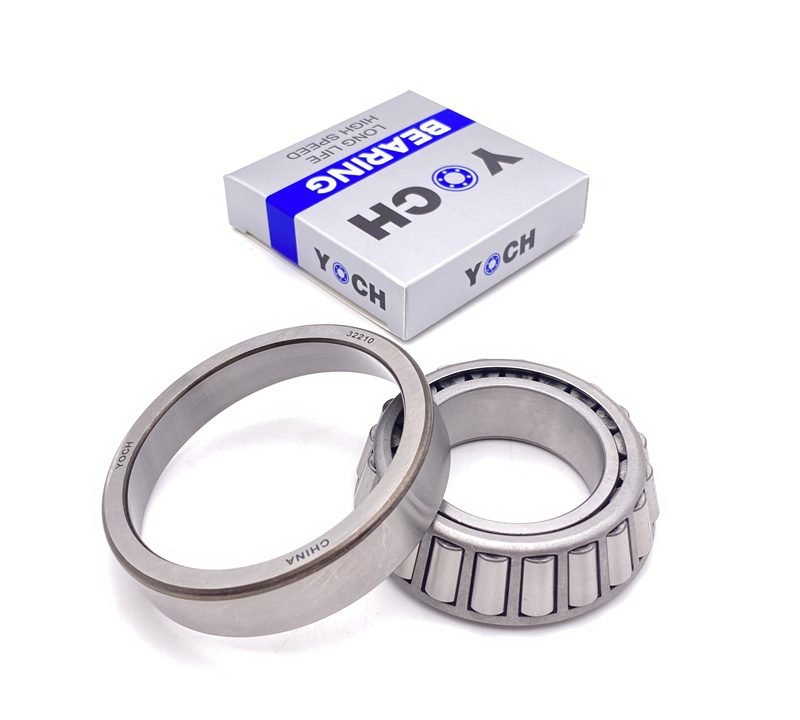
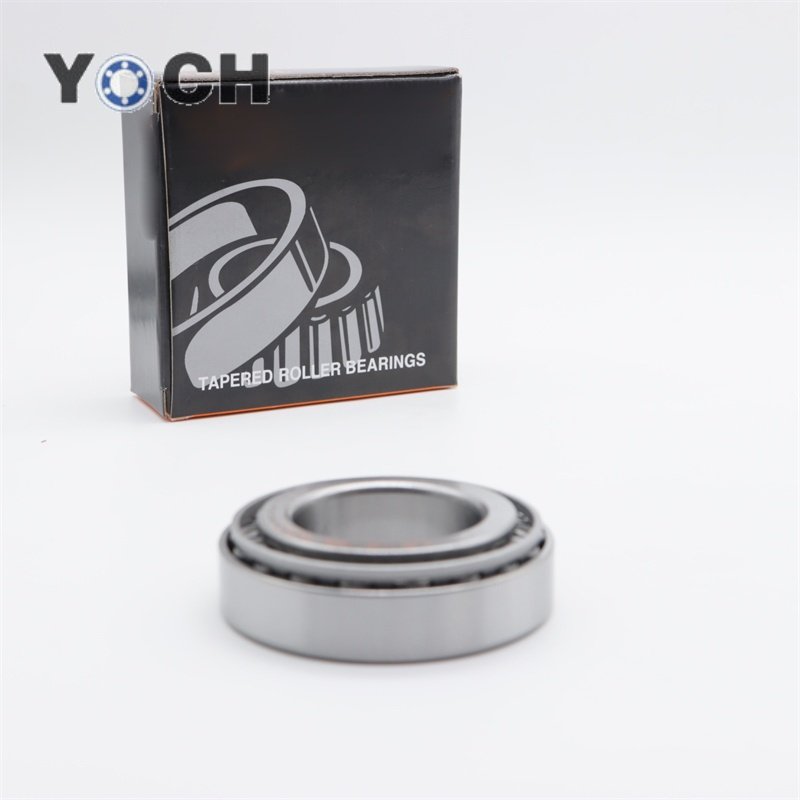
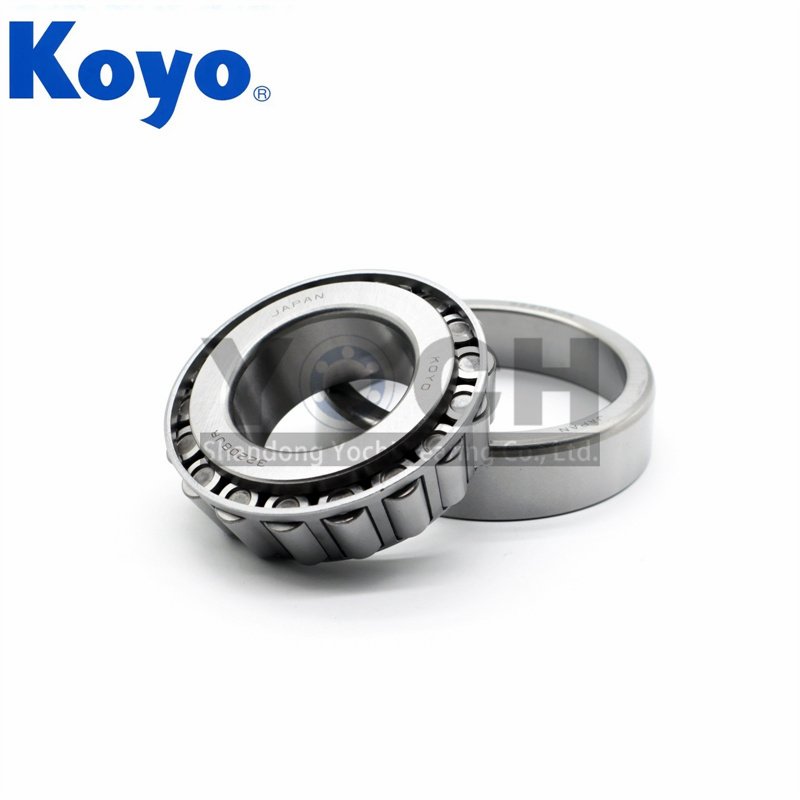
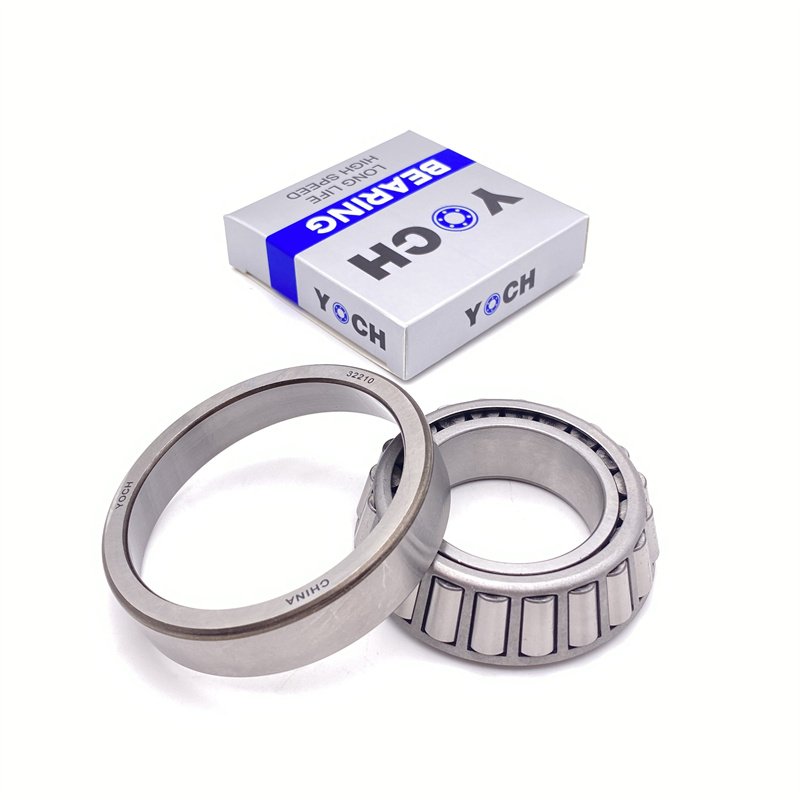
Bearing Manufacturer KOYO 47890/47820 Inch Tapered Roller Bearing
20/02/2024KOYO Original Factory Bearing ST3072-9 Inch Tapered Roller Bearing
19/02/2024
Main applicable cage:
Steel plate stamping cage, synthetic resin forming cage, pin cage.
Main applications of taper roller bearing:
Front wheel, rear wheel, transmission, differential pinion shaft. Machine tool spindles, construction machinery, large agricultural machinery, railway vehicle gear reducer, rolling mill roller neck and reducer.
Structure:
This type of bearing is equipped with a round platform roller, the roller by the inner ring of the large rim.
Single row bearings can bear radial load and unidirectional axial load, and double row bearings can bear radial load and bidirectional axial load.Suitable for bearing heavy load and shock load.
According to the different contact Angle (α), it can be divided into three types: small cone Angle, middle cone Angle and large cone Angle. The larger the contact Angle is, the greater the axial load capacity is.
Outer ring and inner assembly (inner ring and roller and cage assembly) can be separated for easy assembly and disassembly.
Common uses of tapered roller bearings
A tapered roller bearing is appropriate wherever a bearing must handle combination loads. One of the most common uses is maintaining axial balance, achieved with multiple tapered roller bearings along an axle or shaft. The tapered bearings will evenly distribute loads when adequately aligned, minimizing wear and tear on the components. With higher surface area, tapered roller bearings can distribute friction and heat from combination loads more efficiently than non-tapered rollers (which are more efficient than tapered bearings only with the most straightforward non-combination forces). This reduced friction increases the rotational speed of interfacing parts and makes tapered roller bearings ideal for use in:
Engines
Motors
Gearboxes (especially those with helical gears)
Wheels & axles
Turbines & propellers
This equipment must combine many different angles and utilize them to drive motors, driveshafts, and other rotational components.