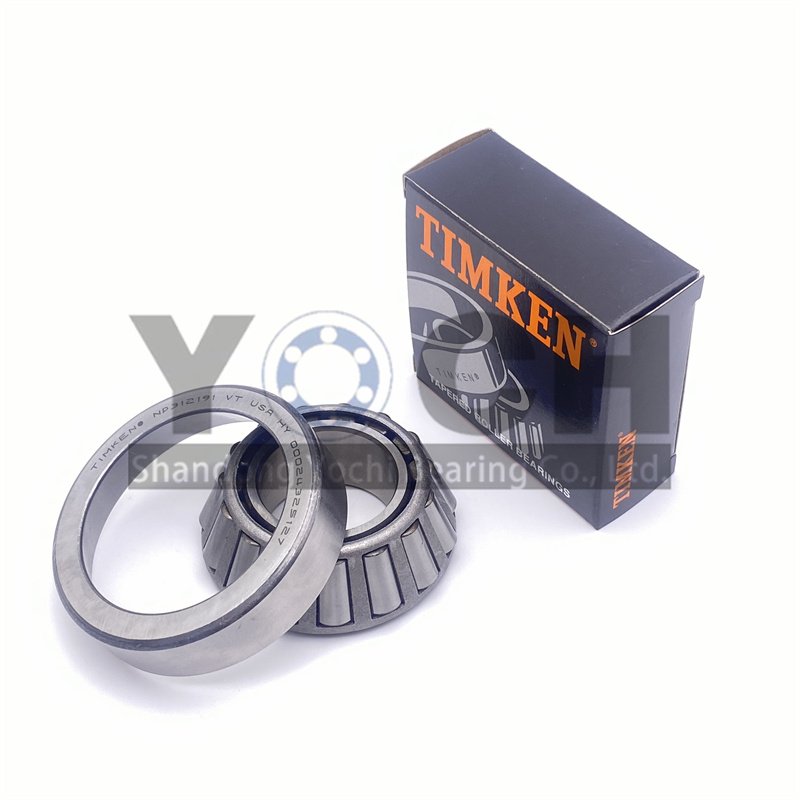
If this kind of bearing is used improperly, are there any precautions?
(1) Keep tapered roller bearings and their surroundings clean.
Even small dust that can't be seen by the eye will bring bad effects to the bearing. Therefore, keep the surrounding clean, so that the dust will not invade the bearing.
(2) Use with care and caution.
Strong impact on tapered roller bearings in use will produce scars and indentations, which will become the cause of accidents. In serious cases, there will be cracks, fracture, so must pay attention to.
(3) Use the appropriate operating tools.
Avoid replacing existing tools with the right ones.
(4) Pay attention to the corrosion of tapered roller bearings.
When operating bearings, sweat on the hands will become the cause of rust. Be careful to use clean hands, preferably wear gloves as much as possible.


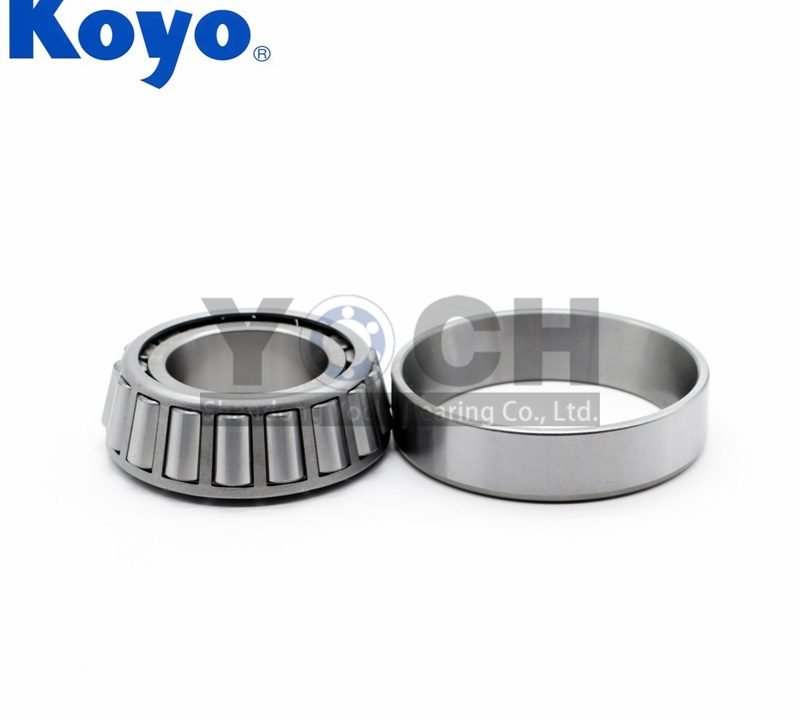
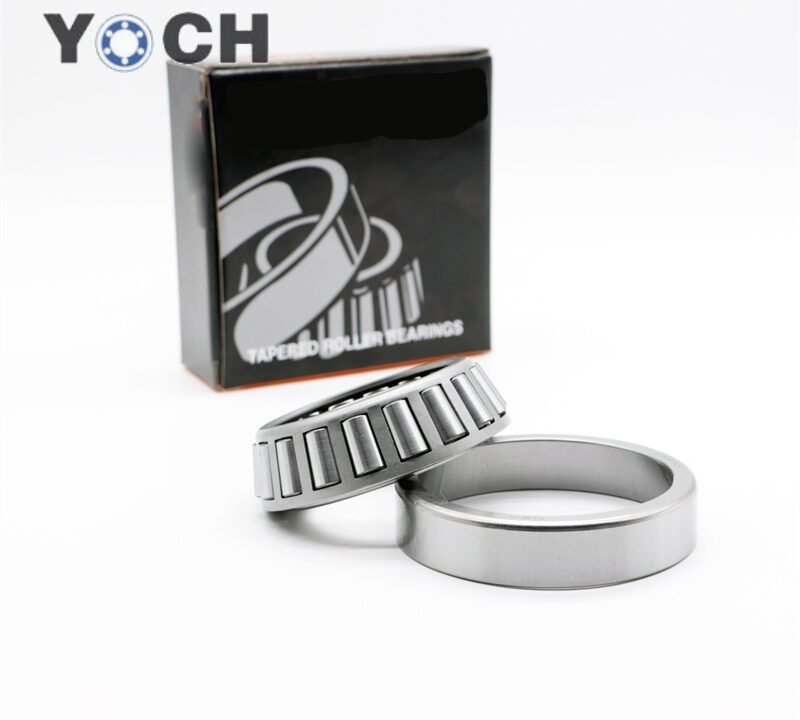
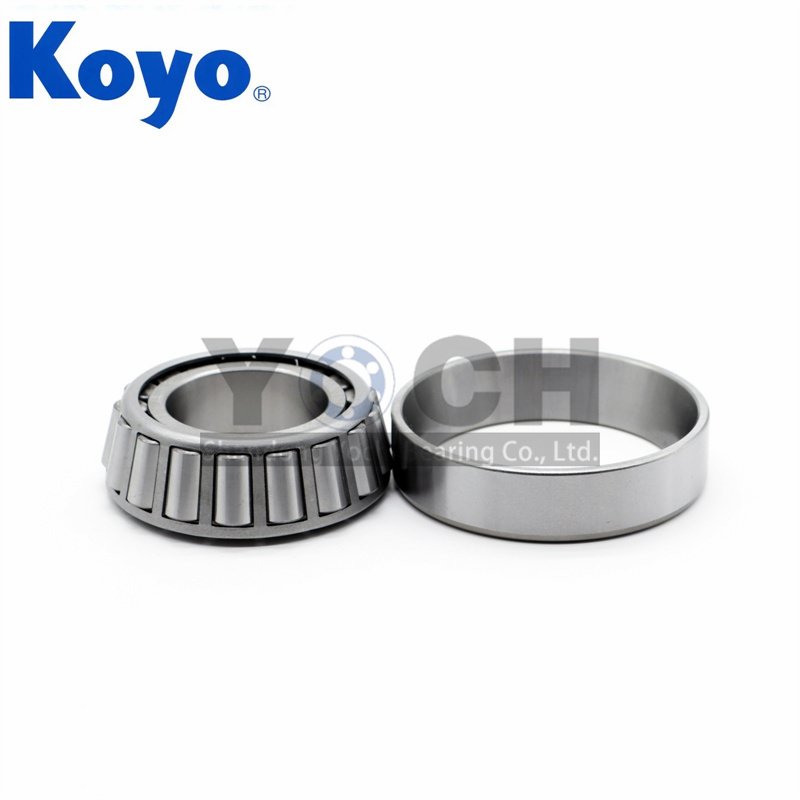
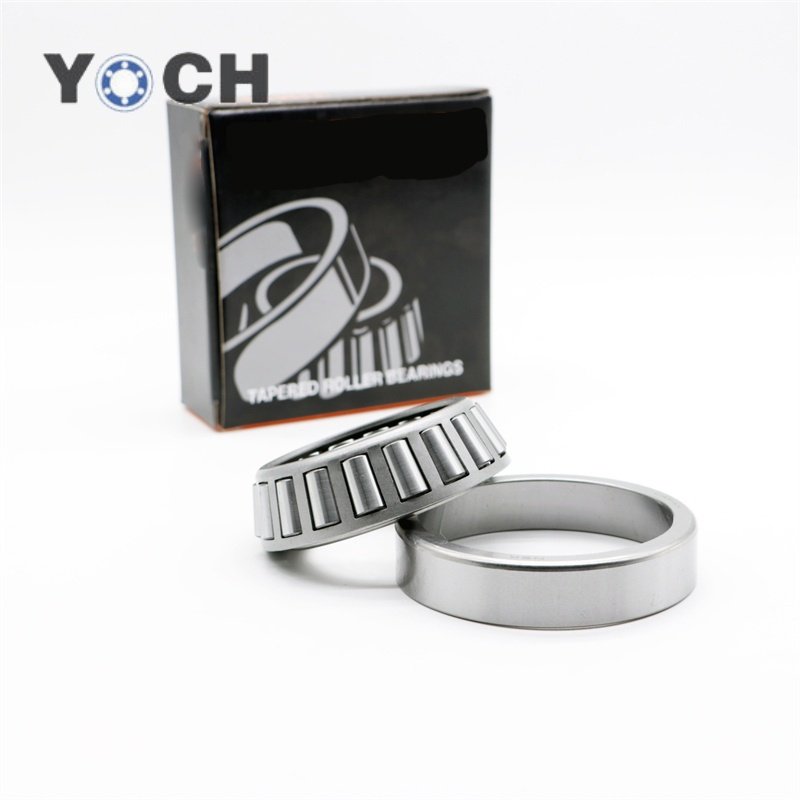
Single-row tapered roller bearing
A single-row tapered bearing is usually adequate for the most straightforward applications (e.g., angular forces on a fixed point and with only mild fluctuation). To find the right one, you'll need to determine whether the end-use of the tapered bearing will have more radial or axial loads. There are axial-only tapered roller bearings called thrust tapered bearings that resemble flat rings or disks where the rollers are perpendicular to the bearing bore axis. When multiple bearings are required, it could be advantageous to use two- or more single-row tapered bearings rather than multi-row bearings within a single housing. One such example is if one bearing will need to be maintained, adjusted, or replaced separately from the other. Another is when there is a need to allow for flexibility in design and add or subtract individual single-row tapered bearings, which is impossible with a multi-row tapered bearing.
What types of loads can tapered roller bearings handle?
The angled and tapered shape of tapered roller bearings minimizes the stress caused by a combination of radial and axial loads. Radial and axial loads often combine to create different loads upon a bearing assembly. The ability to handle angular loads and changing angular loads – makes tapered roller bearings indispensable to various technical designs and industries. The tapered shape essentially concentrates radial and axial loads into a unified load that is more easily harnessed. Which angular loads can be harnessed depends on the precise angle of the tapered bearing. They can harness a comprehensive range of forces by configuring two or even more tapered bearings.
The steepness of the roller bearing's gradient increases the thrust/axial load it can handle, while a shallow angle increases the radial load capacity. As the radial load increases, the bearing experiences more stress against the sides of the bearing raceways. A more shallow angle minimizes stress, reducing pressure on the rollers. Increased axial load contributes to the stress applied to the top of the rollers. A steeper angle will distribute the pressure more towards the center of the bearing and less onto the rollers themselves.
TIMKEN Factory Supploer HM813843/HM813810 Tapered Roller Bearing