


Bearing Composition
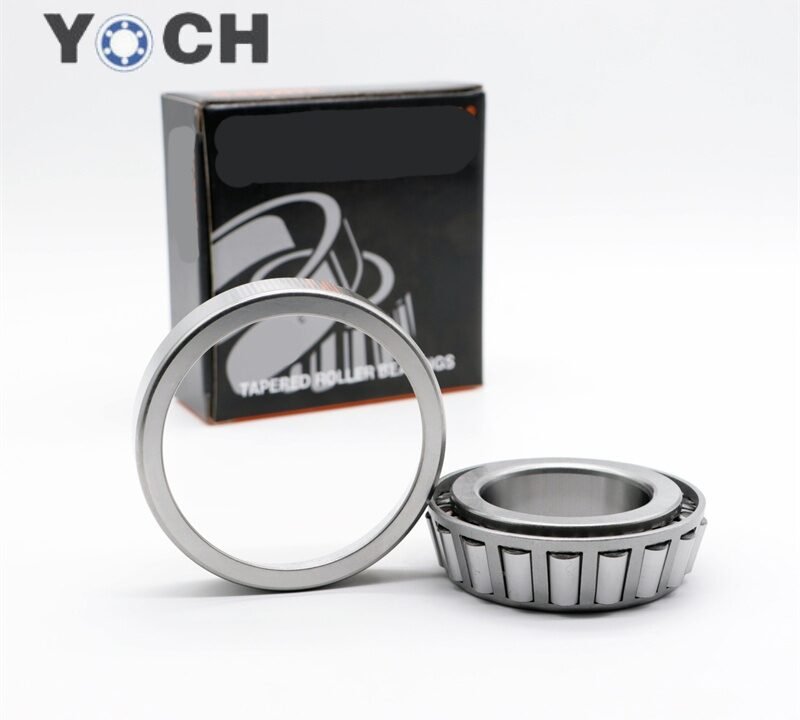
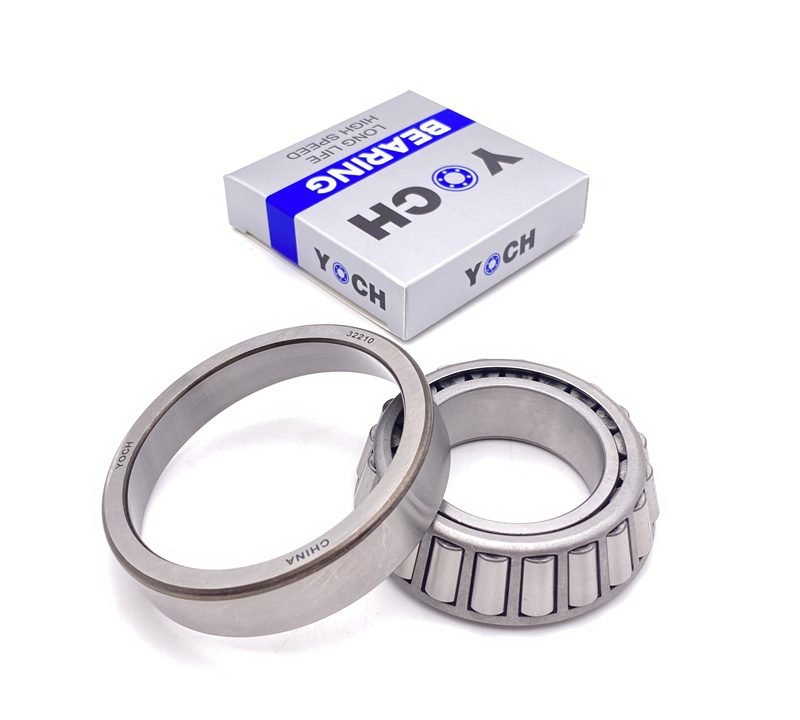
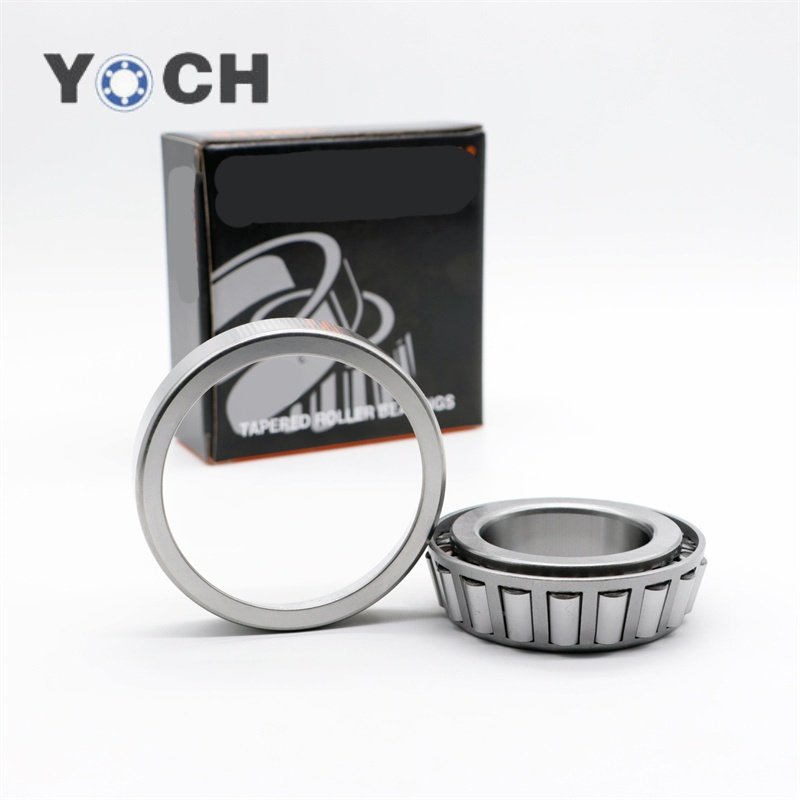
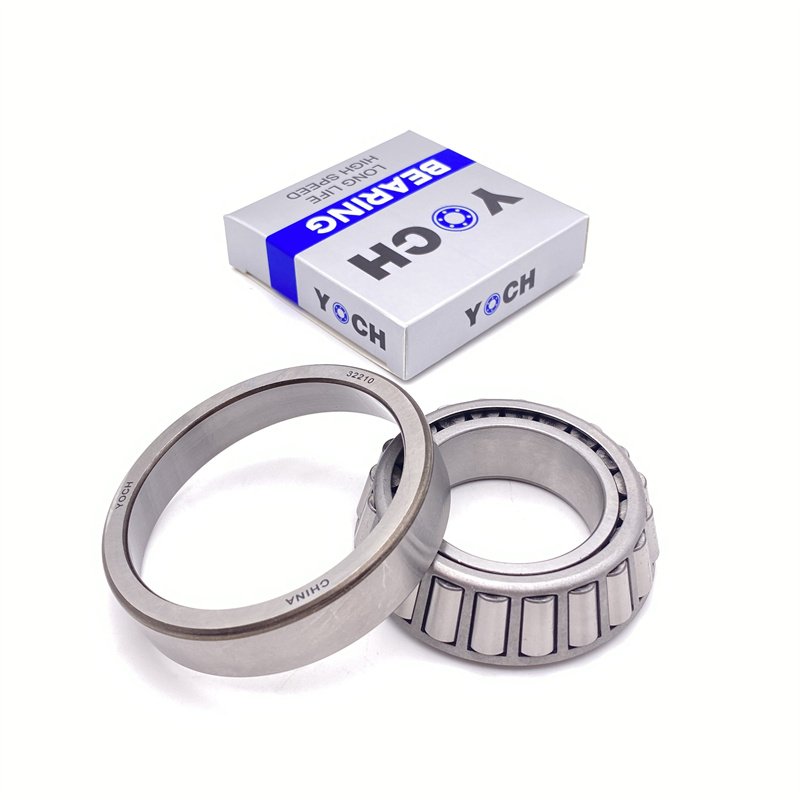
Tapered roller bearings are separated bearings, and the inner and outer rings of the bearings have tapered raceways. This kind of bearing is divided into single row, double row and four row tapered roller bearings and other different structural types according to the number of rows of rollers installed.
Single row tapered roller bearings can bear radial loads and single direction axial loads. When the bearing bears radial load, an axial component will be generated, so it needs another bearing that can bear the axial force in the opposite direction to balance it.
Structure:
This type of bearing is equipped with a round platform roller, the roller by the inner ring of the large rim.
Single row bearings can bear radial load and unidirectional axial load, and double row bearings can bear radial load and bidirectional axial load.Suitable for bearing heavy load and shock load.
According to the different contact Angle (α), it can be divided into three types: small cone Angle, middle cone Angle and large cone Angle. The larger the contact Angle is, the greater the axial load capacity is.
Outer ring and inner assembly (inner ring and roller and cage assembly) can be separated for easy assembly and disassembly.


What types of loads can tapered roller bearings handle?
The angled and tapered shape of tapered roller bearings minimizes the stress caused by a combination of radial and axial loads. Radial and axial loads often combine to create different loads upon a bearing assembly. The ability to handle angular loads and changing angular loads – makes tapered roller bearings indispensable to various technical designs and industries. The tapered shape essentially concentrates radial and axial loads into a unified load that is more easily harnessed. Which angular loads can be harnessed depends on the precise angle of the tapered bearing. They can harness a comprehensive range of forces by configuring two or even more tapered bearings.
The steepness of the roller bearing's gradient increases the thrust/axial load it can handle, while a shallow angle increases the radial load capacity. As the radial load increases, the bearing experiences more stress against the sides of the bearing raceways. A more shallow angle minimizes stress, reducing pressure on the rollers. Increased axial load contributes to the stress applied to the top of the rollers. A steeper angle will distribute the pressure more towards the center of the bearing and less onto the rollers themselves.
TIMKEN Original Brand 48685/48620D Tapered Roller Bearing