- Welcome to YOCH Bearing!
- 0086-531-85866205
- 0086-16653196205
- market@yochibearing.com

Bearing Selection and Preparation
Reasons and Importance Why SKF Imported Bearings Cannot Work Under Long-Term Load
10/03/2026Four Critical Points for Improving Angular Contact Ball Bearing Operating Accuracy
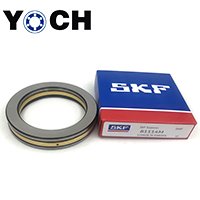
16/03/2026Before installing an SKF thrust bearing, proper selection and preparation are essential. Choose the correct bearing type based on load capacity, speed requirements, and operating conditions. Inspect the bearing for any visible damage, corrosion, or contamination. Clean all components thoroughly using appropriate solvents and ensure the bearing is free from dust, moisture, and foreign particles. Verify that the bearing part number matches your application requirements and check the manufacturing date to avoid using aged bearings.
Bearing Housing and Shaft Preparation
The mounting surfaces for the SKF thrust bearing must meet strict tolerances. Clean the housing bore and shaft thoroughly, removing any burrs, nicks, or rust. Measure the dimensions carefully using precision instruments to ensure proper fit. The shaft shoulder and housing shoulder should provide adequate support for the bearing rings. Apply a thin layer of compatible lubricant to the mounting surfaces to prevent galling and facilitate installation.
Bearing Installation Methods
SKF thrust bearings require specific installation techniques depending on their design. For cylindrical bore bearings, use mechanical presses or heating methods. Induction heaters are recommended for medium and large bearings, heating the bearing uniformly to 80-100°C above ambient temperature. Never heat bearings beyond 120°C as this may alter the material properties. For tapered bore bearings, use hydraulic mounting methods or oil injection techniques. Always apply force to the ring being mounted, never through the rolling elements.
Bearing Clearance and Preload Adjustment
Proper clearance or preload is critical for SKF thrust bearing performance. After mounting, verify the internal clearance using feeler gauges or dial indicators. Excessive clearance causes vibration and reduced load capacity, while insufficient clearance leads to overheating and premature failure. For applications requiring preload, follow SKF specifications carefully. Use calibrated tools and measure axial displacement accurately during the adjustment process.
Bearing Lubrication Requirements
Correct lubrication ensures long service life for SKF thrust bearings. Select lubricants based on operating speed, temperature, and load conditions. Grease lubrication is suitable for most applications, with the quantity filling approximately 30-50% of the free housing space. For oil lubrication, maintain proper oil levels and ensure clean oil supply. Apply initial lubrication before startup and establish regular relubrication intervals based on operating conditions.
Bearing Inspection and Testing
After installation, perform thorough inspection of the SKF thrust bearing assembly. Rotate the shaft manually to check for smooth operation without binding or unusual noise. Verify that all fasteners are tightened to specified torque values. Conduct a test run at reduced speed, monitoring temperature and vibration levels. Gradually increase to operating speed while observing performance indicators. Document all measurements and observations for maintenance records.
Bearing Maintenance Best Practices
Establish a preventive maintenance program for SKF thrust bearings. Schedule regular inspections to monitor wear patterns, lubricant condition, and operating temperatures. Keep detailed records of installation dates, operating hours, and maintenance activities. Train maintenance personnel on proper handling and installation procedures. Use genuine SKF replacement parts and recommended tools to ensure optimal performance and reliability throughout the bearing service life.
We are a bearing supplier from China. If you want to learn more about other bearing knowledge, you can watch our YouTube or contact us.