Radio-controlled car manufacturers use the same basic design Schumacher created in the 1980s. The main part of the differential is a drive gear (or pulley in a belt transmission) with multiple holes cut through it, following its outside diameter. These holes are slightly larger than the width of the ball bearings, so that the balls, commonly around 2 mm diameter in a model car, sit inside the holes of the gear/pulley.
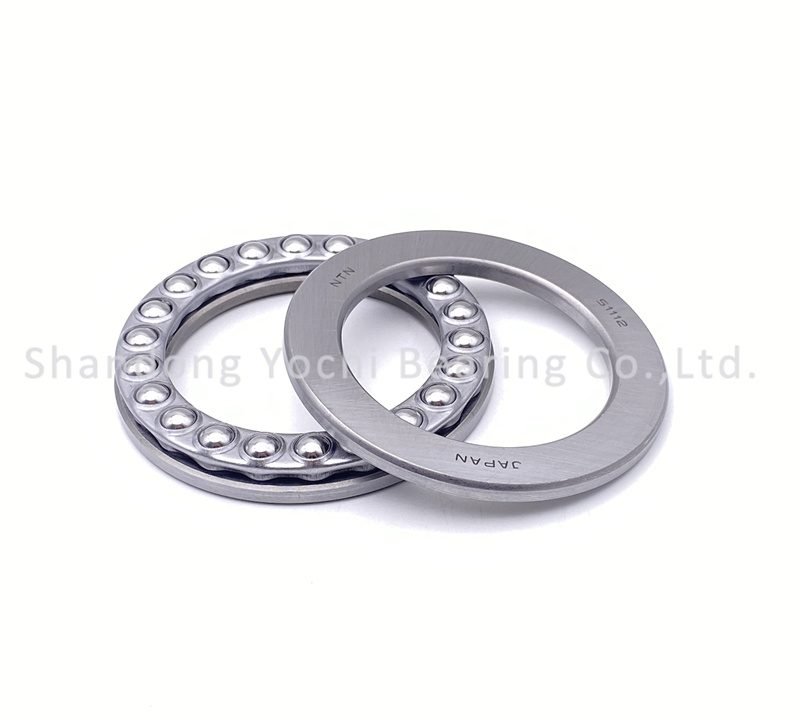
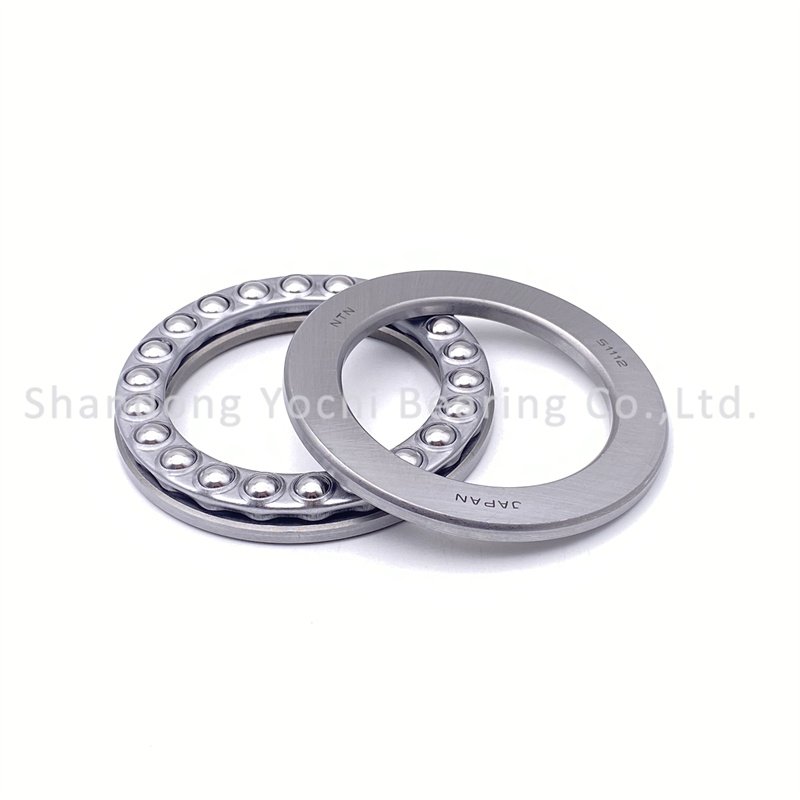
On either side of the gear are the thrust washers. The thrust washers are pushed against the ball bearings inside the gear by Belleville washers. On one side of the gear is an adjusting collar, which allows for adjustments in the amount of slip allowed by the differential.A thrust bearing (or thrust race), on the opposite side of the gear, is used to stop the differential from loosening the retaining screw holding the output cups, used to attach the differential to the axle, onto the differential.
As the screw is tightened it pushes the Belleville and thrust washers onto the gear/pulley. This creates contact between the washers and ball bearings inside of the gear/pulley. The friction created by the contact between the washers and ball bearings is, aided by grease (commonly silicone grease), designed so that as one washer moves, the ball bearings rotate.
As the washer on one side of the gear rotates, the rotation of the balls causes the other washer to rotate in the opposite direction, because any rotating ball will have opposite sides moving in opposite directions .
Differential movement is achieved through the process of the thrust washers rotating with the ball bearings. The retaining screw is designed so the differential can be easily adjusted by tightening or loosening the screw, consequently changing force. This makes the differential more adjustable than geared differentials, but there is a lower limit since the drive is by friction so there is always some limited slip action.
There are several types of balls used in this type of differential. Some of the most common ball materials used by high end racers are ceramic and tungsten based. The advantage to something like ceramic based balls is that they are much harder, and have a longer life expectancy. Oftentimes when using less hard materials, the balls will "flat spot" causing a semi locked direction of the ball. This causes the differential to not turn with a smooth feeling and leaves it with an overall "gritty" feeling.