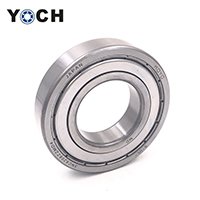
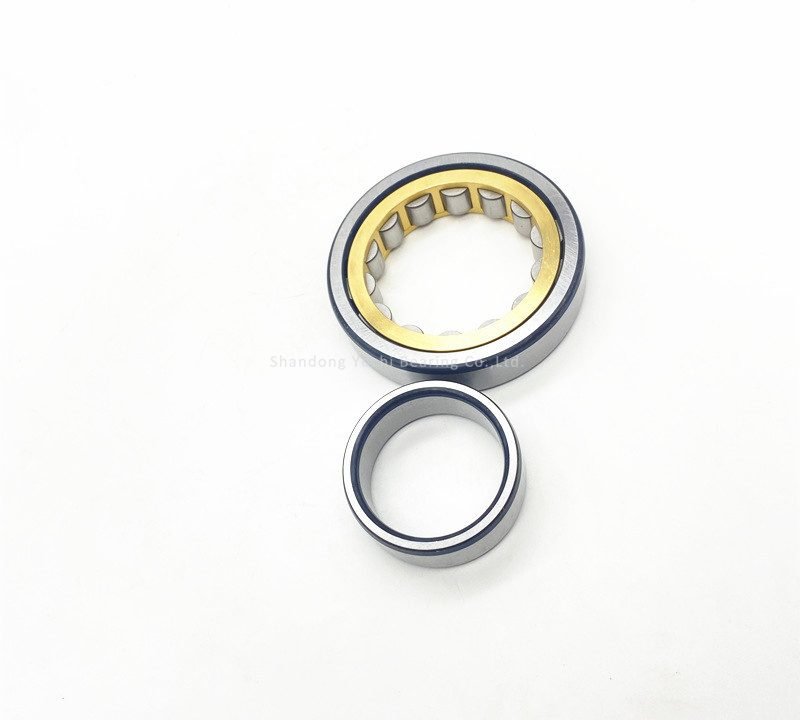
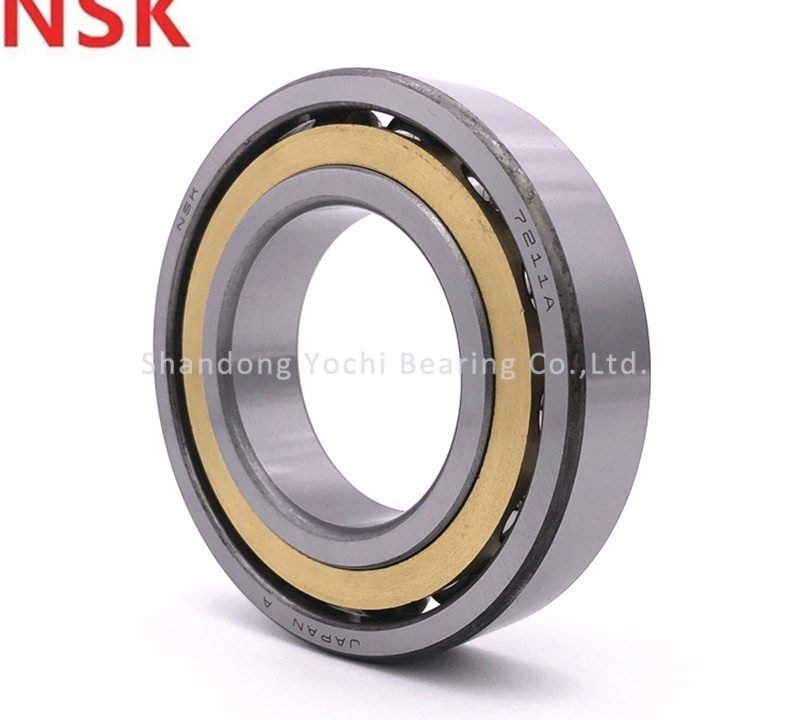
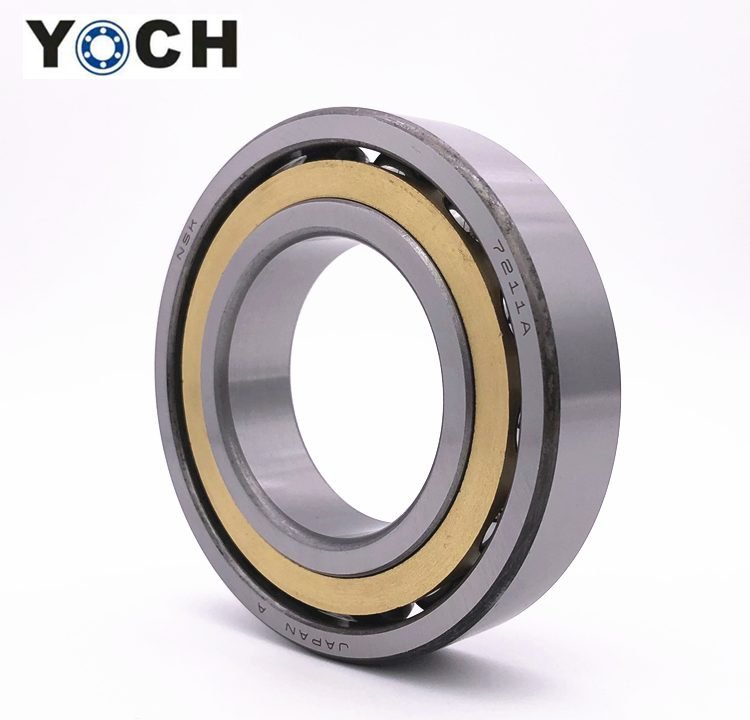
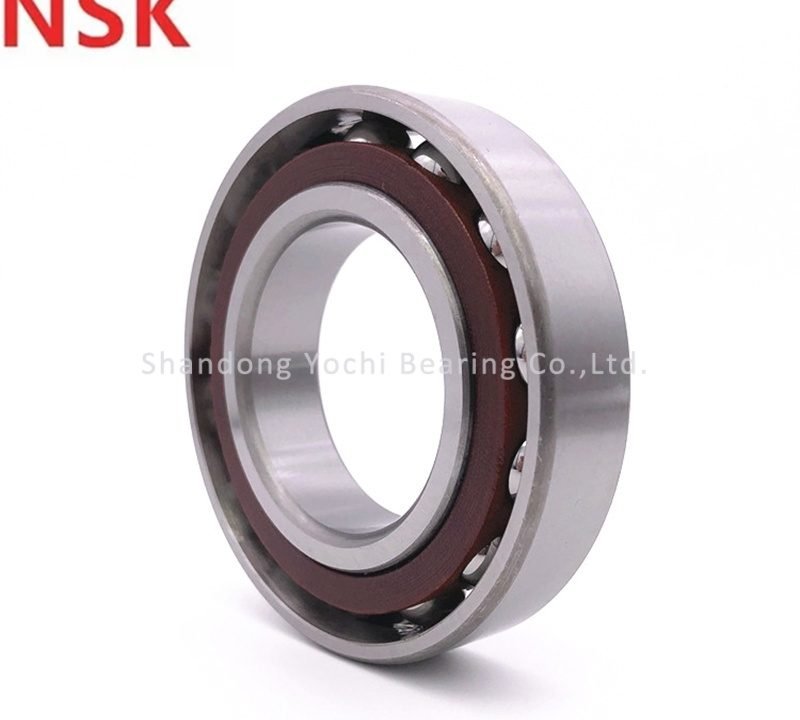
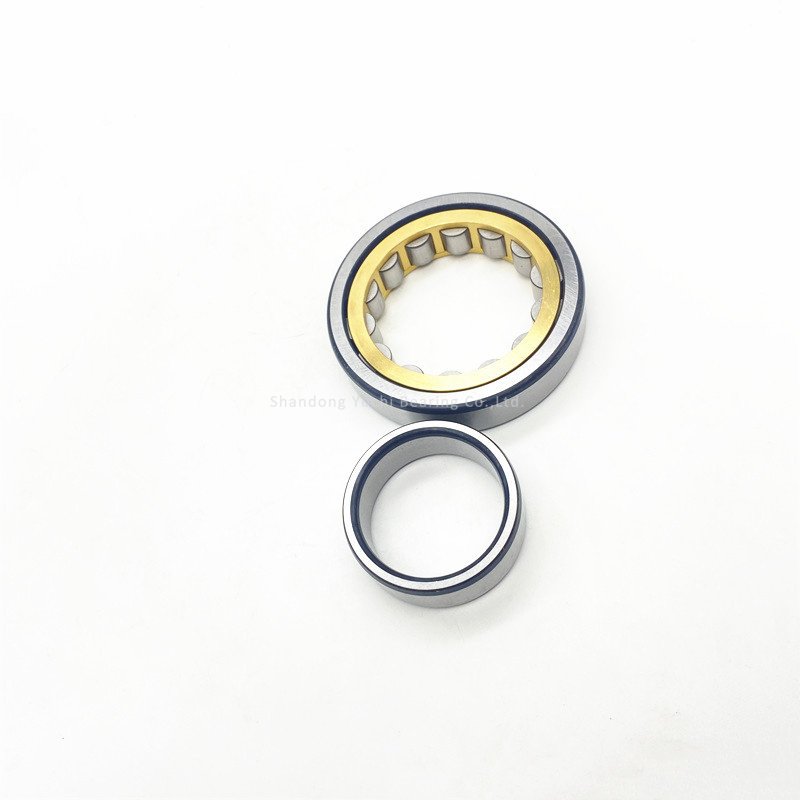
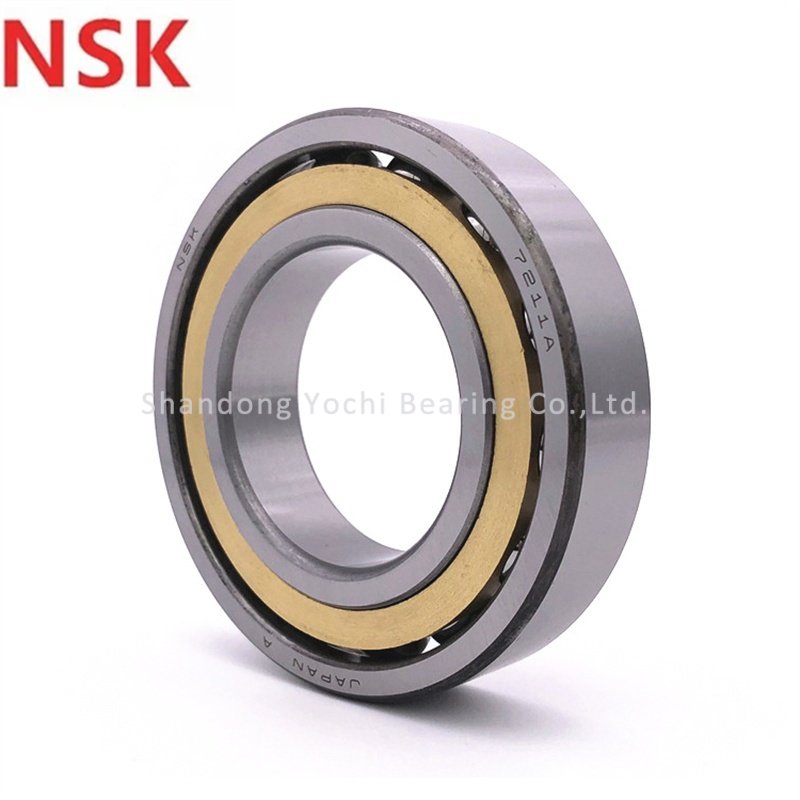
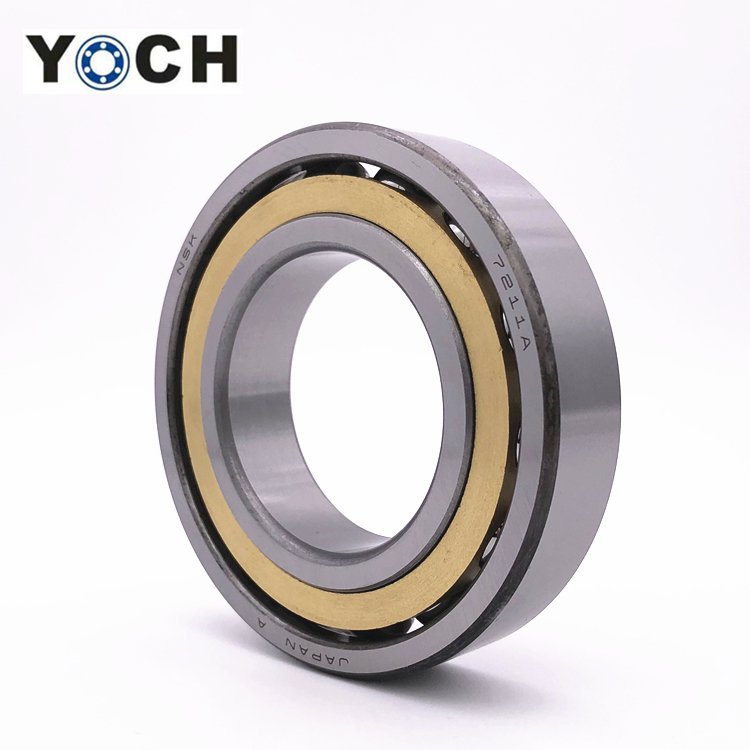
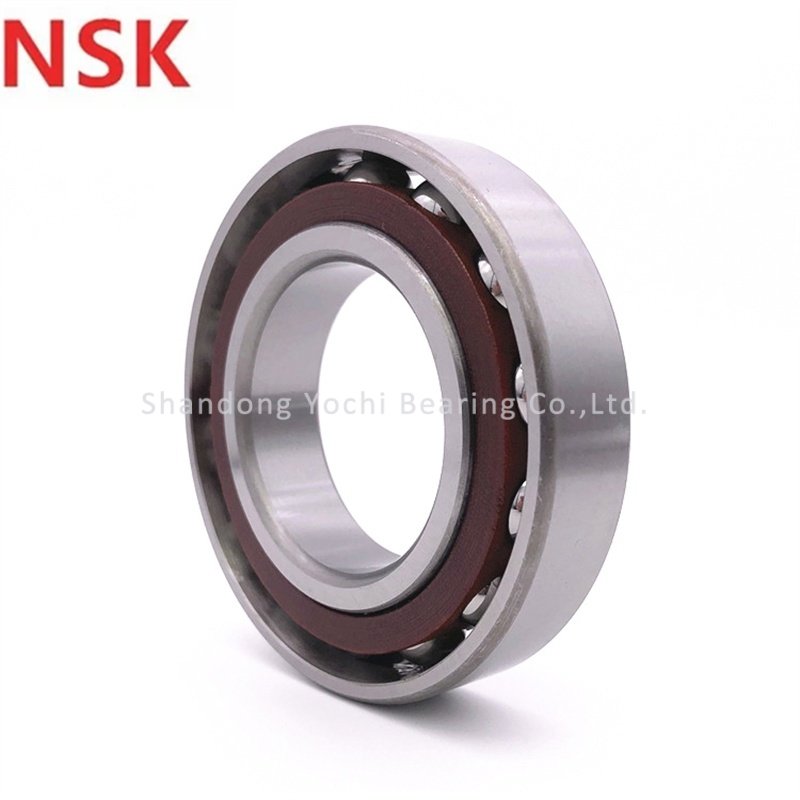
The differential bearing is a double-row angular contact ball bearing with solid inner- and outer rings. The design of this bearing type resembles two single-row angular contact ball bearings in O-arrangement but is slightly narrower. Double-row angular contact ball bearings can support high radial forces and axial forces in both directions. The greater the contact angle, the greater the axial load capacity of the bearing.
The differential bearing has a split inner ring. This bearing type combines a large number of balls with a large contact angle. This design makes the bearing suitable for higher axial loads in both directions. Bearings with split inner rings generally have a tighter fit than bearings with single-piece inner rings.
How are differential bearings lubricated?
The differential gears are lubricated by “differential gear oil” which is quite different from motor oil or transmission oil. It is typically a much thicker lubricant. The oil is transferred to the outer wheel bearings in many vehicles only by the splash effect of the spinning gear set.
What causes differential bearing failure?
The leading cause of a differential failing is due to using the wrong lubricant type and specialty lubricants. Water can also be a culprit to a differential failing as it can enter through the vent or seals. This often happens when driving in high water.
How do I know if my differential carrier bearing is bad?
The first sign of a bad carrier bearing is the howling noise it makes. It sounds similar to loud tire noise. It should be apparent to anybody riding in the cab because the drive shaft and carrier bearing run just under the thin floorboards. You may hear the howling only at certain speeds too.
The differential gear is a device that converts the driving force from the transmission into even greater driving force and allows for different numbers of rotations for the left and right wheels.
The differential allows wheels on the same axle to rotate at different speeds. When your vehicle goes around a corner the wheel on the outside has to travel faster than the wheel on the inside. The differential allows this to happen. Two wheel drive vehicles have one axle and four wheel drive vehicles have two.