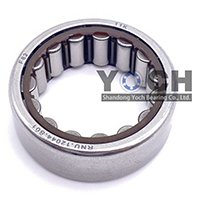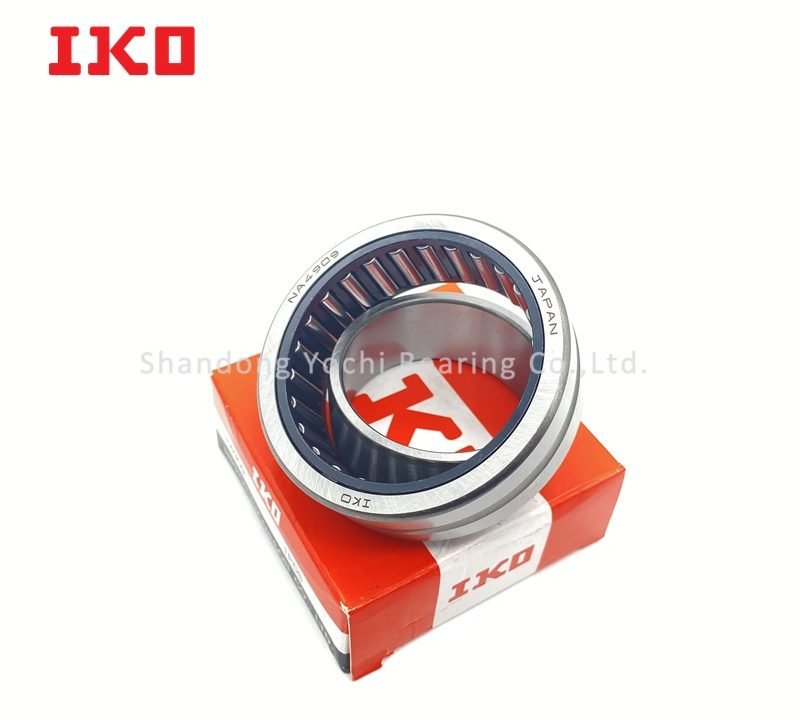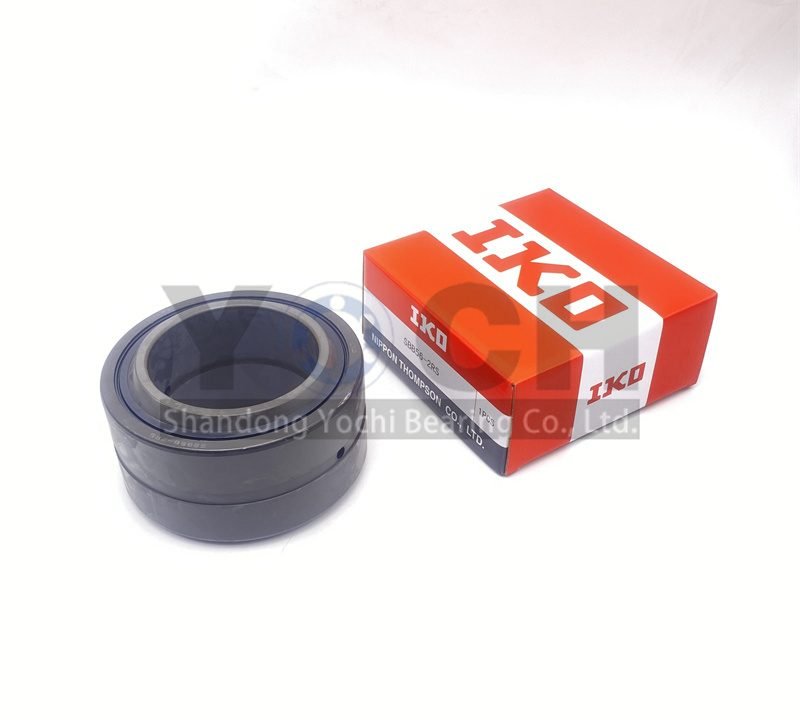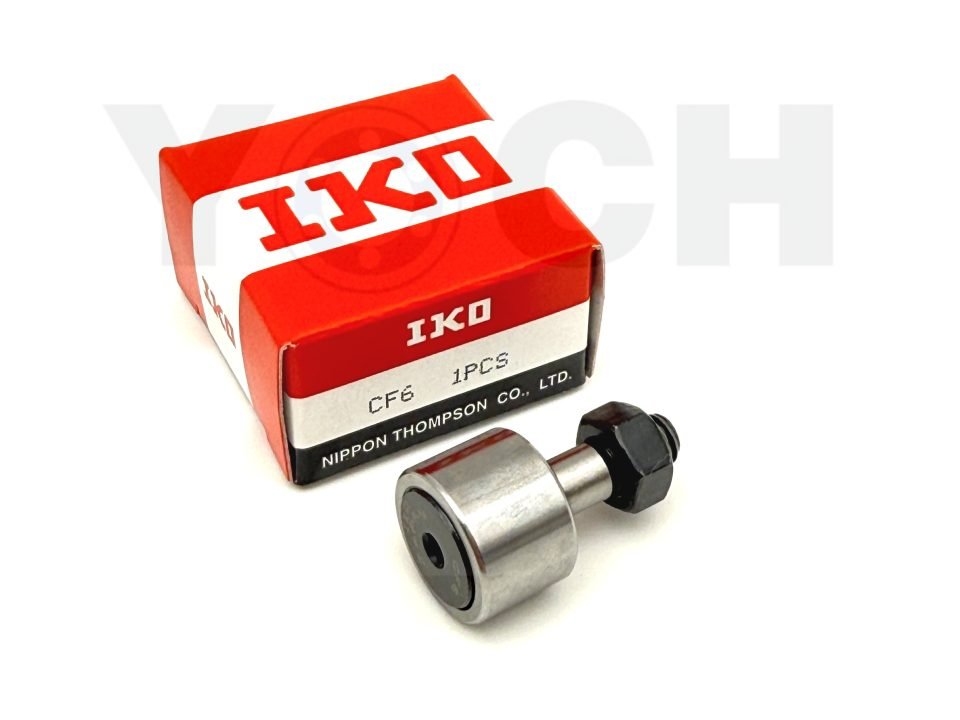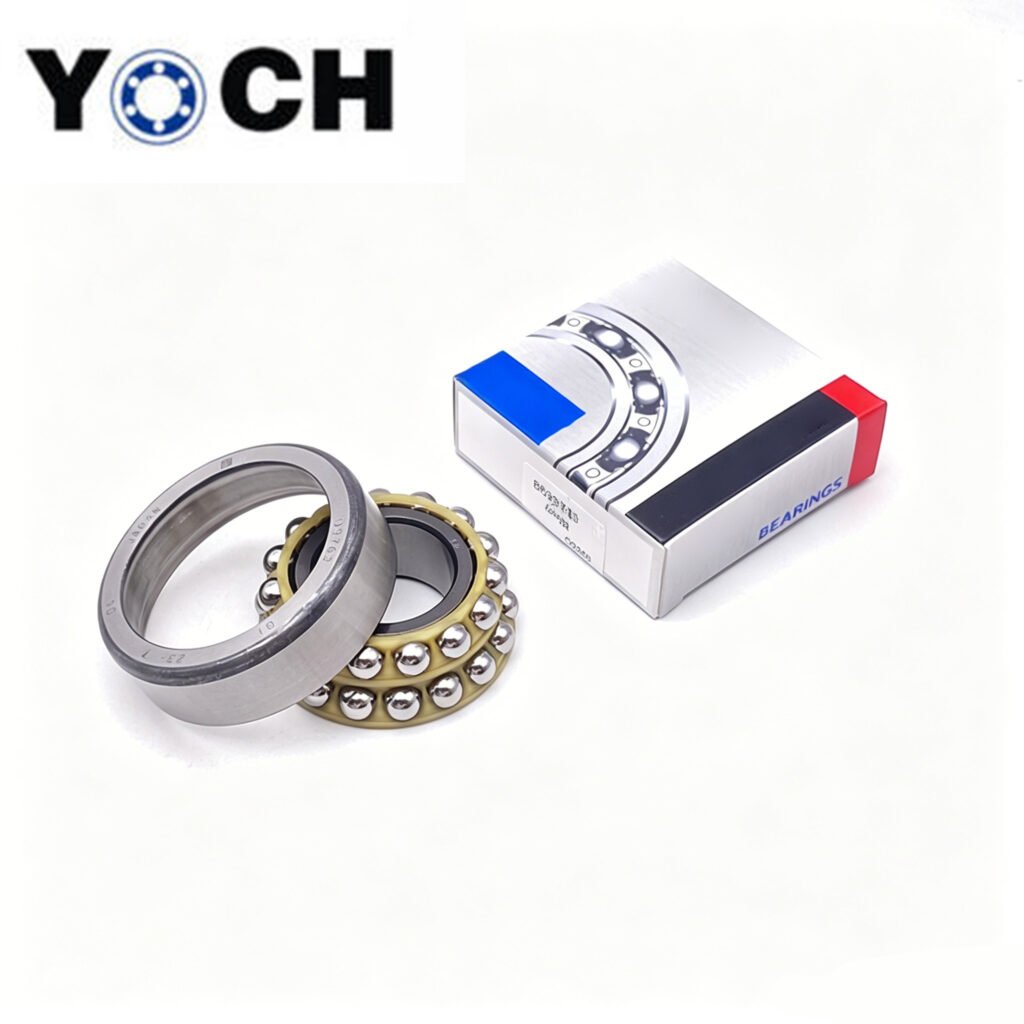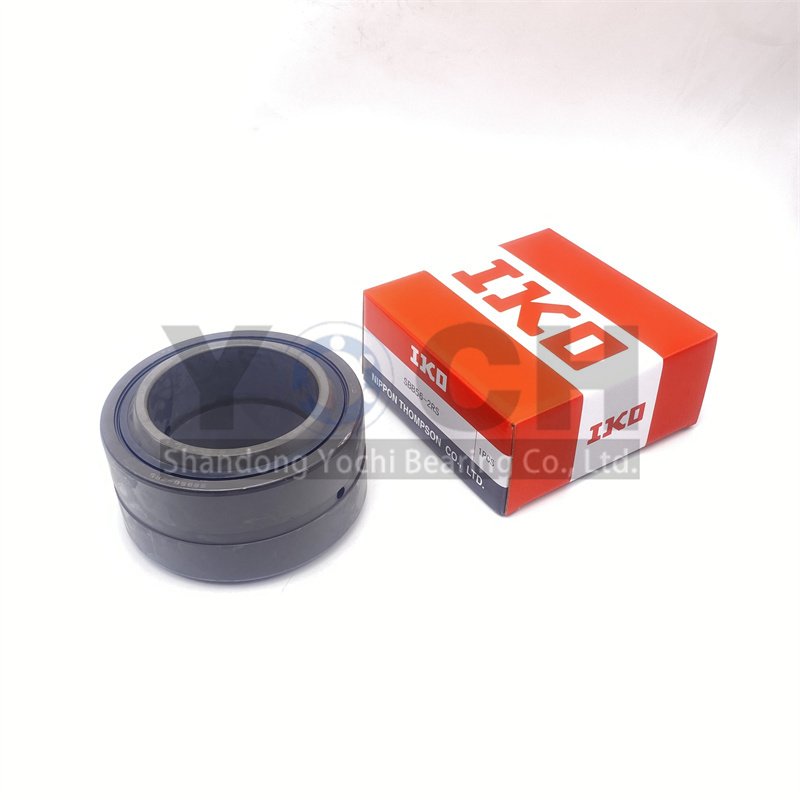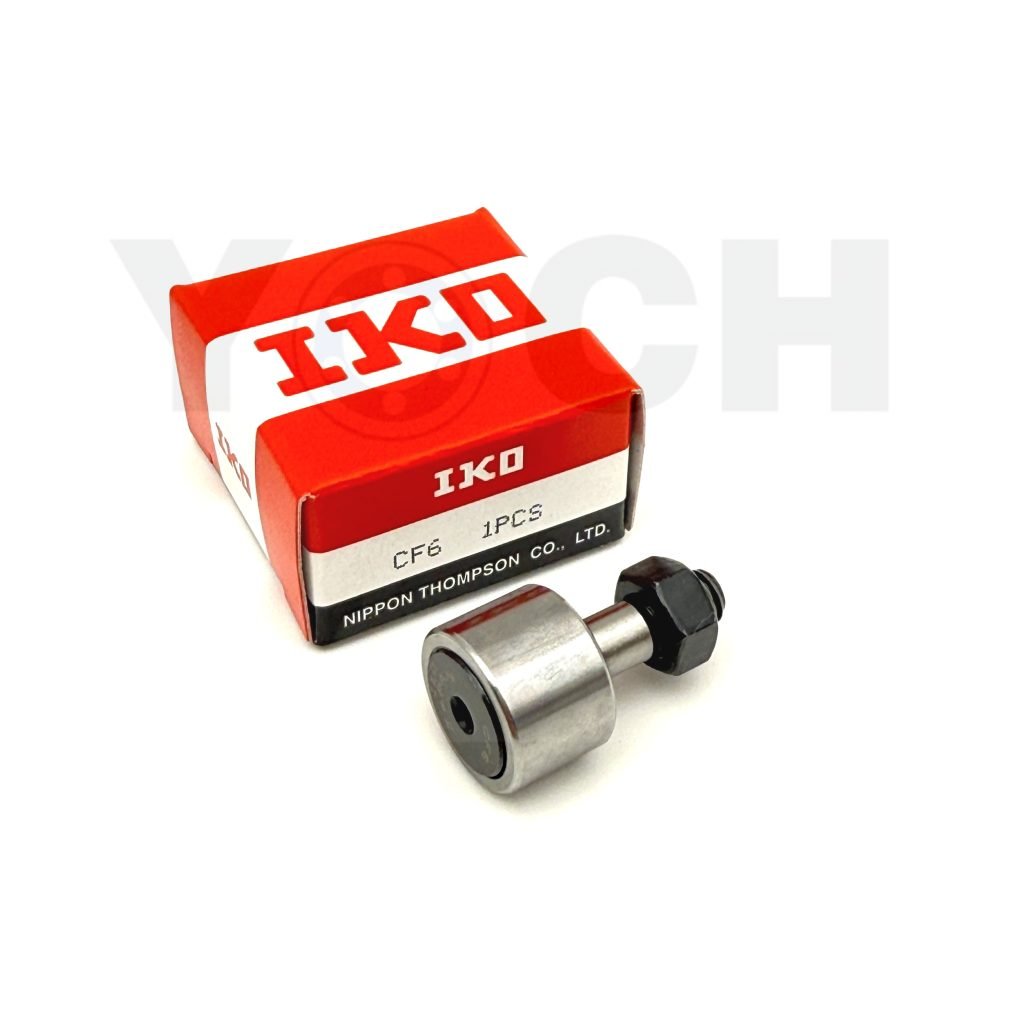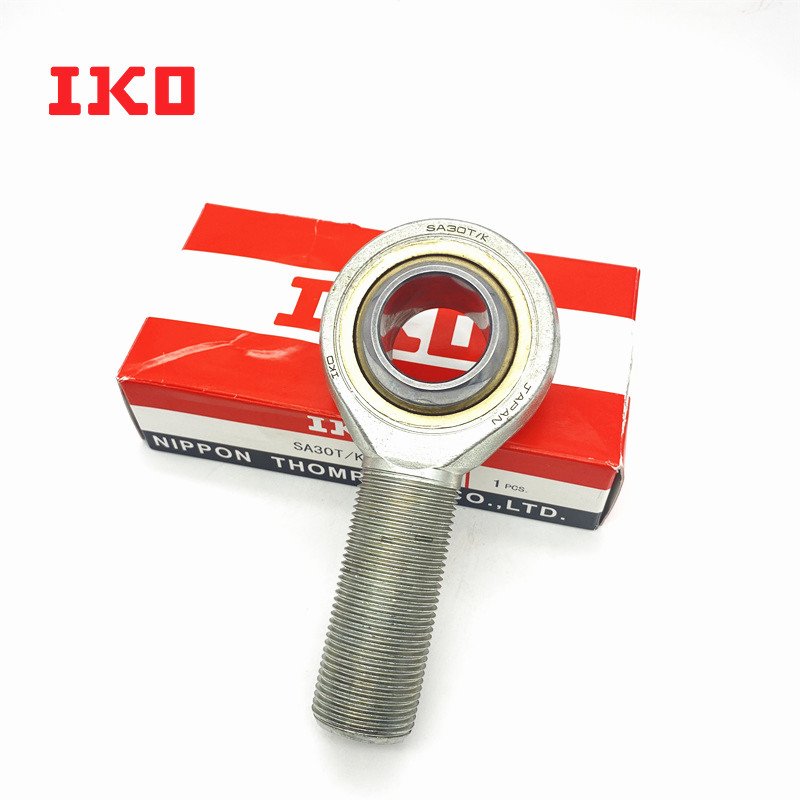
Rod-end joint bearings are mainly composed of an inner ring with an outer sphere and an outer ring with an inner sphere, which can bear large loads.
According to the different types and structures of rod end joint bearings, they can bear radial load, axial load or radial and axial combined load.
Specification
Rod-end joint bearings are generally used for swing motion with low speed and can also be used for inclined motion within a certain range of angles. According to its different types and structures, it can bear radial load, axial load or radial and axial load.
Rod end joint bearings are widely used in engineering hydraulic cylinders, forging machine tools, construction machinery, automation equipment, automotive shock absorbers, hydraulic machinery and other industries.
SI... Type E is GE... E-bearing and rod end assembly. Rod end with internal thread
The SA... Type E is GE... E-bearing and rod end assembly. Rod end with external thread
SI... Type ES is GE... ES bearing and rod end assembly. Rod end with internal thread
The SA... Type ES is GE... ES bearing and rod end assembly. Rod end with external thread
The SIB... S-shaped rod end with internal thread, the material is carbon structural steel
SAB... S-shaped rod end with external thread, the material is carbon structural steel
SQ... Type I is spherical rod end joint bearing, rod end is carbon structural steel
News
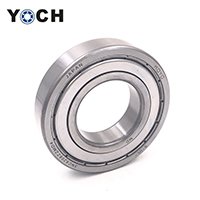
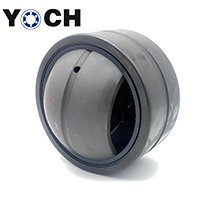

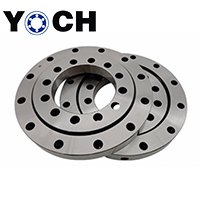
FAQ
1How many regular maintenance methods are there for rod end joint bearing maintenance?
In order to ensure the normal operation of the main engine, according to the request of the main engine and the design theory and application experience of the bearing, a maintenance cycle is set for regular maintenance.
Fault maintenance: When the bearing is faulty, stop the machine for inspection and maintenance.
Early warning maintenance: The application of advanced bearing fault diagnosis technology, stop real-time monitoring of the service state of bearings, put forward a warning before the occurrence of bearing faults, and stop maintenance. In the operation process of bearings, there must be sound, temperature and vibration phenomena. Therefore, as for the stop maintenance of bearings in operation, the abnormal changes of bearings can be found by listening, touching, viewing and using bearing fault diagnosis instruments, and the rod end joint bearings can be judged whether they are in normal working state according to the changing state.
2What is the ultimate axial bearing capacity of the bearing?
1. If the bearing is under simple axial load, the axial load should not exceed the value of 0, 5C0. .
2, small bearings (inner diameter of about 12 mm) and light series bearings (diameter series 8, 9, 0 and 1) should not bear more than 0, 25C0 axial load.
3. Excessive axial load will greatly shorten the service life of bearings.
4. If the bearing bears a certain radial load, can it also bear the ultimate axial load? Usually if the bearing can bear radial load, it can also bear a certain axial load.
3How many manifestations do the failure phenomena of rod-end joint bearings have?
1. Bearing temperature is too high: when the mechanism is running, the installation part of the bearing is allowed to have a certain temperature. When you touch the shell of the mechanism with your hand, it should be normal to not feel hot, otherwise it indicates that the bearing temperature is too high.
2 bearing noise: the bearing is allowed to have a slight running sound in the work, if the noise is too large or there is abnormal noise or crash, it indicates that the bearing is faulty.