- Welcome to YOCH Bearing!
- 0086-531-85866205
- 0086-16653196205
- market@yochibearing.com

Storage Time Guidelines for Sealed Bearings: Maximizing Performance and Reliability
TIMKEN Cylindrical Roller Bearing Installation Methods: A Complete Technical Guide
02/03/2026Reasons and Importance Why SKF Imported Bearings Cannot Work Under Long-Term Load
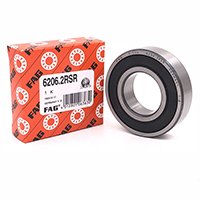
10/03/2026Proper storage of sealed bearings is critical to maintaining their operational integrity and extending service life. Unlike open bearings that rely on external lubrication systems, sealed bearings come pre-lubricated from the factory, making their storage requirements uniquely dependent on the condition of the internal grease. Understanding the maximum storage intervals and optimal environmental conditions ensures that your bearing inventory remains ready for immediate deployment without compromising performance.
Why Bearing Storage Time Matters for Sealed Units
The maximum storage interval for sealed bearings is dictated by the lubricant inside the bearings rather than corrosion protection alone. Lubricant deterioration occurs over time due to aging, condensation, and separation of the oil and thickener components. This chemical degradation process can render the pre-installed grease ineffective, potentially leading to premature bearing failure if installed after extended storage periods.Industry standards generally recommend that sealed bearings should not be stored for more than three years from the manufacturing date when kept in original packaging under ideal conditions. However, some manufacturers specify different timeframes based on grease type—certain premium greases may extend shelf life to five years, while others may require usage within two years.
Optimal Storage Conditions for Extended Bearing Life
To maximize the service life of sealed bearings during storage, maintain these environmental parameters:
- Temperature: Store bearings in a cool, steady environment between 20°C and 25°C (68°F to 77°F)
- Humidity Control: Limit relative humidity according to temperature—75% at 20°C, 60% at 22°C, or 50% at 25°C
- Positioning: Store bearings flat in a vibration-free area, protected from direct sunlight and UV radiation
- Packaging Integrity: Keep bearings in original unopened packages until immediately prior to mounting to prevent contaminant ingress and corrosion
Bearing Inventory Management: First-In-First-Out Principle
Implementing a “first in, first out” (FIFO) inventory policy is essential for sealed bearing management. This practice ensures that older stock is utilized before newer inventory, minimizing the risk of grease degradation. Label all bearings with manufacturing dates and storage entry dates, and conduct annual inspections of bearings approaching their storage time limits.
Bearing Shelf Life Variations by Seal Type
Different seal configurations affect storage duration:
- Double sealed bearings (rubber/contact seals): Maximum 3 years storage time due to grease deterioration risks
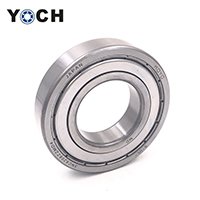
- Double shielded bearings (metallic shields): Maximum 2 years storage time as metal shields provide less protection against grease aging
- Open bearings with preservative coating: Up to 5 years when properly packaged, as they rely on corrosion inhibitors rather than internal lubricant stability
Post-Storage Bearing Inspection Protocol
Bearings that have exceeded recommended storage intervals require careful evaluation before installation. While small sealed bearings cannot be practically cleaned and re-greased without seal damage risks, larger bearings with circlip-retained seals may be refurbished. For critical applications, contact the bearing manufacturer for inspection services or rework options.
Conclusion: Understanding and adhering to sealed bearing storage time limits—typically three years maximum under optimal conditions—protects your investment and ensures reliable machinery performance. By maintaining proper environmental controls and implementing FIFO inventory practices, you can prevent lubricant degradation and extend the operational readiness of your bearing stock.
Key Takeaway: Always prioritize using sealed bearings within their recommended storage timeframe. When in doubt regarding bearing condition after extended storage, consult the manufacturer rather than risking equipment failure from compromised lubrication.
We are a bearing supplier from China. If you want to learn more about other bearing knowledge, you can watch our YouTube or contact us.