- Welcome to YOCH Bearing!
- 0086-531-85866205
- 0086-16653196205
- market@yochibearing.com

Why Do Wheel Bearings to Go Bad?
When to Clean and Repack Wheel Bearings
19/11/2021what are skateboard bearings
23/11/2021All vehicles with wheels are bound to have wheel bearings. Not only will you find them on the wheels of cars, but also on the wheels of bicycles, wheelbarrows, and even airplanes.
Wheel bearings are basically a group of balls which are attached to a metal ring. These components are located inside of the wheel hub. In case you don’t know, the wheel hub is the hollow metal area in the middle of the wheel. Each wheel is bolted onto a wheel hub.
As the wheels spin while you are driving the vehicle, the wheel bearings will help keep the wheels spinning. This reduces the friction and creates a much smoother driving experience.
What is a Wheel Bearing?
A wheel bearing is a set of steel balls connected by a metal ring. It sits tightly in the middle of the hub. Wheel bearings require grease to lubricate them, with a seal keeping the grease in the bearing. The seal also acts as a barrier against dirt and debris that can cause corrosion. The seal is essential to the durability of the wheel bearing.
Wheel bearings allow the wheel to spin rapidly without too much friction. They also carry the weight of the car, which can be over 4,000 pounds.
A good wheel bearing made of high quality steel should last 100,000 miles or more, if you take care of it and your car in general.
Top 5 Reasons You Have Noisy or Bad Wheel Bearings
Like any other moving component in a vehicle, wheel bearings get a little bit worn whenever you drive your vehicle. Since your wheels are rotating with a lot of weight on top of them, it puts a lot of stress on the wheel bearings. It may eventually get to the point where your wheel bearings become too worn out.
Symptoms of bad wheel bearings can vary but you will often notice some unusual noises coming from them. This is a sign that they are damaged and need to be replaced right away. If you fail to do this promptly, it could have more severe consequences while driving.
Of course, wheel bearings don’t always go bad on their own. They can have a little help from various incidents that could arise. These are things that could prematurely damage your wheel bearings before old age strikes them.
Here are five of the most common causes of damaged and noisy wheel bearings.
1) Flooded Streets

Wheel bearings have a tough time dealing with water. If you are driving on a flooded street, the seals won’t be able to prevent water from entering into your bearings. The reason this causes damage to the bearings is due to the lubricant.
All wheel bearings have already been lubricated by the manufacturer. This is usually a petroleum-based lubricant which doesn’t mix well with water. If your wheel bearings are exposed to water like this, then you will need to replace the bearings. They won’t be able to get repaired.
2) Uneven Roads
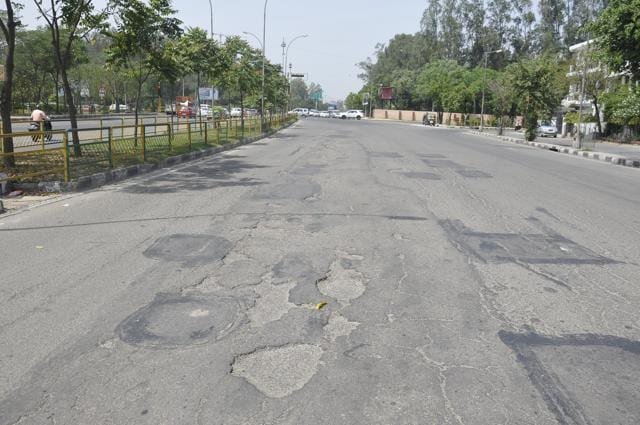
There is a lot of pressure put on your wheel bearings as you drive. The more often that you drive over uneven roads and terrain, the more worn and damaged your wheel bearings are going to become.
Eventually, the steel balls of the bearings will develop small damaged areas and other imperfections which will limit their ability to reduce friction for the wheels. Once that happens, replacing your wheel bearings is necessary.
3) Tires Not Balanced

Part of any good car maintenance routine is to get your tires balanced. Otherwise, certain wheel bearings will endure more pressure and stress than other wheel bearings of the car. This will cause them to wear out faster and become noisy and damaged. You need to keep your wheels balanced to avoid this from happening.
4) Car Accident
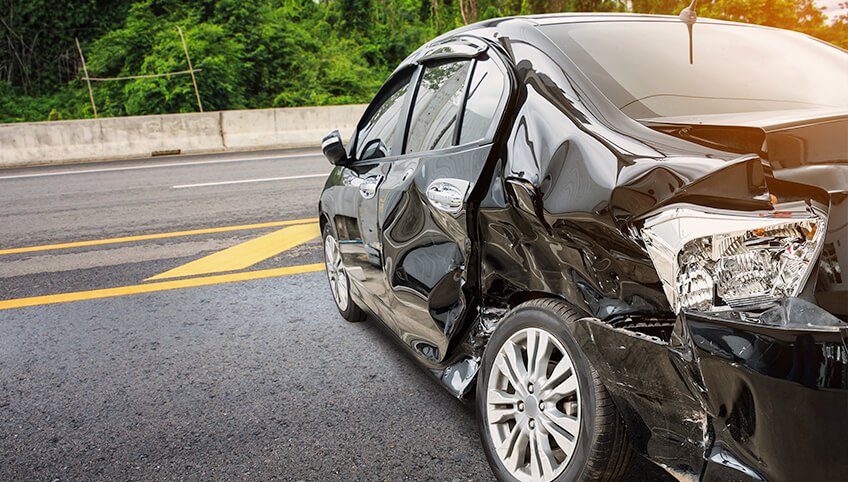
If you have been involved in a car accident which has damaged your wheels or even slightly dented them, then your wheel bearings may have been impacted too.
This could easily cause them to be damaged to the point where they’re malfunctioning and creating all those strange noises that you don’t want to hear. Fortunately, any good repair shop will suspect damaged wheel bearings when damaged wheels are a results of an accident.
5) Poor Installation
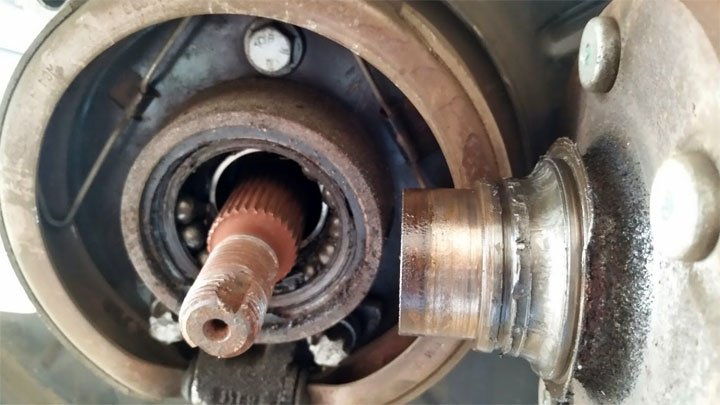
If you just recently had new wheel bearings installed and you’re already noticing strange noises and other problems, then it must mean that your wheel bearings were not installed properly. Either the mechanic was negligent, or they did not install the wheel bearings to the manufacturer’s specifications.
In any event, the best thing you should do is go back to the shop and demand they install the bearings correctly. If you wait too long, they may argue that it’s because of your own doing.