- Welcome to YOCH Bearing!
- 0086-531-85866205
- 0086-16653196205
- market@yochibearing.com

The Structure and Applications of Linear Motion Bearings
Comprehensive Guide to Bearing Maintenance
15/10/2025The Importance of Dust Protection in Linear Bearings
23/10/2025A Comprehensive Overview of Bearings
Linear motion bearings play a crucial role in modern machinery and equipment. They are designed to support and guide moving parts in a linear direction, ensuring smooth and precise movement. The unique structure and wide range of applications make them indispensable in various industries.
Structure of Linear Motion Bearings
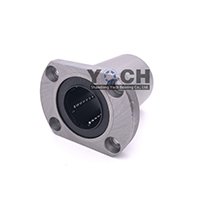
Linear motion bearings consist of several key components that work together to provide efficient and reliable linear motion. The main components include the bearing housing, rolling elements, raceways, and cages.
The bearing housing is the outer structure that houses all the internal components. It is typically made of high – strength materials such as steel or aluminum, providing the necessary rigidity and durability. The shape and size of the housing can vary depending on the specific application requirements.
Rolling elements are the core part of linear motion bearings. They are usually in the form of balls or rollers, which roll between the raceways to reduce friction. The choice of rolling elements depends on factors such as load capacity, speed, and precision requirements. For example, ball bearings are commonly used for light – to – medium load applications with relatively high speed requirements, while roller bearings are more suitable for heavy – load applications.
Raceways are the tracks on which the rolling elements move. They are precision – machined surfaces that guide the rolling elements and ensure smooth linear motion. The quality and accuracy of the raceways directly affect the performance and lifespan of the bearings. High – precision raceways can provide better load – carrying capacity and lower friction, resulting in more efficient and reliable operation.
Cages are used to separate and guide the rolling elements, preventing them from rubbing against each other. They are usually made of materials such as steel, brass, or plastic. The design and material of the cage can affect the load – carrying capacity, speed, and temperature resistance of the bearings. For example, steel cages offer higher strength and load – carrying capacity, while plastic cages are lighter and have better corrosion resistance.
Applications of Linear Motion Bearings
Linear motion bearings are widely used in various industries due to their excellent performance and versatility. Some of the common applications include:
In the manufacturing industry, linear motion bearings are used in machine tools, such as milling machines, lathes, and grinding machines. They provide precise linear motion for the cutting tools, ensuring high – precision machining of workpieces. The smooth and reliable operation of the bearings helps to improve the machining accuracy and efficiency, resulting in better – quality products.
In the automotive industry, linear motion bearings are used in various components, such as power steering systems, suspension systems, and transmission systems. They help to reduce friction and wear, providing smooth and reliable operation of the moving parts. This not only improves the performance and comfort of the vehicles but also extends the service life of the components.
In the electronics industry, linear motion bearings are used in precision equipment such as semiconductor manufacturing machines, electronic component assembly machines, and testing equipment. They provide high – precision linear motion for the positioning and handling of delicate components, ensuring accurate and reliable production processes.
In the medical industry, linear motion bearings are used in medical devices such as CT scanners, MRI machines, and robotic surgical systems. They provide precise and reliable linear motion for the movement of the imaging devices and surgical instruments, ensuring accurate diagnosis and treatment.
Advantages of Linear Motion Bearings
Linear motion bearings offer several advantages over other types of bearings. One of the main advantages is their low friction. The rolling elements in linear motion bearings reduce the friction between the moving parts, resulting in higher efficiency and lower energy consumption. This makes them suitable for applications that require high – speed and high – precision linear motion.
Another advantage is their high load – carrying capacity. Linear motion bearings can support a wide range of loads, from light to heavy, depending on the design and materials used. This makes them versatile and suitable for various applications in different industries.
Linear motion bearings also offer high precision. The precision – machined raceways and rolling elements ensure accurate and reliable linear motion, meeting the requirements of high – precision applications such as machine tools and medical devices.
In addition, linear motion bearings have a long service life. The use of high – quality materials and advanced manufacturing processes ensures the durability and reliability of the bearings. With proper maintenance, they can operate for a long time without frequent replacement, reducing the maintenance cost and downtime.
Conclusion
Linear motion bearings are essential components in modern machinery and equipment. Their unique structure and wide range of applications make them indispensable in various industries. With their low friction, high load – carrying capacity, high precision, and long service life, linear motion bearings provide reliable and efficient linear motion for a wide range of applications. As technology continues to advance, the development of linear motion bearings will also keep pace, meeting the increasingly demanding requirements of modern industry.