- Welcome to YOCH Bearing!
- 0086-531-85866205
- 0086-16653196205
- market@yochibearing.com

SKF Nitrile Seal Failure Analysis and Replacement Cycle Recommendations

The Impact of Moisture on Bearing Lifespan: A Comprehensive Guide
05/02/2026SKF Nitrile Bearing Seals: Industrial Sealing Solutions for Critical Equipment
25/02/2026Understanding SKF Nitrile Bearing Seals
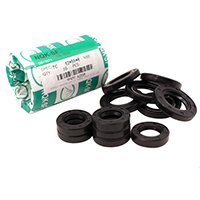
SKF nitrile seals, also known as NBR (Nitrile Butadiene Rubber) seals, are critical components in bearing assemblies that prevent lubricant leakage and protect against contamination. These bearing seals play a vital role in extending bearing service life and maintaining optimal performance in various industrial applications. Understanding the common failure modes of these sealing elements helps maintenance teams implement proactive replacement strategies.
Common Causes of Bearing Seal Failure
Material Degradation
Nitrile rubber bearing seals are susceptible to deterioration when exposed to incompatible lubricants or operating conditions. High temperatures above 100°C (212°F) accelerate the aging process, causing the seal material to harden, crack, and lose elasticity. Chemical incompatibility with certain synthetic lubricants or cleaning agents can cause swelling or shrinkage, compromising the seal’s ability to maintain proper contact with the shaft surface.
Mechanical Damage
Improper installation techniques frequently damage bearing seals. Using sharp tools, incorrect pressing methods, or forcing seals into misaligned housings can create nicks, tears, or deformation in the sealing lip. Additionally, shaft surface roughness, scoring, or corrosion abrades the seal lip over time, leading to premature failure and leakage paths.
Contamination Ingress
When bearing seals lose their sealing effectiveness, abrasive particles, moisture, and corrosive contaminants enter the bearing cavity. This contamination accelerates bearing wear and generates heat, creating a destructive cycle that further degrades seal performance. Fine dust and particulate matter are particularly damaging in mining, cement, and agricultural applications.
Bearing Seal Replacement Cycle Guidelines
Standard Operating Conditions
For general industrial applications with clean environments and moderate temperatures, SKF nitrile bearing seals typically require replacement every 8,000 to 12,000 operating hours. Annual inspection during scheduled maintenance helps identify early signs of hardening, cracking, or leakage before catastrophic failure occurs.
Severe Duty Applications
In harsh environments involving high temperatures, chemical exposure, or heavy contamination, bearing seal replacement intervals should be shortened to 2,000-4,000 hours. Industries such as steel manufacturing, wastewater treatment, and food processing demand more frequent monitoring due to aggressive operating conditions.
Condition-Based Maintenance
Implementing predictive maintenance strategies using thermal imaging and vibration analysis helps optimize bearing seal replacement timing. Visual inspections for oil seepage, discoloration, or lip deformation provide reliable indicators that replacement is necessary, regardless of operating hours accumulated.
Best Practices for Bearing Seal Installation
Successful bearing seal replacement requires meticulous attention to installation procedures. Always verify shaft condition, ensuring surface finishes meet SKF specifications of 0.4-0.8 μm Ra. Use appropriate installation tools to press seals squarely into housings without damaging the sealing lip. Apply compatible lubricants to the seal lip during installation to prevent dry running during initial startup.
By understanding these failure mechanisms and implementing appropriate replacement cycles, maintenance professionals can maximize the service life of both the bearing seals and the protected bearings, reducing unplanned downtime and maintenance costs.