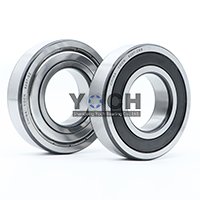
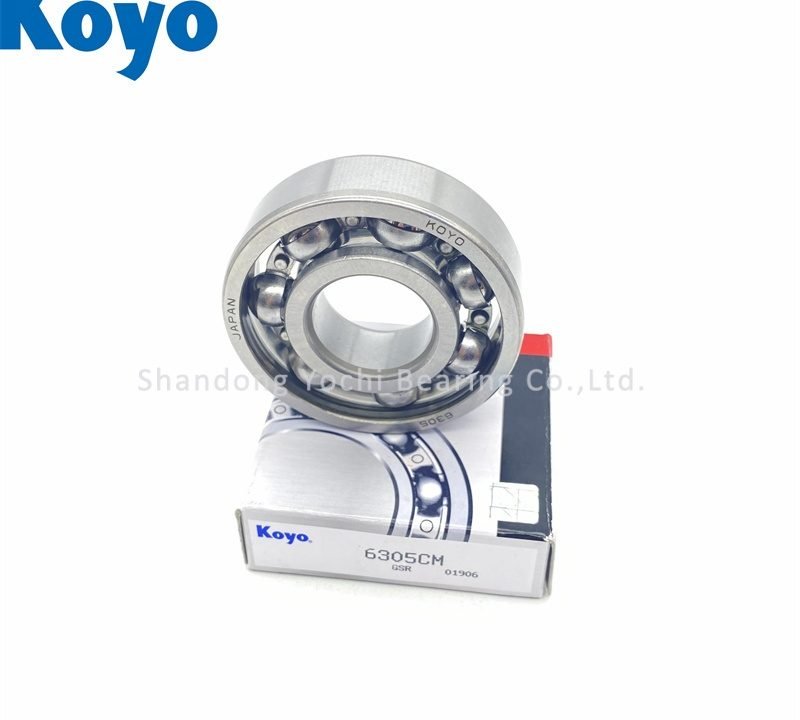
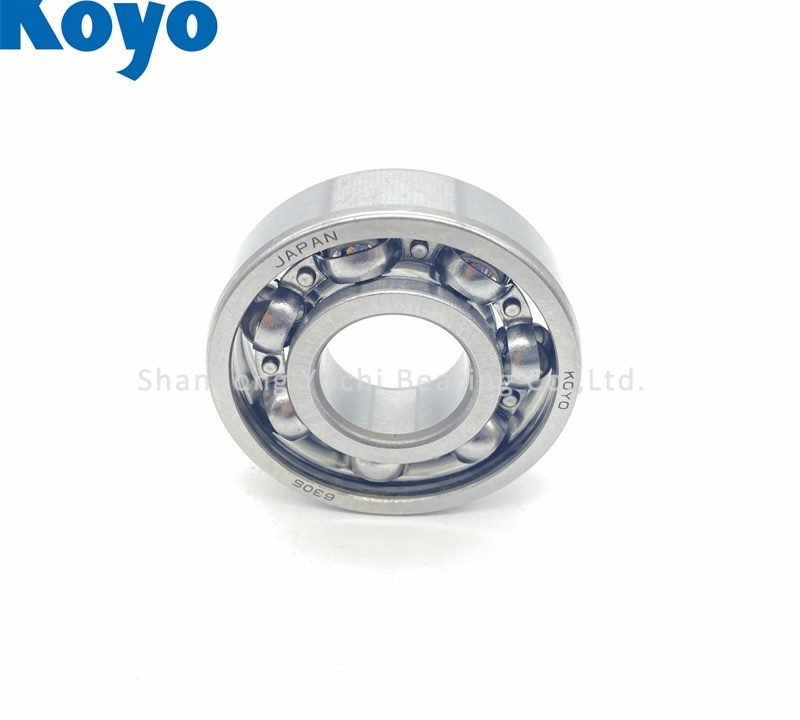
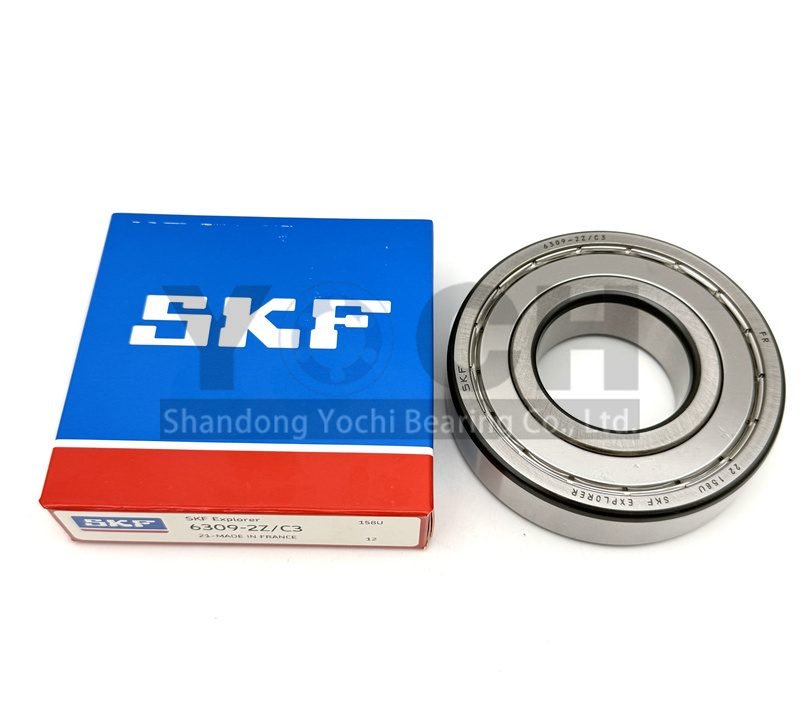
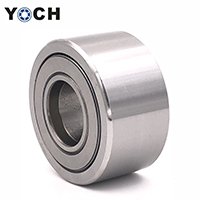
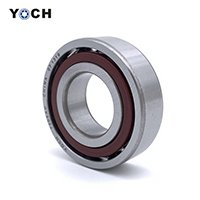
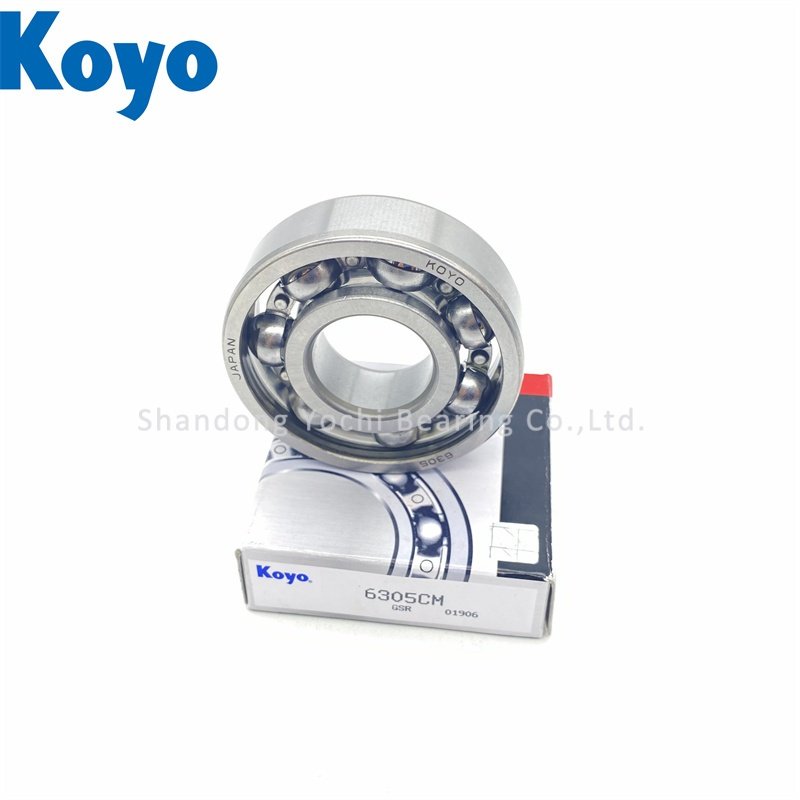
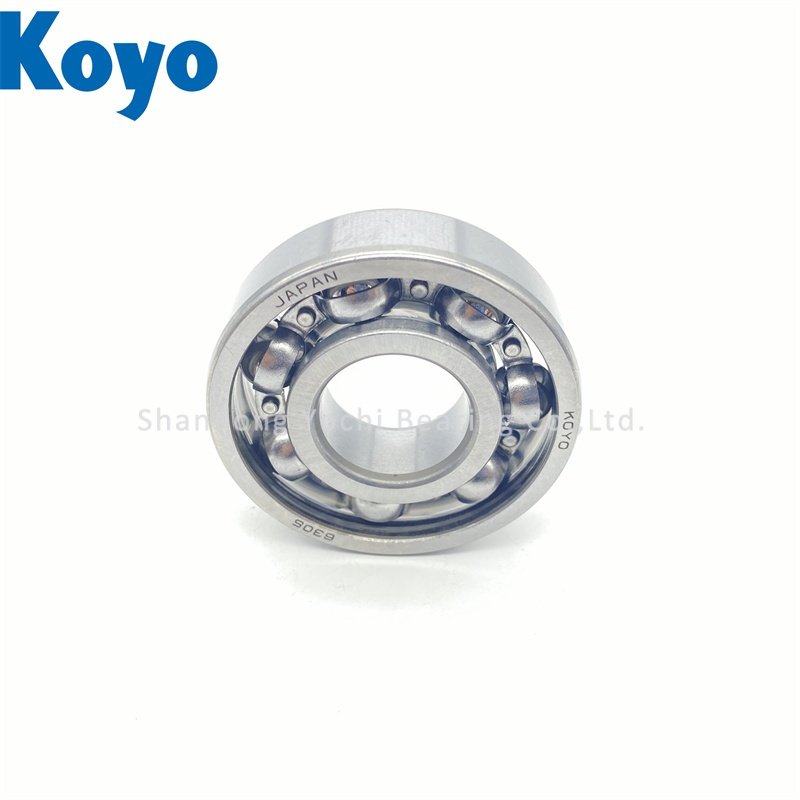
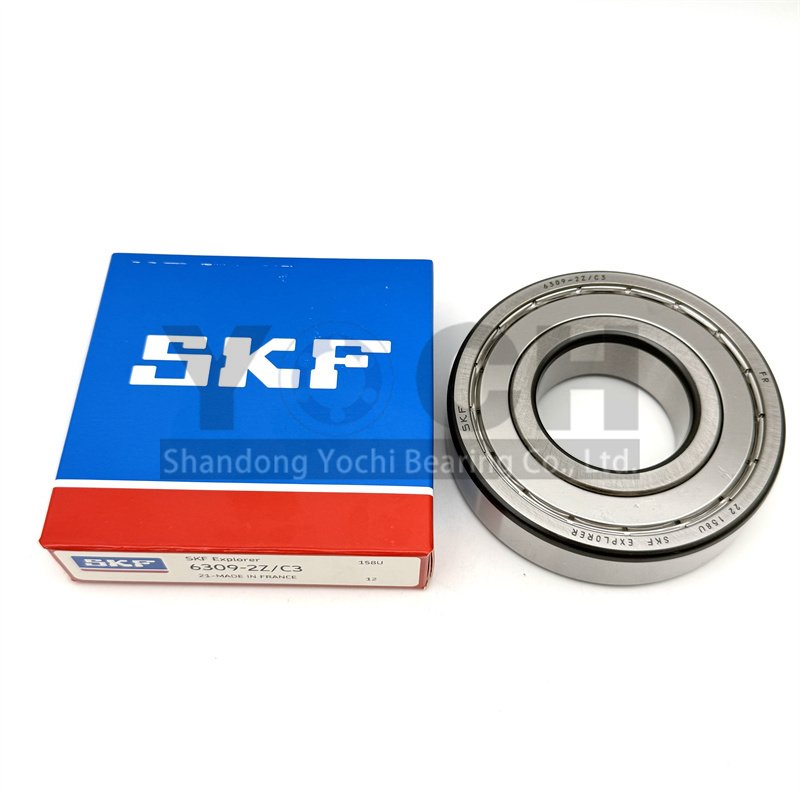
Compared with ordinary bearings, stainless steel bearings not only have obvious advantages in material, but also have stricter control in process and precision than ordinary bearings. During the working process, stainless steel bearings work stably, have low noise, are corrosion-resistant, and are widely used.
What are stainless steel bearings?
A stainless steel bearing is a bearing made from stainless steel, a corrosion-resistant alloy that contains at least 10.5% chromium. This makes them ideal for applications where the bearing is exposed to harsh environments or corrosive substances.
What are stainless steel bearings made of?
We offer stainless steel bearings in different materials, including AISI 440c, AISI 420, AISI 304, AISI 316l.
AISI 440C stainless steel - This is the most common material used for stainless steel bearings due to its high hardness, corrosion resistance, and low magnetic permeability.
AISI 304 stainless steel - This material is often used in applications that require good corrosion resistance and moderate strength.
AISI 316 stainless steel - This material contains higher levels of chromium, nickel, and molybdenum than other types of stainless steel, which gives it greater corrosion resistance and strength.
AISI 420 stainless steel - This material is known for its high strength, hardness, and corrosion resistance and can be hardened through heat treatment processes.
Features of Stainless Steel Bearings
We offer stainless steel bearings in different materials, including AISI440C, AISI420, AISI304, AISI316L. In addition, we are able to passivate these stainless steel bearings to enhance rust resistance.
What are the advantages of stainless steel bearings?
Stainless steel bearings have several advantages over other types of bearings. Here are some of the main advantages:
1. Excellent corrosion resistance: Stainless steel bearings are not easy to rust and have strong corrosion resistance.
2. Washable: Stainless steel bearings can be washed down without the penalty of having to re-lubricate to prevent rust.
3. Can run in liquid: Due to the materials used, we can run the bearings and bearing seats in liquid.
4. Slower depletion speed: AISI 316 stainless steel does not require oil or grease for corrosion protection. Therefore, if the speed and load are low, there is no need for lubrication.
5. Hygienic: Stainless steel is naturally clean and does not corrode.
6. High heat resistance: Stainless steel bearings equipped with high-temperature polymer cages or without cages in a complete fill structure can operate at higher temperatures ranging from 180°F to 1000°F. (High-temperature resistant grease is required)
What are stainless steel bearings used for?
Stainless steel bearings can be used in a variety of applications, including:
Food processing: cleanliness and sanitation are key factors
Medical equipment: precision and reliability are critical to patient safety
Marine equipment: exposure to salt water can cause other bearing materials to degrade rapidly
Chemical processing: resistance to corrosive chemicals is critical
Overall, stainless steel bearings provide a reliable solution for industries that require long-lasting and durable components that can withstand harsh conditions.