- Welcome to YOCH Bearing!
- 0086-531-85866205
- 0086-16653196205
- market@yochibearing.com

Manual Pressing Method for Installing TIMKEN Cylindrical Roller Bearings
TIMKEN Tapered Roller Bearing Clearance Adjustment
07/05/2026
Bearing Cleaning Quality Requirements
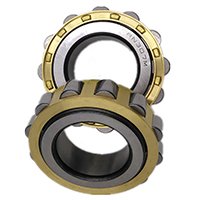
12/05/2026TIMKEN cylindrical roller bearings are widely used in heavy machinery, automotive transmissions, and industrial equipment due to their high radial load capacity and excellent rigidity. Proper installation is critical to ensuring optimal performance and extended service life. Among various mounting techniques, the manual pressing method remains a reliable and cost-effective approach for installing TIMKEN cylindrical roller bearings in workshops and maintenance facilities.
Preparing the Bearing and Work Environment
Before beginning the installation process, thorough preparation is essential. First, inspect the bearing for any visible damage, corrosion, or contamination. Clean both the bearing and the shaft housing using lint-free cloths and appropriate solvents. Ensure that all mating surfaces are free from burrs, nicks, or debris that could compromise the fit. The work area should be clean, well-lit, and organized to prevent foreign particles from entering the bearing during assembly. Additionally, verify that the bearing model and specifications match the application requirements outlined in the equipment manual.
Selecting Proper Tools for Bearing Installation
The manual pressing method requires specialized tools to apply force evenly and avoid damaging the bearing raceways. A hydraulic press or arbor press is typically used, depending on the bearing size and available equipment. Select a pressing tool or mandrel that contacts the bearing ring being mounted—never apply pressure through the rolling elements. For inner ring mounting, the force should be transmitted directly to the inner ring; conversely, when pressing the outer ring into a housing, apply force only to the outer ring. Using incorrect tools can lead to brinelling, misalignment, or premature bearing failure.
Bearing Pressing Procedure Step by Step
Begin by lightly lubricating the shaft and housing bore to reduce friction during installation. Position the bearing squarely on the shaft or into the housing, ensuring proper alignment. Gradually apply pressure using the press, maintaining a slow and steady force. Avoid sudden impacts or hammering, as these can cause micro-cracks or deform the bearing rings. Monitor the pressing process continuously, checking that the bearing seats uniformly against the shoulder or housing stop. If resistance increases unexpectedly, stop immediately and inspect for misalignment or interference issues. Continue pressing until the bearing is fully seated against the reference surface.
Post-Installation Bearing Inspection
After installation, conduct a comprehensive inspection to confirm that the bearing is properly mounted. Rotate the bearing by hand to check for smooth operation without binding, excessive noise, or irregular resistance. Use a dial indicator to measure radial and axial runout, ensuring values fall within the manufacturer’s specified tolerances. Verify that the bearing has reached its intended axial position and that there is adequate clearance for thermal expansion during operation. Any detected abnormalities should be addressed before placing the equipment into service.
Common Mistakes During Bearing Pressing
Several common errors can compromise the integrity of a manually pressed bearing. Applying force through the rollers or cage instead of the appropriate ring is the most frequent mistake and often results in permanent damage. Insufficient cleaning of mating surfaces can introduce contaminants that accelerate wear. Pressing at an angle causes uneven loading and potential ring deformation. Additionally, using excessive force to overcome misalignment rather than correcting the root cause frequently leads to installation failure. Technicians should always follow TIMKEN’s recommended procedures and torque specifications.
Conclusion
The manual pressing method offers a practical solution for installing TIMKEN cylindrical roller bearings when performed with precision and care. By preparing components properly, selecting appropriate tools, following systematic pressing procedures, and conducting thorough post-installation inspections, maintenance professionals can maximize bearing performance and reliability. Adhering to best practices not only extends the service life of the bearing but also reduces downtime and maintenance costs across industrial operations.
We are a bearing supplier from China. If you want to learn more about other bearing knowledge, you can watch our YouTube or contact us.