Angular Contact Ball Bearings: Precision Engineering for Combined Loads
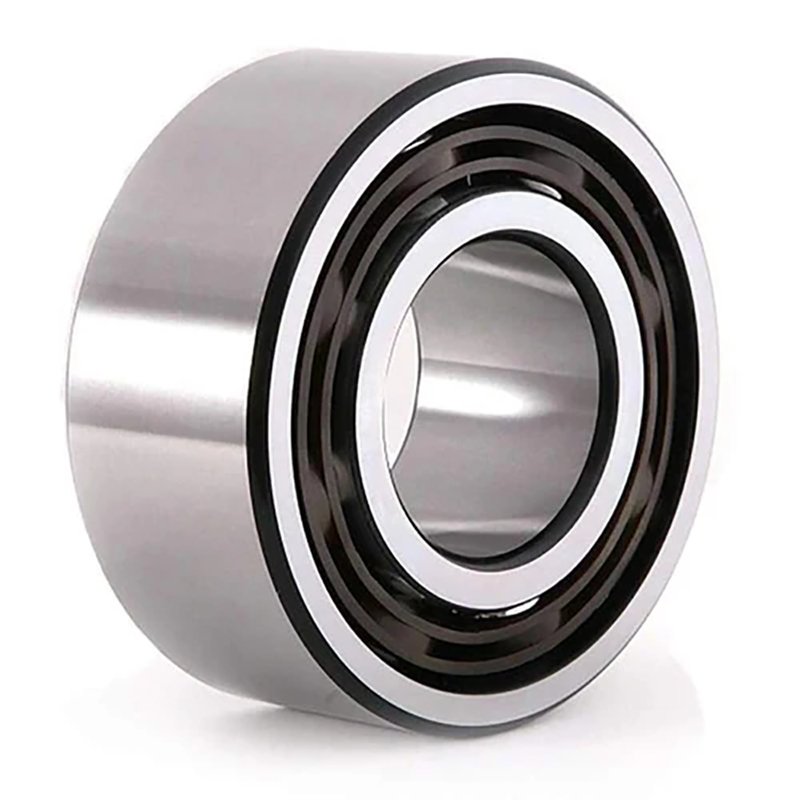
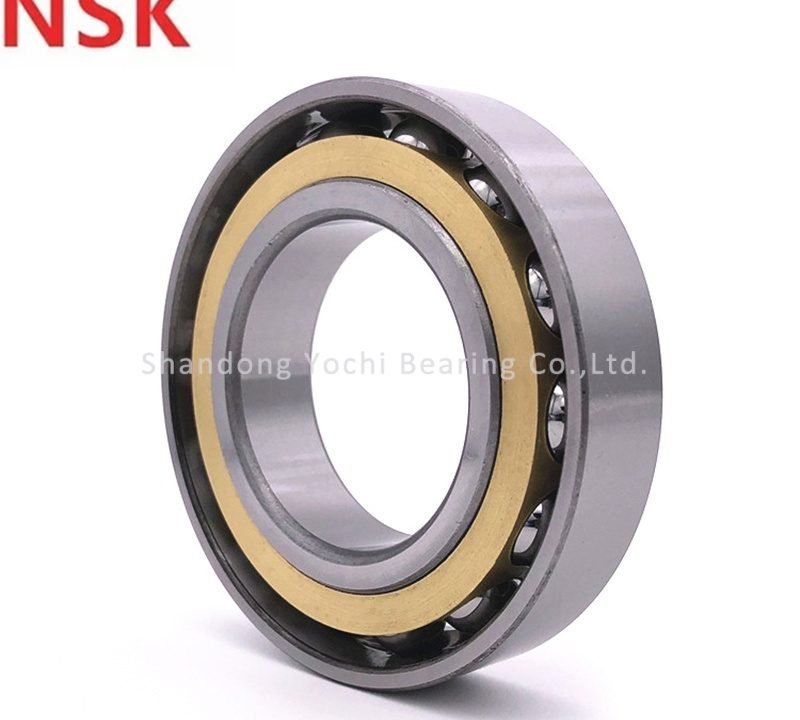
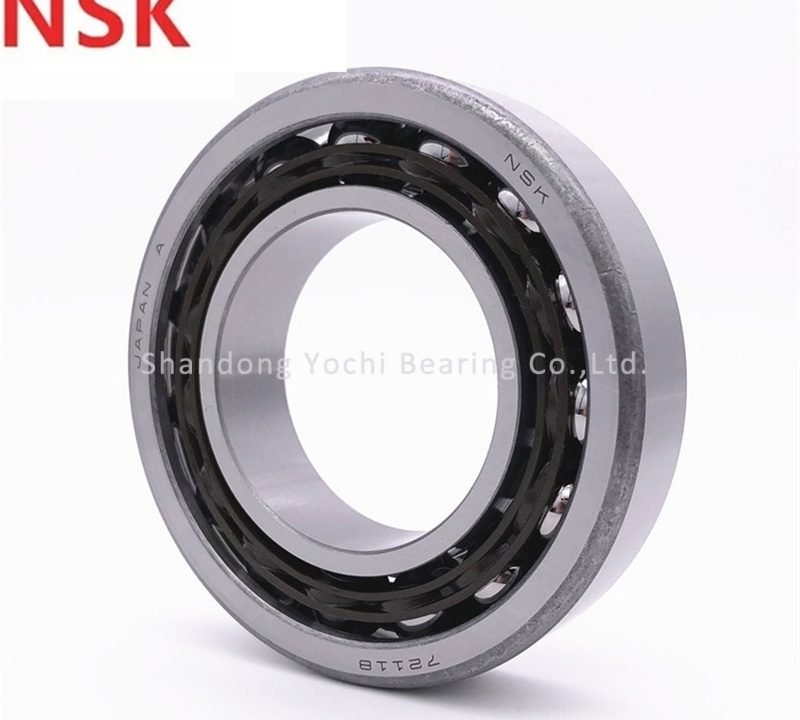
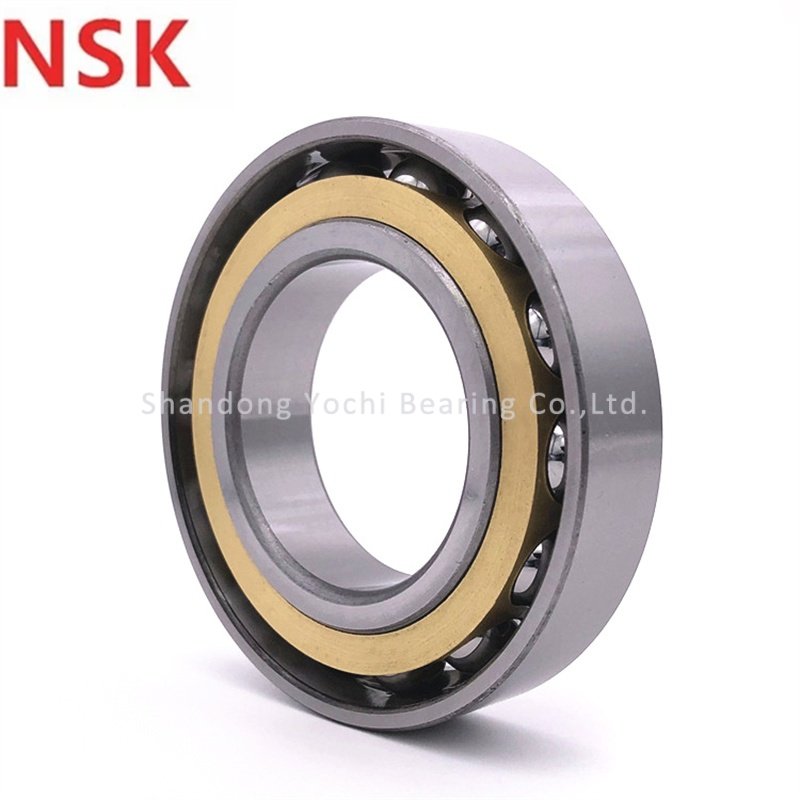
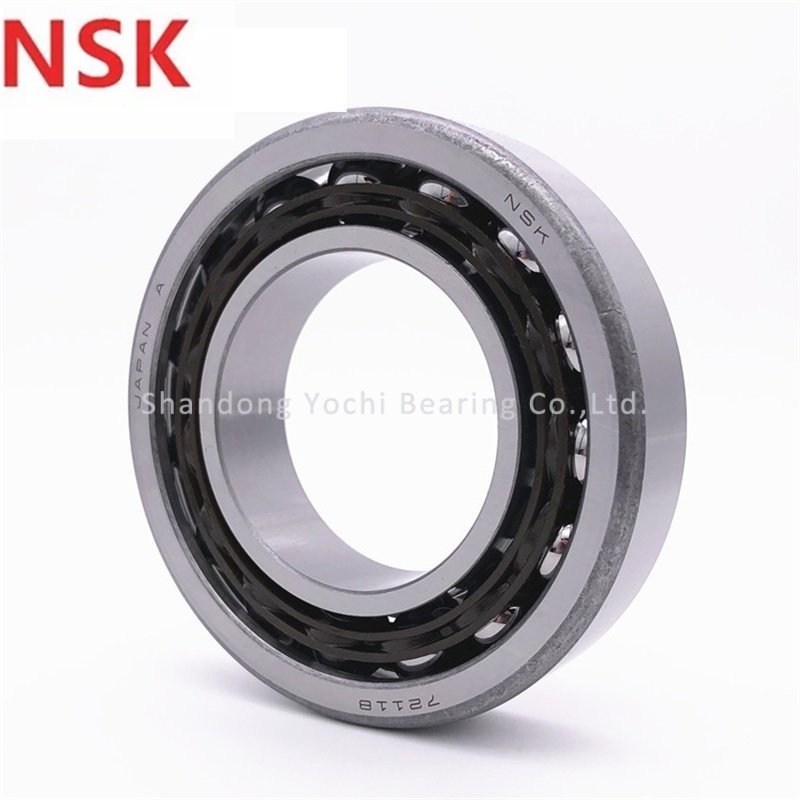
Angular contact ball bearings represent a critical component in modern rotating machinery, designed to handle both radial and axial loads simultaneously. Unlike standard deep groove ball bearings, these specialized bearings feature raceways displaced relative to each other along the bearing axis, enabling them to support significant thrust forces in one direction.
Bearing Construction and Design
The unique geometry of angular contact bearings allows contact angles typically ranging from 15° to 40°. Higher contact angles accommodate greater axial loads, while lower angles optimize high-speed performance. Manufacturers often arrange these bearings in pairs—either back-to-back or face-to-face configurations—to manage bidirectional axial forces effectively.
Bearing Selection Considerations
When specifying angular contact ball bearings, engineers must evaluate load magnitude, operating speed, and required stiffness. Preload settings significantly influence performance, affecting both rotational precision and service life. Proper lubrication and mounting procedures ensure optimal functionality in demanding industrial environments.
Understanding these fundamental characteristics enables maintenance professionals and design engineers to maximize equipment performance and longevity through informed bearing selection and application.