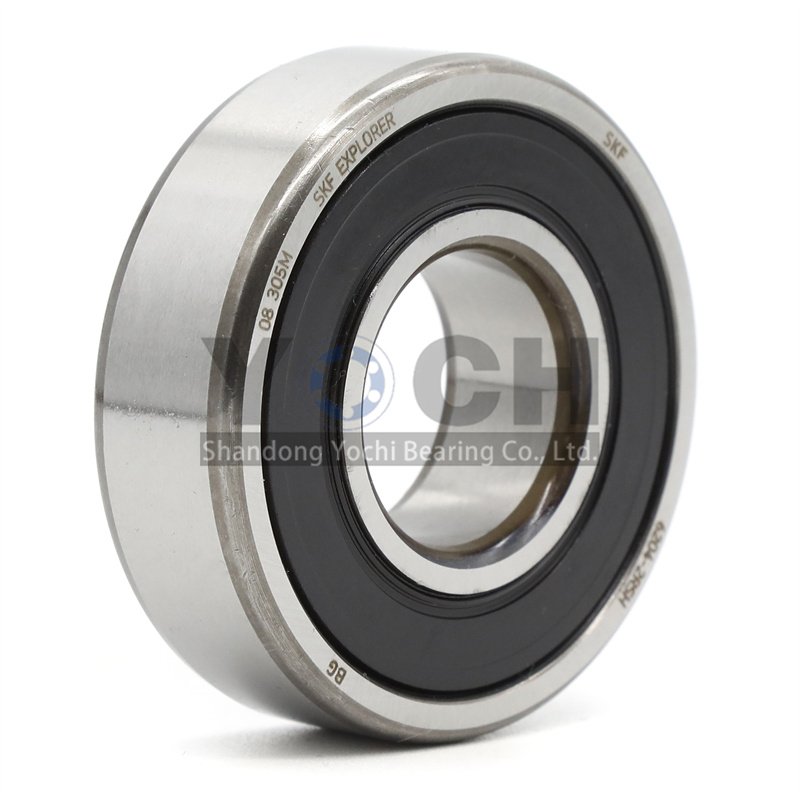
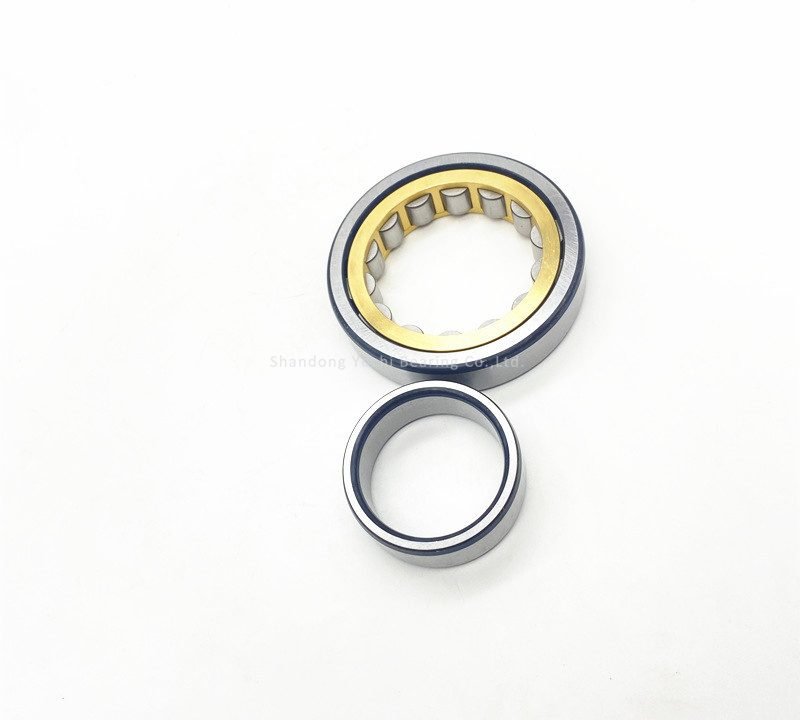
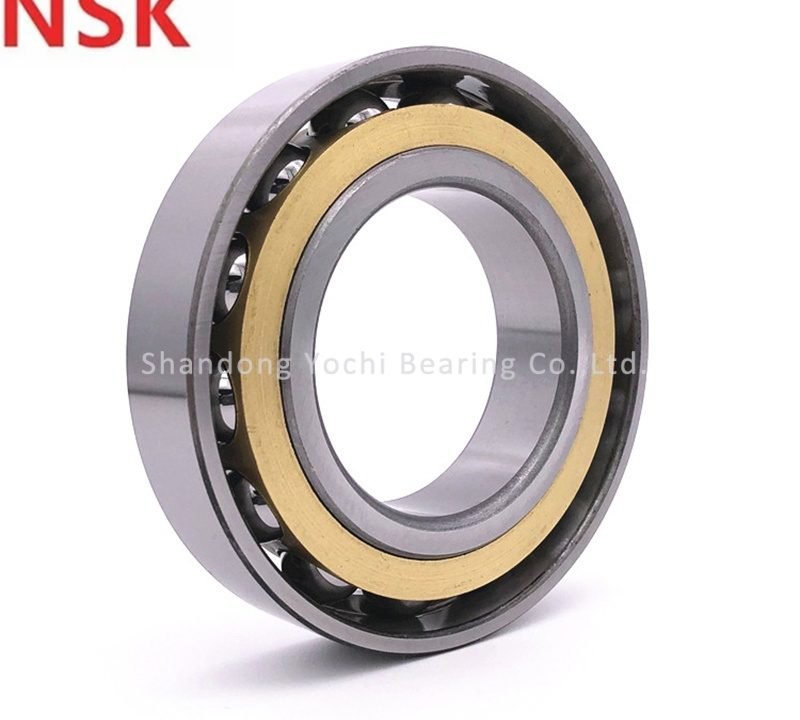
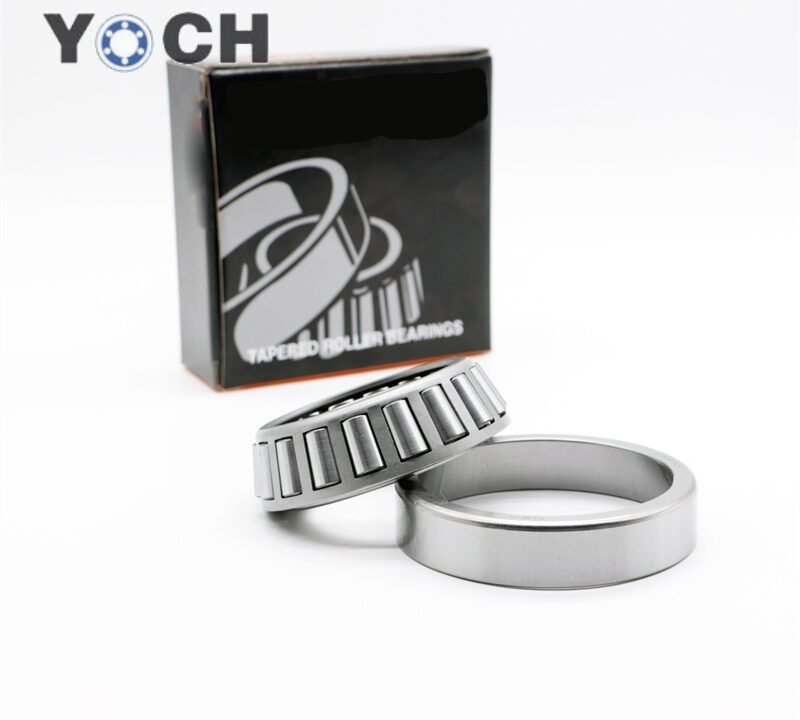
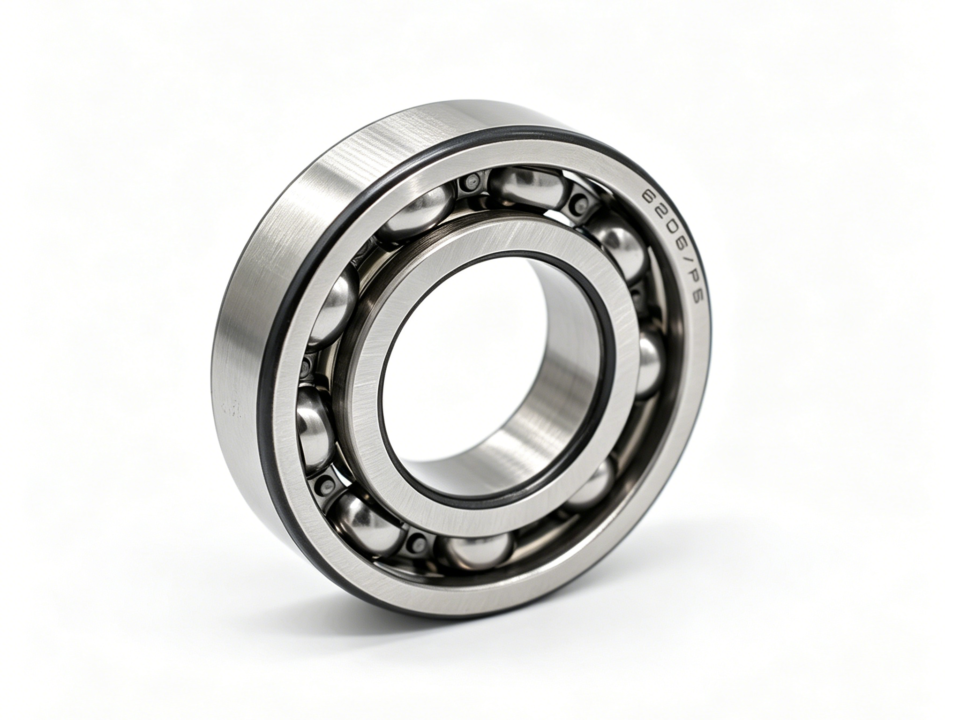
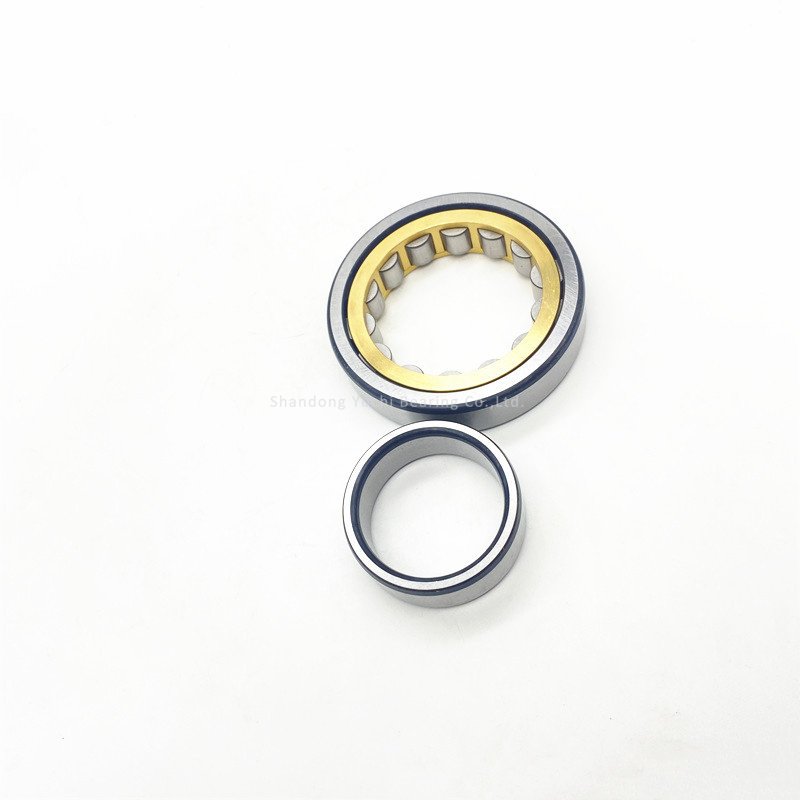
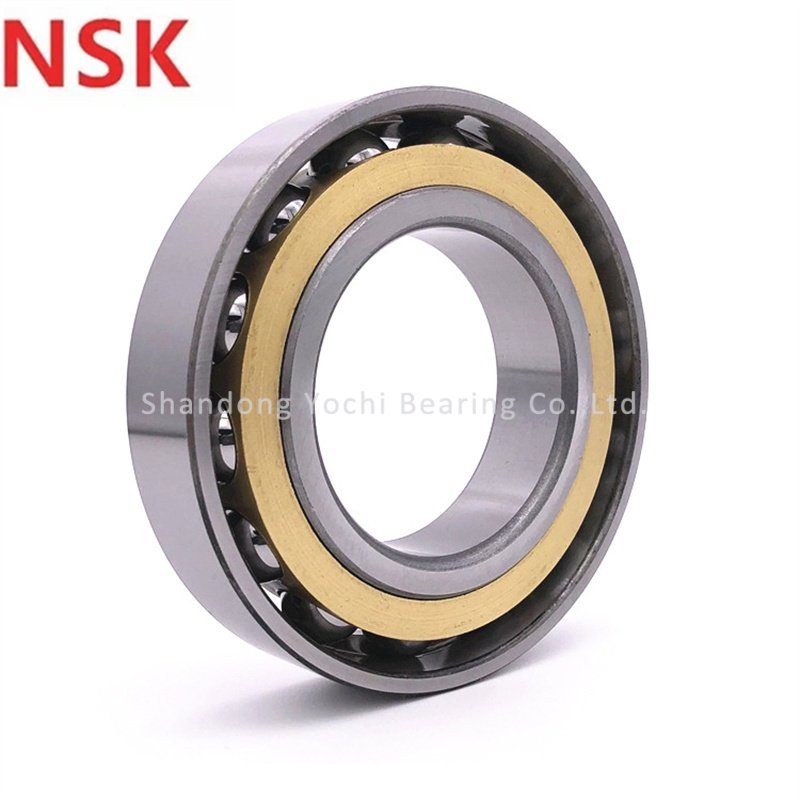
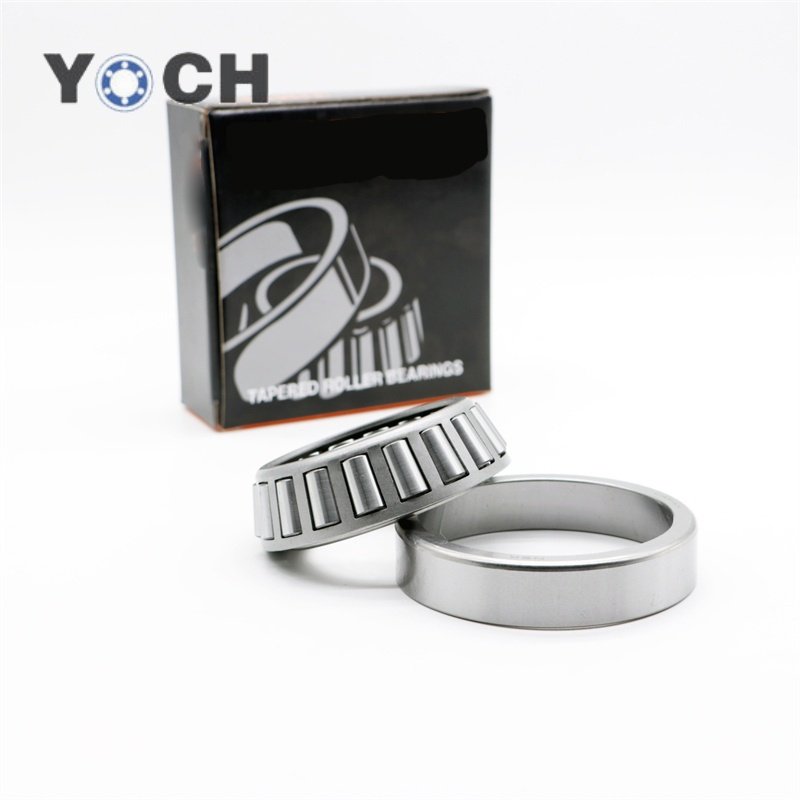
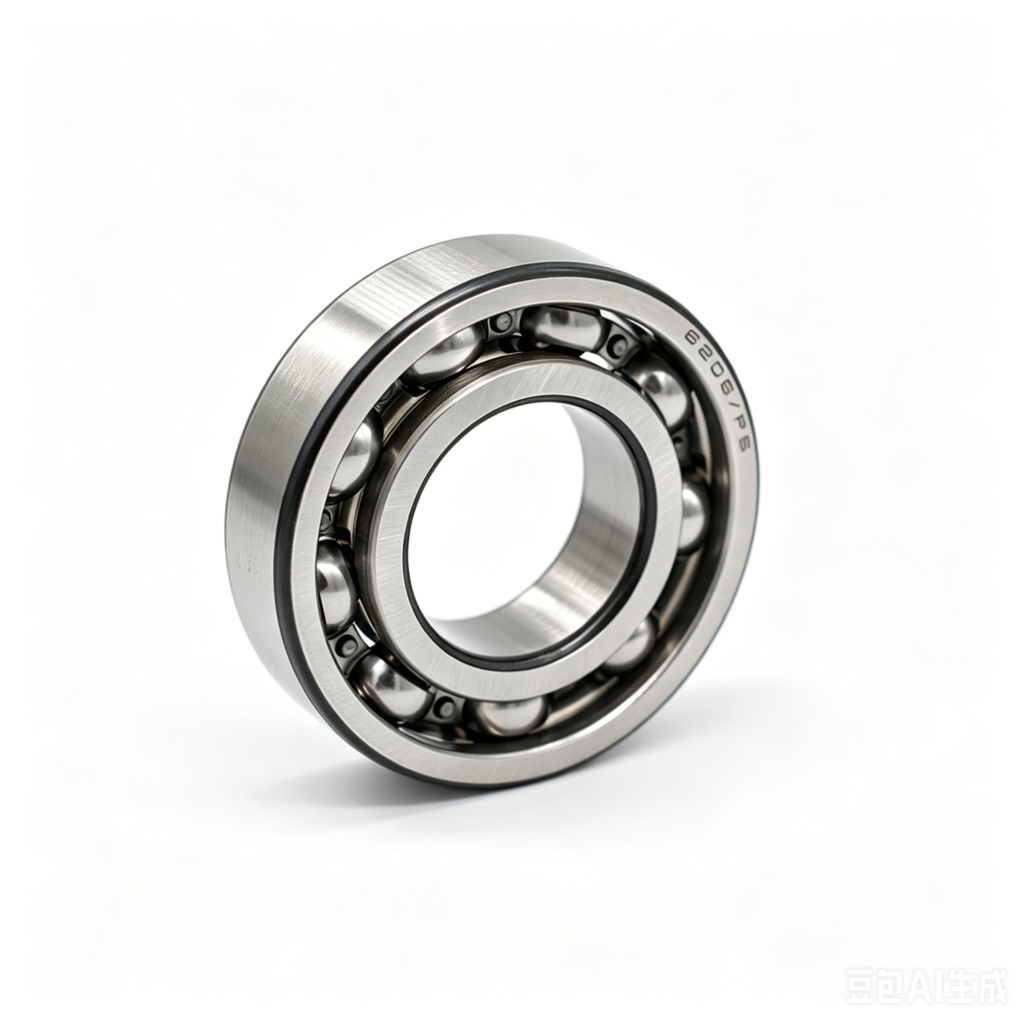
Industrial gearbox bearings support rotating shafts used to transfer power while minimizing friction. Bearings come in two main categories: journal bearings and rolling element bearings. However, within those categories, there are multiple types, each with their own lubrication challenges.
The implementation of gear bearings may be one-piece manufacturing or a fixed joint assembly using: screws, bracers, threaded connections, pressure coupling, soldering, welding, gluing, or friction coupling in the form of sliding safety clutch or friction connection. The gear bearing may also be assembled from separate sectional parts or by joining with optional elastic and/or thermal deformation in the manufacturing sequence.
Bearings are used in a variety of areas in transmissions, including rear output shafts, main shafts and reverse idlers, clutches, pumps, solenoids, planetary gear sets, and gear shifting forks.
Selection of gearbox bearing type:
1.Installation space.
2.Load. Load magnitude, type and direction which applied.
3.Rotational speed.
4.Running accuracy.
5.Rigidity.
6.Misalignment.
7.Mounting and dismounting.
Advantages:
Simplicity of implementation 0(as bearing cages, carriers, simplified suspension, and mounting systems are not necessary).
Increased efficiency due to decreased sliding friction losses.
May require fewer satellite gears, as their orbital motion is prescribed by gear engagement.
Possibility of use for direct visualization in measuring instruments.