Factory Supply High Precision NSK 23992CA Spherical Roller Bearings
27/10/2023Stable Performance Bearing SI12T/K Rod End Joint Bearing SI5T/K SI6T/K SI8T/K SI10T/K SI10-1T/K
25/10/2023
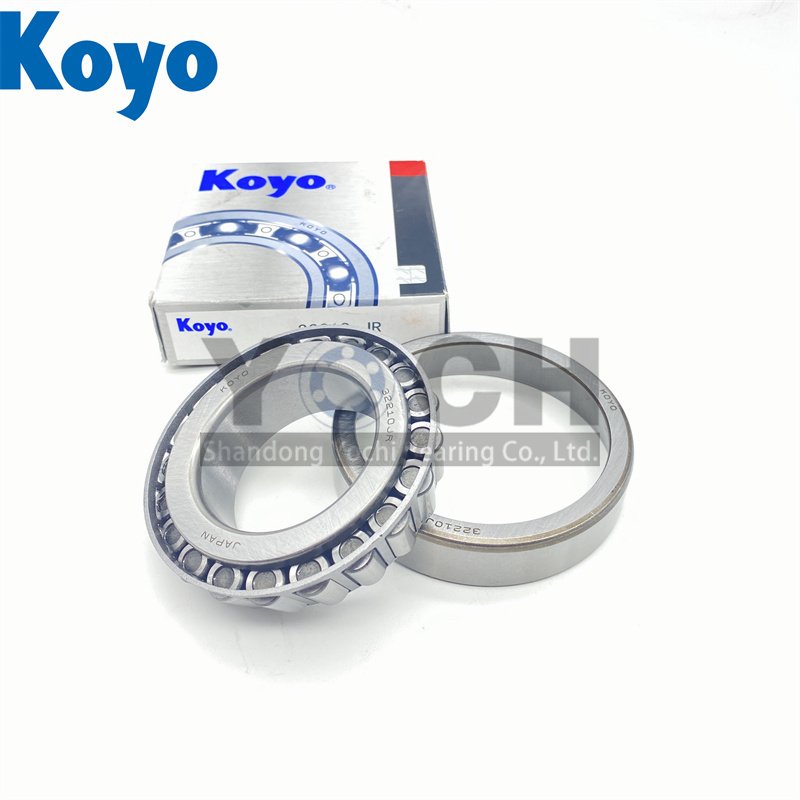
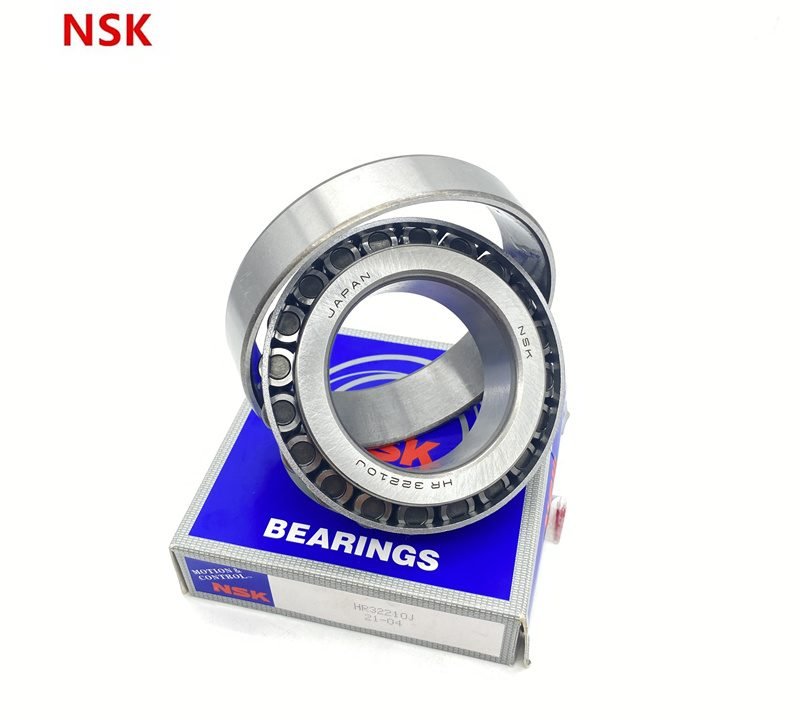
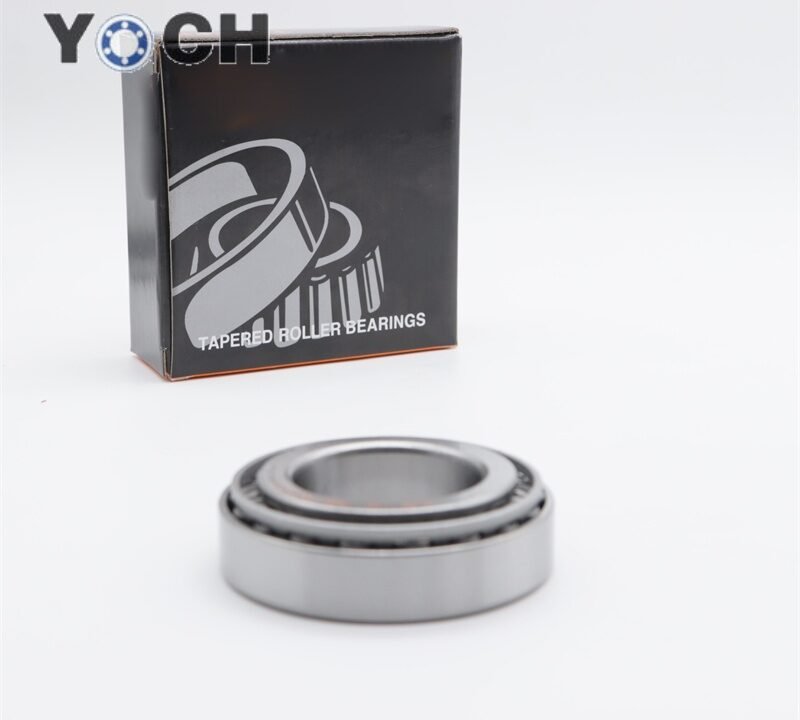
Single-row tapered roller bearing
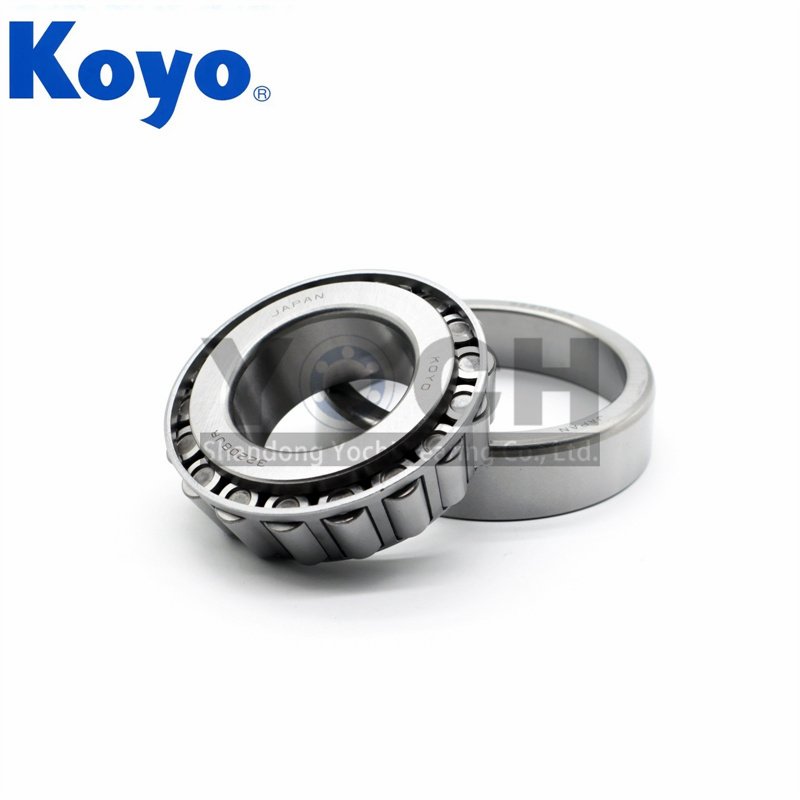
A single-row tapered bearing is usually adequate for the most straightforward applications (e.g., angular forces on a fixed point and with only mild fluctuation). To find the right one, you'll need to determine whether the end-use of the tapered bearing will have more radial or axial loads. There are axial-only tapered roller bearings called thrust tapered bearings that resemble flat rings or disks where the rollers are perpendicular to the bearing bore axis. When multiple bearings are required, it could be advantageous to use two- or more single-row tapered bearings rather than multi-row bearings within a single housing. One such example is if one bearing will need to be maintained, adjusted, or replaced separately from the other. Another is when there is a need to allow for flexibility in design and add or subtract individual single-row tapered bearings, which is impossible with a multi-row tapered bearing.
What is a taper roller bearing used for?
Tapered Roller Bearings are designed to reduce friction and, in turn, reduce the heat that can cause bearing structures to fail. This bearing is used in many industrial applications and is optimal for those undergoing excess loads.
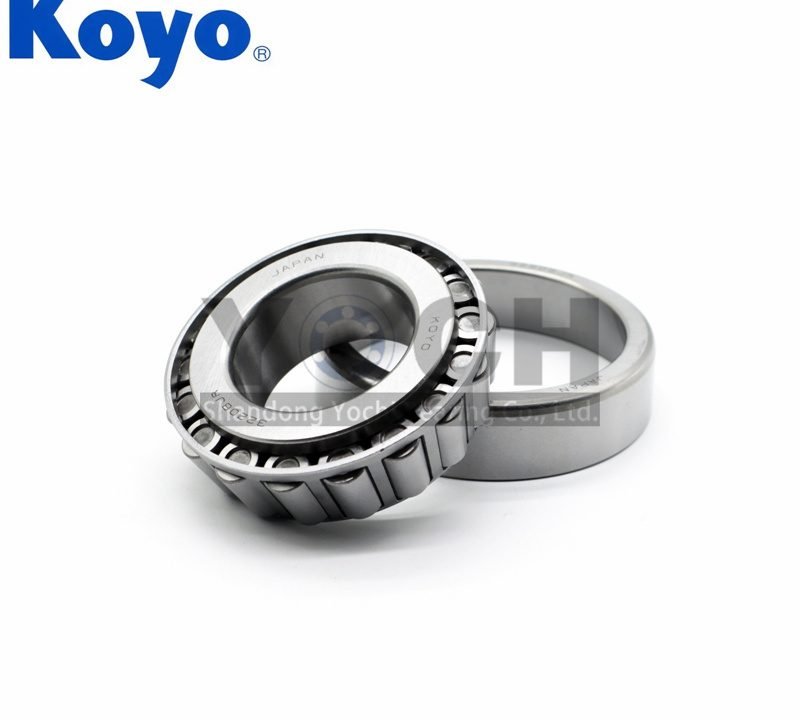
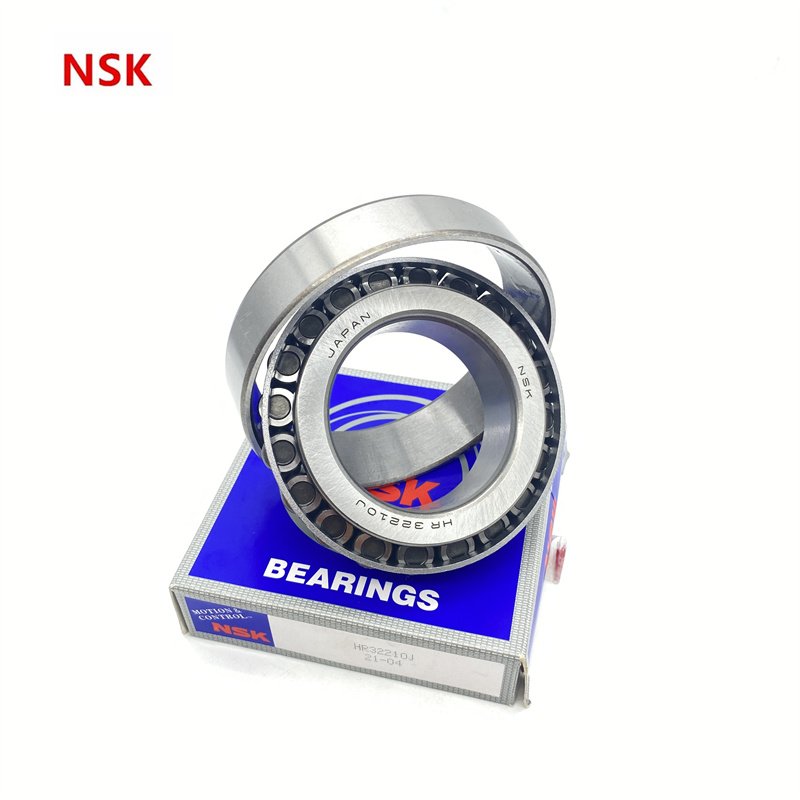
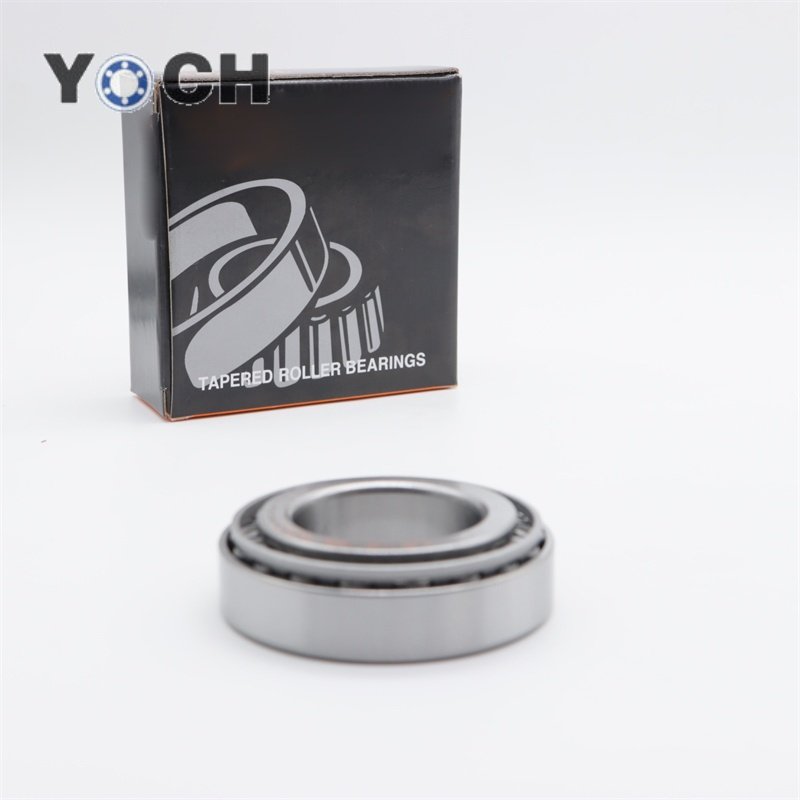
Tapered roller bearings contain an inner ring, outer ring, and a number of tapered rollers. Looked at individually, the inner and outer bearing rings are also tapered, resembling a cone segment. Due to the large surface area contact, tapered roller bearings are able to withstand heavy axial and radial loads.
The most common material for ball bearing, roller bearing, and tapered roller bearing is chrome SAE 52100 bearing steel. This bearing can be made by high carbon content of 1.5% and has Rockwell hardness of about 64 HRC.
Tapered roller bearings are typically used in gearboxes, hoisting equipment, rolling mills and machines in the mining industry. Four row tapered roller bearings are used almost exclusively in work roll applications such as rolling mills.
What types of loads can tapered roller bearings handle?
The angled and tapered shape of tapered roller bearings minimizes the stress caused by a combination of radial and axial loads. Radial and axial loads often combine to create different loads upon a bearing assembly. The ability to handle angular loads and changing angular loads – makes tapered roller bearings indispensable to various technical designs and industries. The tapered shape essentially concentrates radial and axial loads into a unified load that is more easily harnessed. Which angular loads can be harnessed depends on the precise angle of the tapered bearing. They can harness a comprehensive range of forces by configuring two or even more tapered bearings.
The steepness of the roller bearing's gradient increases the thrust/axial load it can handle, while a shallow angle increases the radial load capacity. As the radial load increases, the bearing experiences more stress against the sides of the bearing raceways. A more shallow angle minimizes stress, reducing pressure on the rollers. Increased axial load contributes to the stress applied to the top of the rollers. A steeper angle will distribute the pressure more towards the center of the bearing and less onto the rollers themselves.
Common uses of tapered roller bearings
A tapered roller bearing is appropriate wherever a bearing must handle combination loads. One of the most common uses is maintaining axial balance, achieved with multiple tapered roller bearings along an axle or shaft. The tapered bearings will evenly distribute loads when adequately aligned, minimizing wear and tear on the components. With higher surface area, tapered roller bearings can distribute friction and heat from combination loads more efficiently than non-tapered rollers (which are more efficient than tapered bearings only with the most straightforward non-combination forces). This reduced friction increases the rotational speed of interfacing parts and makes tapered roller bearings ideal for use in:
Engines
Motors
Gearboxes (especially those with helical gears)
Wheels & axles
Turbines & propellers
This equipment must combine many different angles and utilize them to drive motors, driveshafts, and other rotational components.