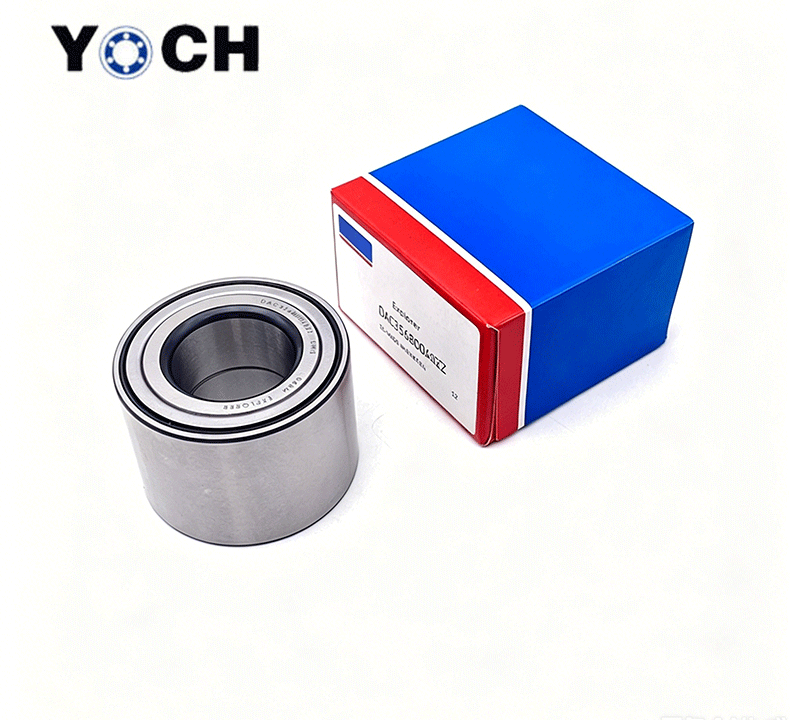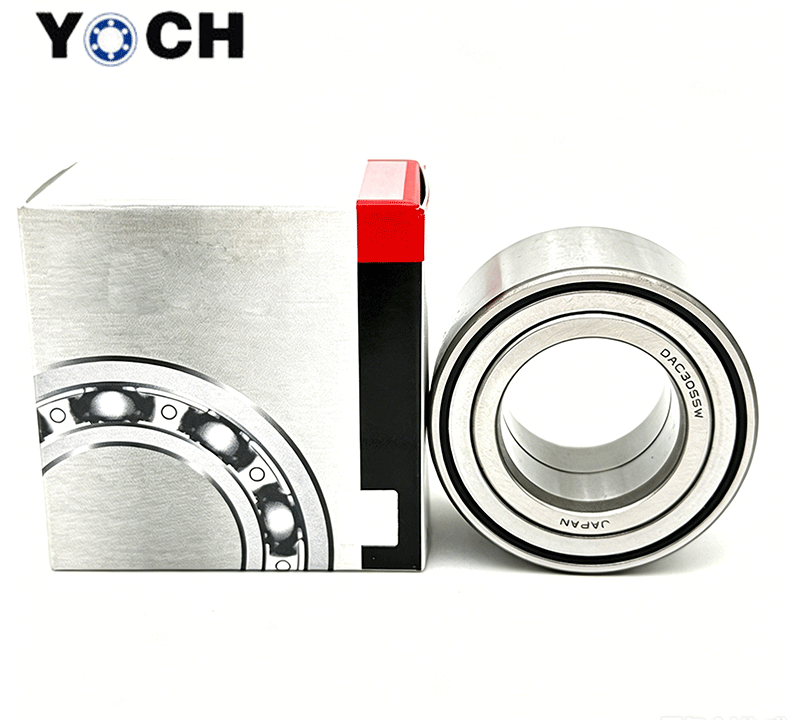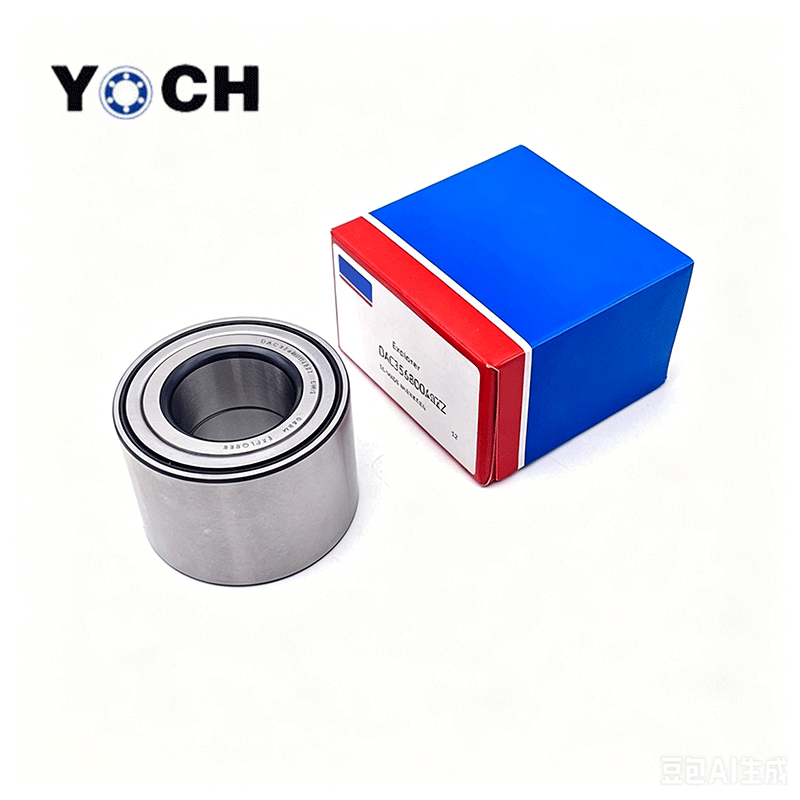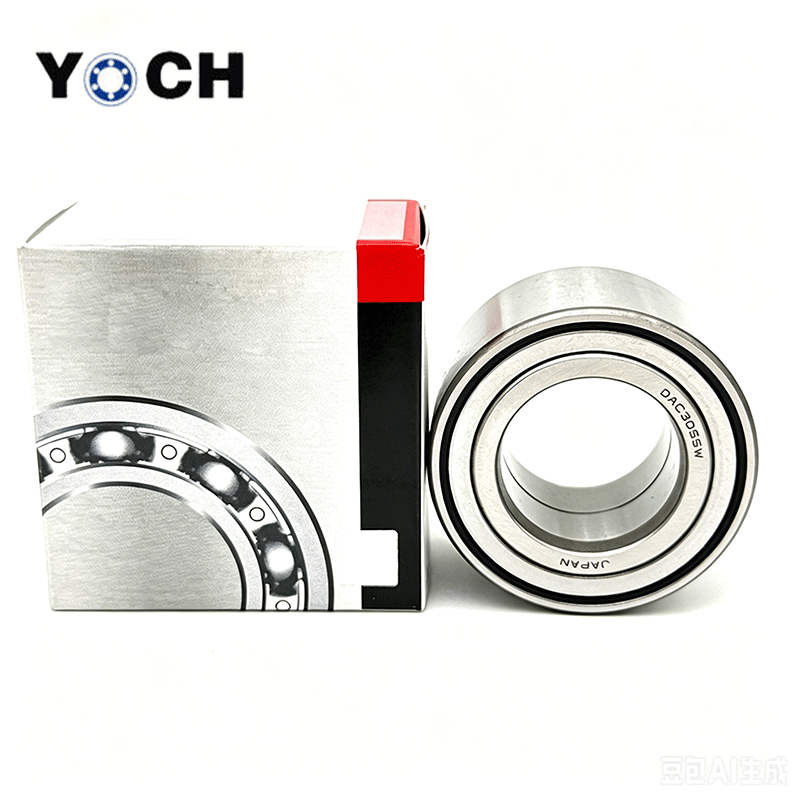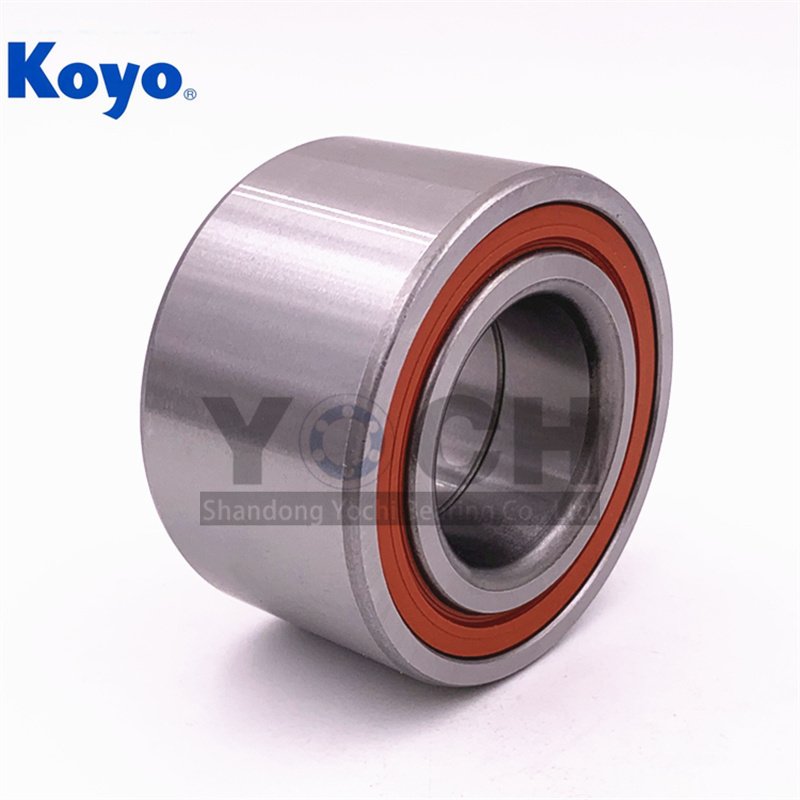
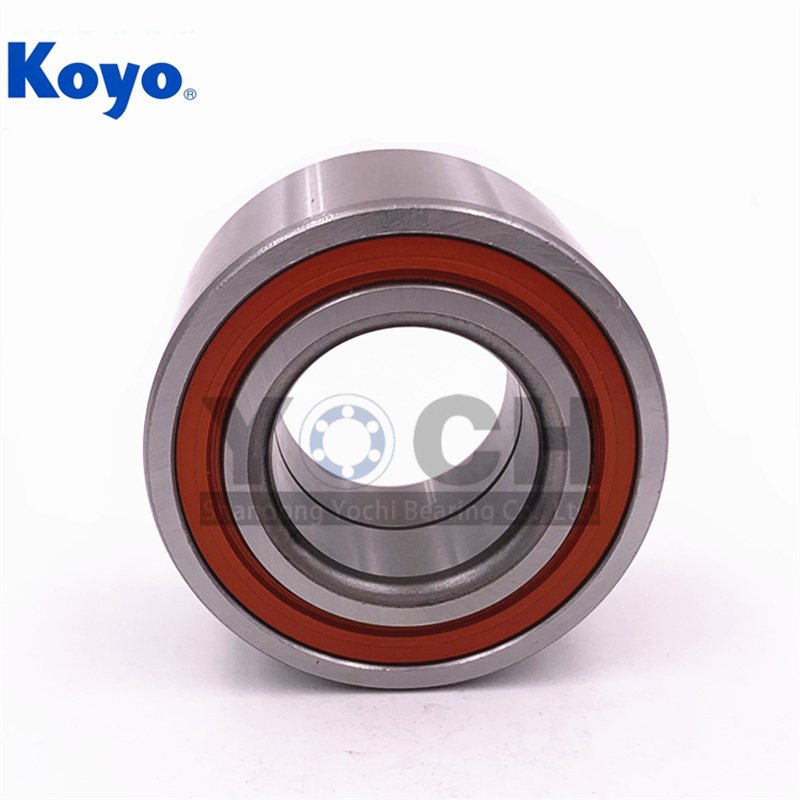
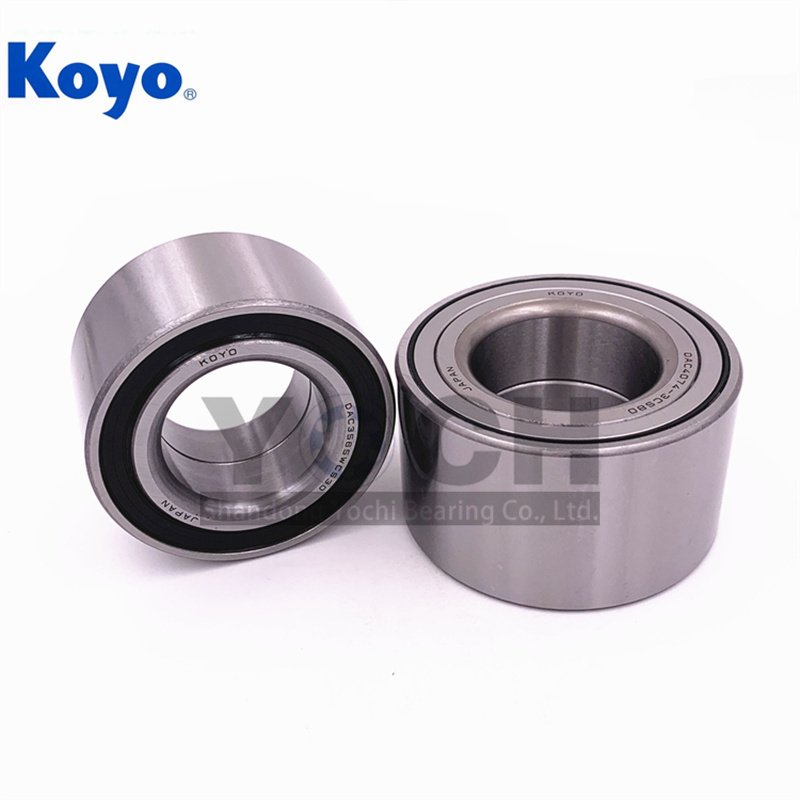
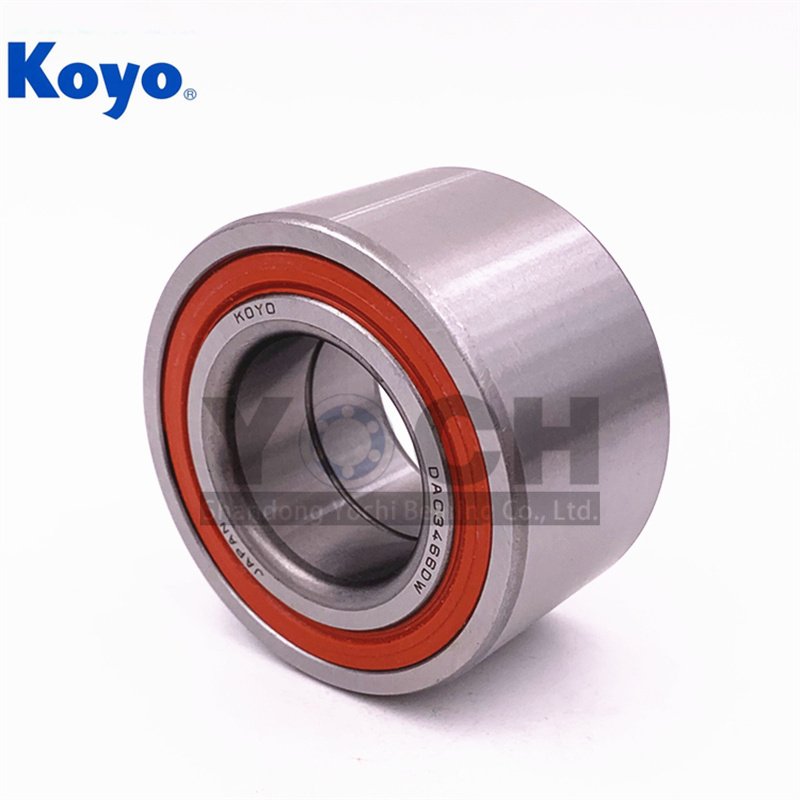
Wheel bearings are important components of a vehicle’s braking, steering, and suspension systems. The one-piece hub assembly, located between the drive axle and the brake disc or drums, incorporates the hub, wheel bearings, ABS wheel speed sensor, and mounting flange.
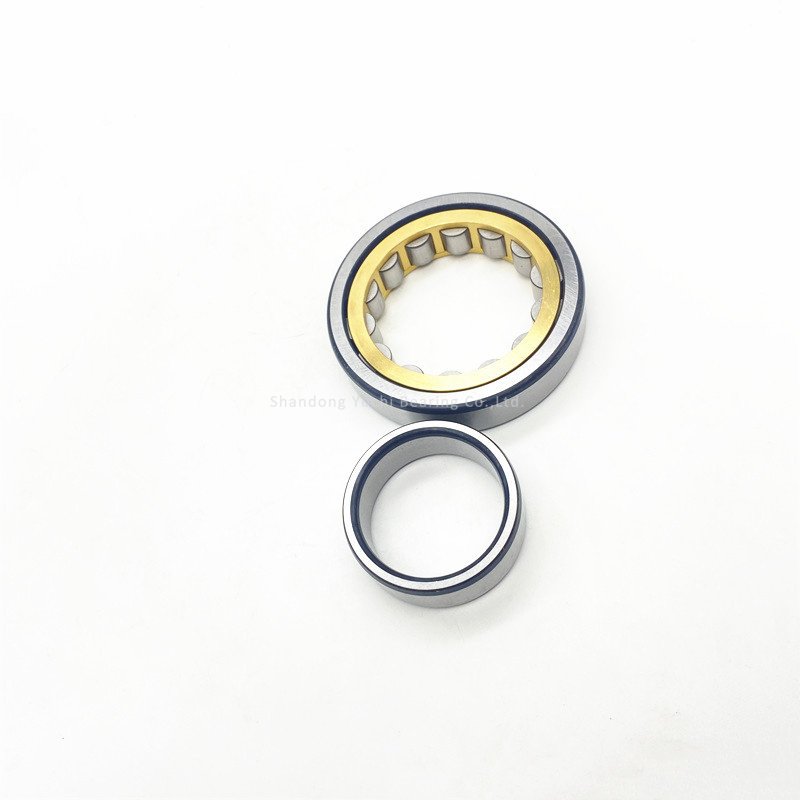
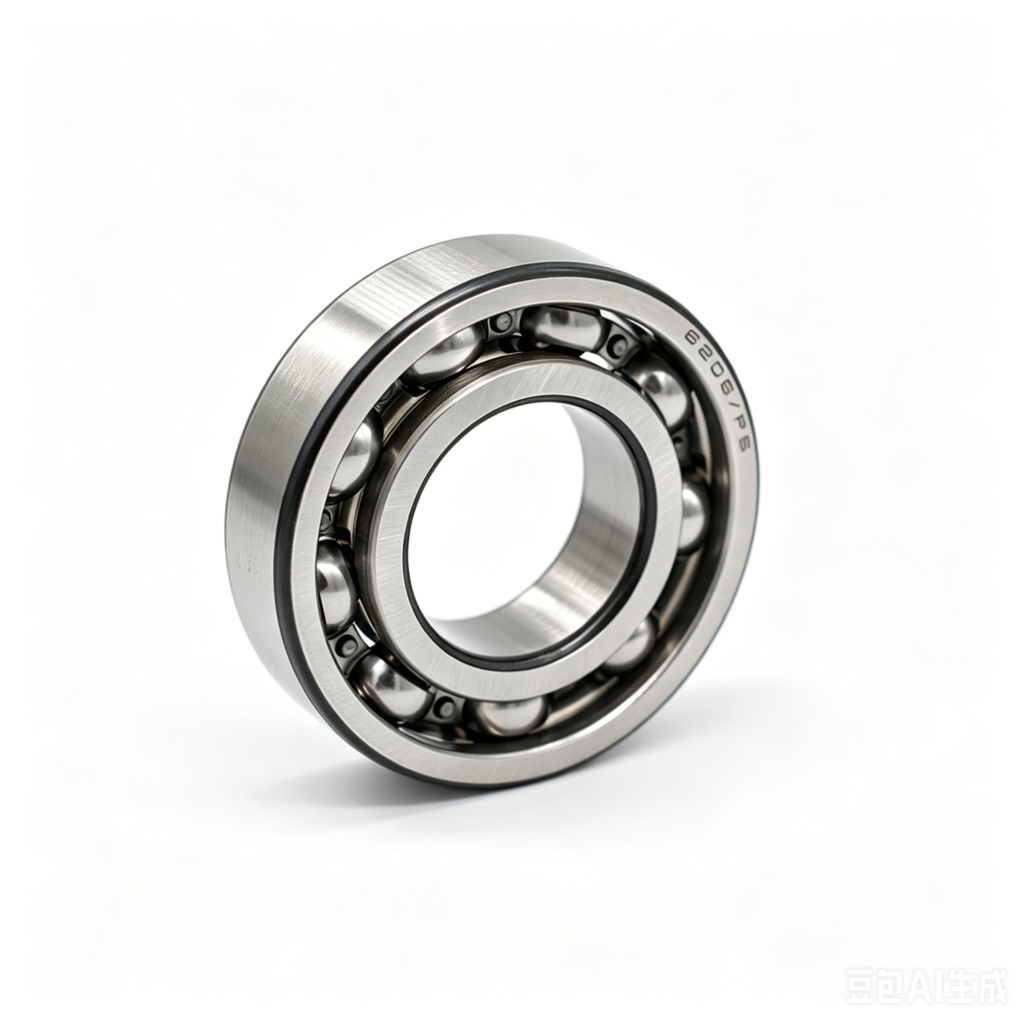
The bearings are tightly packed in a grease-filled, waterproof, sealed metal ring. This housing, called a race, is located inside the hub, and each wheel has one. Wheel bearings have a Herculean responsibility: They are engineered to support the vehicle’s entire weight.
• Accommodate misalignment
• High load carrying capacity
• Relubrication features
• Low friction and long service life
• Increased wear resistance
Hub bearings are very important part in terms of vehicle safety. Selecting the type of bearing most suited to the vehicle ensures safety and is very important for exhibiting the required performance. To select the best bearing, one must consider and evaluate the bearings from a variety of angles.
Life of hub bearings is calculated by inputting reaction force (radial load and axial load) on the wheel given as set traveling conditions as load. Each bearing is a unit bearing consisting of two rows of bearings. Life of the bearings is calculated separately for the each of the bearings. Bearing life is calculated for the outer and inner bearings.
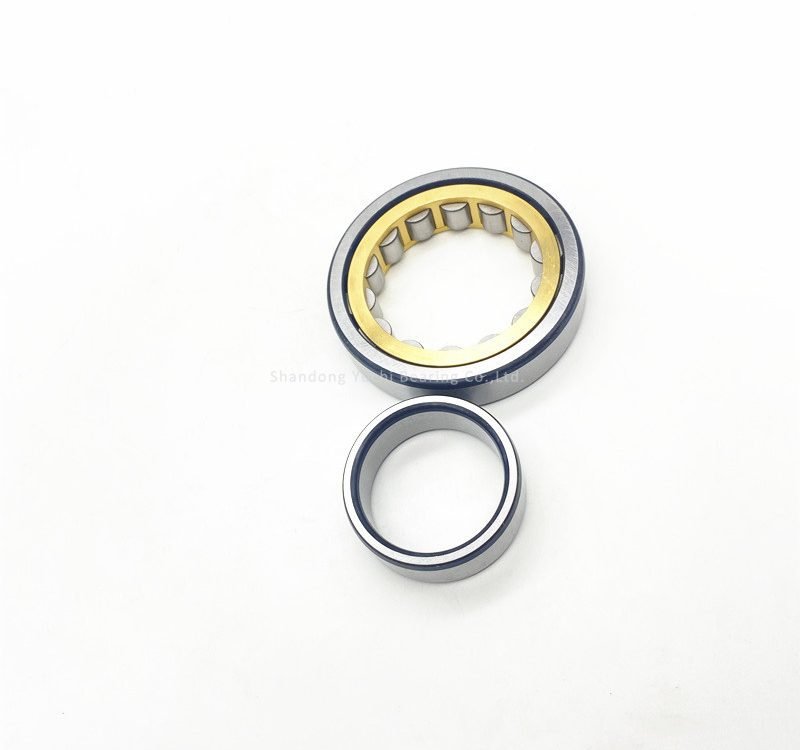
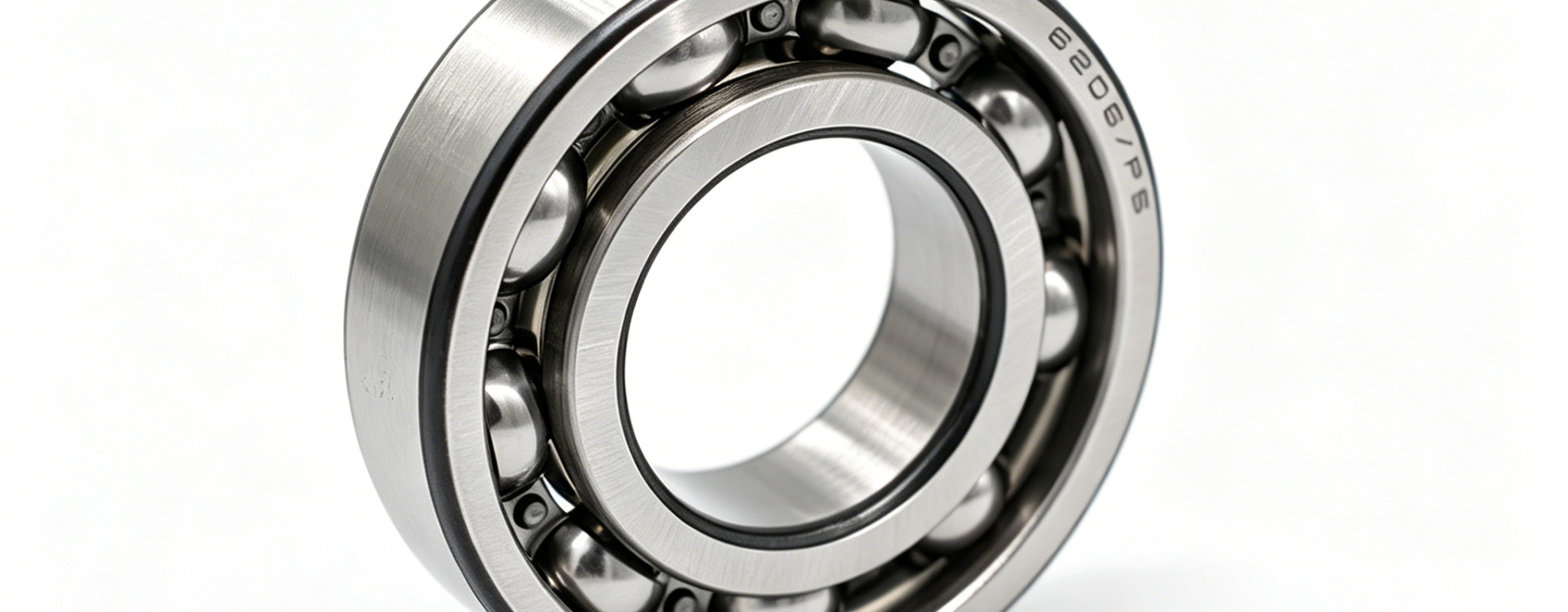
High Precision KOYO Bearing DAC38720040ZZ Wheel Hub Bearing