- Welcome to YOCH Bearing!
- 0086-531-85866205
- 0086-16653196205
- market@yochibearing.com

Cylindrical roller bearings structure and components
Basic knowledge of Needle Roller bearings
24/06/2025Methods to Reduce the Impact of Temperature and Vibration on FAG Bearings
26/06/2025
Cylindrical roller bearings are a type of rolling element bearing that uses cylinders as the rolling elements. They are widely used in various industrial applications due to their unique characteristics and advantages.
Structure and Components
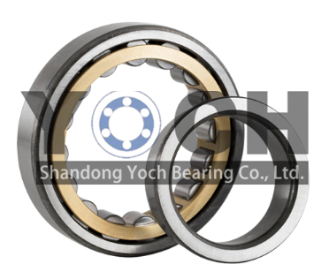
Cylindrical roller bearings typically consist of several key parts. The inner ring and outer ring are two essential components that provide the basic framework for the bearing. The cylindrical rollers are placed between the inner and outer rings, allowing for smooth rotation. These rollers are usually guided by a cage or retainer, which keeps them evenly spaced and prevents them from rubbing against each other. The cage can be made of different materials such as steel or brass, depending on the specific requirements of the application.
Types and Variations
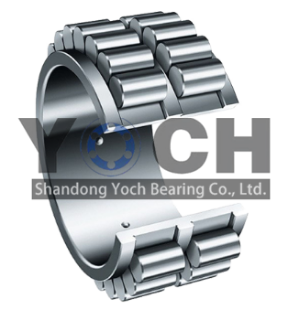
There are several types of cylindrical roller bearings to suit different needs. Single row cylindrical roller bearings are the most common type. They have a relatively simple structure and can handle radial loads effectively. Double row cylindrical roller bearings, as the name suggests, have two rows of rollers. This design allows them to support higher loads compared to single row bearings. Some cylindrical roller bearings also have full complement designs, which means they have more rollers packed into the bearing space. This can increase the load capacity but may reduce the speed capability to some extent.
Load Capacity and Performance
Cylindrical roller bearings are known for their high radial load capacity. The cylindrical shape of the rollers provides a larger contact area with the raceways, which helps distribute the load more evenly. This makes them suitable for applications where heavy radial loads are present. However, their thrust load capacity is relatively low compared to some other types of bearings like spherical roller bearings. In terms of speed performance, cylindrical roller bearings can operate at relatively high speeds, especially when properly lubricated and maintained. The use of high-quality materials and advanced manufacturing processes can further enhance their speed and load handling capabilities.
Lubrication and Maintenance
Proper lubrication is crucial for the performance and longevity of cylindrical roller bearings. Grease is a common lubricant used for these bearings. It provides a protective film between the rolling elements and the raceways, reducing friction and wear. Oil lubrication can also be used in certain applications, particularly when higher speeds or more precise control of lubrication is required. Regular maintenance is essential to ensure the bearings operate smoothly. This includes checking for signs of wear, ensuring the lubricant is clean and sufficient, and verifying that the bearing is properly seated and aligned. Misalignment or improper installation can lead to premature failure of the bearing.
Applications
Cylindrical roller bearings are used in a wide range of industries and applications. In the automotive industry, they are often found in the differential and transmission systems. Their ability to handle high radial loads makes them ideal for supporting the rotating shafts and gears in these systems. In the machine tool industry, cylindrical roller bearings are used in spindle assemblies. They provide precise rotation and support for the cutting tools, ensuring accurate machining operations. Other applications include electric motors, gearboxes, and various types of industrial machinery where reliable and efficient bearing solutions are needed.
Selection Considerations
When selecting cylindrical roller bearings for a specific application, several factors need to be taken into account. The load type and magnitude are critical. You need to determine whether the bearing will be subjected to radial loads, thrust loads, or a combination of both. The speed at which the bearing will operate is also important. Different types of cylindrical roller bearings have different speed limits, and choosing the right one based on the operating speed is essential for optimal performance. The environmental conditions, such as temperature and contamination levels, should also be considered. Bearings that will be exposed to harsh environments may require special materials or coatings to enhance their durability and resistance to corrosion.
In conclusion, cylindrical roller bearings are versatile and reliable components that play a vital role in many industrial applications. Understanding their basic knowledge, including structure, types, performance characteristics, and proper maintenance practices, can help ensure their effective use and long service life. By carefully considering the selection factors and matching the bearing to the specific application requirements, you can achieve efficient and reliable operation of your machinery.
We are Shandong Yochi Bearing Co., Ltd. from China. If you need to know more, please contact us.