- Welcome to YOCH Bearing!
- 0086-531-85866205
- 0086-16653196205
- market@yochibearing.com

Basic knowledge of Needle Roller bearings
The principle usually followed by the naming rules of angular contact bearings
18/06/2025Cylindrical roller bearings structure and components
25/06/2025Needle Roller bearings Introduction
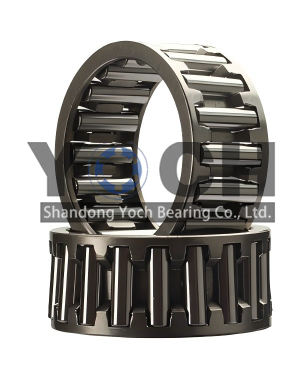
Needle roller bearings are a type of rolling element bearing that uses needle-shaped rollers as the rolling elements. They are widely used in various industrial applications due to their unique characteristics and advantages. In this article, we will delve into the basic knowledge of needle roller bearings, focusing on their structure, types, applications, and maintenance. By understanding these aspects, you can make informed decisions when selecting and using needle roller bearings for your specific needs.
Needle Roller bearings Structure and Components
Basic Components
Needle roller bearings typically consist of several key parts:
- Inner Ring: The inner ring provides the inner raceway for the needle rollers.
- Outer Ring: The outer ring provides the outer raceway for the needle rollers.
- Needle Rollers: These are the rolling elements that provide smooth rotation and distribute the load.
- Cage or Retainer: The cage keeps the needle rollers evenly spaced and prevents them from rubbing against each other.
Variations
There are several variations of needle roller bearings, each designed to meet specific application requirements:
- Single Row Needle Roller Bearings: These are the most common type, offering high radial load capacity.
- Double Row Needle Roller Bearings: These have two rows of needle rollers, providing higher load capacity.
- Full Complement Needle Roller Bearings: These bearings have more needle rollers packed into the bearing space, increasing load capacity but potentially reducing speed capability.
Needle Roller bearings Types and Variations
Single Row Needle Roller Bearings
- Description: These bearings have a single row of needle rollers and are designed for high radial load capacity.
- Applications: Commonly used in automotive differentials, machine tool spindles, and electric motors.
Double Row Needle Roller Bearings
- Description: These bearings have two rows of needle rollers, providing higher load capacity.
- Applications: Suitable for heavy-duty applications such as gearboxes and industrial machinery.
Full Complement Needle Roller Bearings
- Description: These bearings have more needle rollers packed into the bearing space, increasing load capacity.
- Applications: Ideal for applications requiring high load capacity and compact design.
Needle Roller bearings Load Capacity and Performance
Radial Load Capacity
Needle roller bearings are known for their high radial load capacity. The needle shape of the rollers provides a larger contact area with the raceways, which helps distribute the load more evenly.
Thrust Load Capacity
While needle roller bearings can handle radial loads effectively, their thrust load capacity is relatively low compared to other types of bearings like spherical roller bearings.
Speed Performance
Needle roller bearings can operate at relatively high speeds, especially when properly lubricated and maintained. High-quality materials and advanced manufacturing processes can further enhance their speed and load handling capabilities.
Needle Roller bearings Lubrication and Maintenance
Lubrication
Proper lubrication is crucial for the performance and longevity of needle roller bearings. Common lubricants include:
- Grease: Provides a protective film between the rolling elements and the raceways, reducing friction and wear.
- Oil: Used in applications requiring higher speeds or more precise control of lubrication.
Maintenance
Regular maintenance is essential to ensure the bearings operate smoothly. Key maintenance tasks include:
- Checking for Wear: Inspect the bearing for signs of wear or damage.
- Lubricant Check: Ensure the lubricant is clean and sufficient.
- Alignment Verification: Verify that the bearing is properly seated and aligned.
Needle Roller bearings Applications
Automotive Industry
Needle roller bearings are commonly used in automotive differentials and transmission systems. Their high radial load capacity makes them ideal for supporting rotating shafts and gears.
Machine Tool Industry
In the machine tool industry, needle roller bearings are used in spindle assemblies. They provide precise rotation and support for cutting tools, ensuring accurate machining operations.
Electric Motors and Gearboxes
Needle roller bearings are also used in electric motors and gearboxes, where reliable and efficient bearing solutions are required.
Focus on Needle Roller Bearings
Linear Bearings
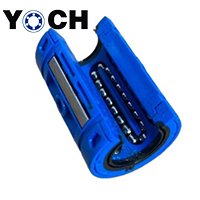
Linear bearings are a specific type of needle roller bearings designed to provide smooth linear motion. They are commonly used in applications requiring precise linear movement, such as machine tools, robotics, and automation equipment.
High Load Capacity
Needle roller bearings are known for their high load capacity, making them suitable for applications with heavy radial loads.
Low Friction
The needle shape of the rollers provides low friction, ensuring smooth operation and reducing energy consumption.
Long Service Life
With proper lubrication and maintenance, needle roller bearings can have a long service life, reducing downtime and maintenance costs.
Needle Roller bearings Selection Considerations
Load Type and Magnitude
Determine whether the bearing will be subjected to radial loads, thrust loads, or a combination of both. Choose the appropriate type of needle roller bearing based on the load requirements.
Operating Speed
Different types of needle roller bearings have different speed limits. Select the right bearing based on the operating speed to ensure optimal performance.
Environmental Conditions
Consider the environmental conditions, such as temperature and contamination levels. Bearings exposed to harsh environments may require special materials or coatings to enhance durability and resistance to corrosion.
Needle Roller bearings Conclusion
Needle roller bearings are versatile and reliable components that play a vital role in many industrial applications. Understanding their basic knowledge, including structure, types, performance characteristics, and proper maintenance practices, can help ensure their effective use and long service life. By carefully considering the selection factors and matching the bearing to the specific application requirements, you can achieve efficient and reliable operation of your machinery. Whether you are looking for high load capacity, low friction, or precise linear motion, needle roller bearings offer a wide range of solutions to meet your needs.
We are a bearing supplier from China. If you want to learn more about other bearing knowledge, you can watch our YouTube or contact us.