- Welcome to YOCH Bearing!
- 0086-531-85866205
- 0086-16653196205
- market@yochibearing.com

Exploring Different Types of Wheel Hub Bearings for Cars: A Comprehensive Guide
Bearing Paint Rust Phenomenon
07/02/2025Common Issues with Rolling Door Bearings and How to Solve Them
18/04/2025Exploring Different Types of Wheel Hub Bearings for Cars
Table of Contents
1. Introduction to Wheel Hub Bearings
2. Understanding the Function of Wheel Hub Bearings
3. Types of Wheel Hub Bearings
3.1. Ball Bearings
3.2. Roller Bearings
3.3. Tapered Roller Bearings
3.4. Double Row Ball Bearings
4. The Importance of Quality in Wheel Hub Bearings
5. Wheel Hub Bearing Installation and Maintenance
6. Signs of Worn or Damaged Wheel Hub Bearings
7. Frequently Asked Questions (FAQs)
8. Conclusion
1. Introduction to Wheel Hub Bearings
Wheel hub bearings play a **crucial role** in the overall functioning of a vehicle. These components are designed to support the weight of the vehicle while allowing for smooth rotation of the wheels. Their significance becomes apparent when considering that they influence the vehicle’s handling, braking, and overall safety. In this article, we will explore the various types of wheel hub bearings, their functions, and key considerations for maintenance and installation.
2. Understanding the Function of Wheel Hub Bearings
The primary function of wheel hub bearings is to provide a **smooth interface** between the wheel and the axle. They facilitate the rotation of the wheels, which is critical for vehicle movement. The bearings reduce friction, enabling the wheels to spin freely while supporting the weight of the vehicle. A well-functioning wheel hub bearing ensures that the vehicle handles properly, enhances fuel efficiency, and contributes to overall safety.
3. Types of Wheel Hub Bearings
When it comes to wheel hub bearings, various types serve different purposes and applications. Understanding these types can help car owners make informed choices during maintenance or replacement.
3.1. Ball Bearings
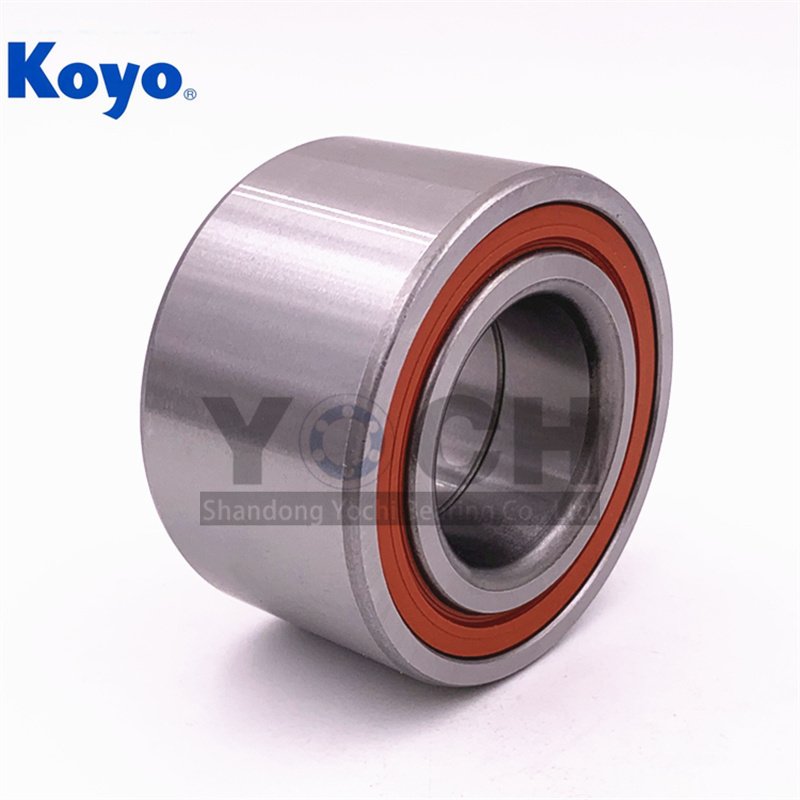
Ball bearings are among the most common types used in wheel hubs. They consist of **balls** positioned between two rings, effectively distributing the weight of the vehicle. Their design allows for minimal friction and high rotational speed, making them ideal for passenger vehicles. However, they may not be the best choice for heavy-duty applications due to their limited load-bearing capacity.
3.2. Roller Bearings
Roller bearings utilize cylindrical rollers instead of balls. This design increases the contact area with the raceway, allowing them to handle larger loads. Roller bearings are often found in larger vehicles or applications where higher load capacity is necessary. They provide durability and longevity, making them an excellent choice for trucks and SUVs.
3.3. Tapered Roller Bearings
Tapered roller bearings are designed to support both radial and axial loads. Their conical shape allows them to handle forces from multiple directions, making them ideal for applications like wheel hubs. They are commonly used in heavier vehicles and offer superior performance in demanding conditions. Their ability to maintain precise tolerances ensures stability during operation.
3.4. Double Row Ball Bearings
As the name suggests, double row ball bearings have two rows of balls, allowing them to handle more load than single-row designs. This type is often utilized in vehicles requiring high durability and stability, particularly in off-road or heavy-duty applications. They offer enhanced performance and longevity, making them a preferred choice for various automotive manufacturers.
4. The Importance of Quality in Wheel Hub Bearings
The **quality** of wheel hub bearings can significantly affect vehicle performance. High-quality bearings are designed to withstand the rigors of daily driving and provide smooth operation over time. When selecting wheel hub bearings, consider factors such as material durability, manufacturer reputation, and warranty. Investing in quality bearings can save money in the long run by reducing maintenance needs and enhancing safety.
5. Wheel Hub Bearing Installation and Maintenance
Proper installation and maintenance of wheel hub bearings are critical for optimal performance. Here are some essential tips:
– Always follow the manufacturer’s specifications when installing bearings.
– Use the correct tools to avoid damage during the installation process.
– Regularly check the bearings for signs of wear or damage.
– Ensure that bearings are properly lubricated to minimize friction.
– Consider professional installation if you are not experienced with automotive repairs.
Routine maintenance can help identify issues before they escalate, ensuring the longevity of your wheel hub bearings.
6. Signs of Worn or Damaged Wheel Hub Bearings
Recognizing the signs of **worn or damaged wheel hub bearings** is essential for maintaining vehicle safety. Some common indicators include:
– Unusual noises, such as grinding or humming while driving.
– Vibration in the steering wheel or the vehicle itself.
– Uneven tire wear, which can signal bearing failure.
– A noticeable decrease in handling stability, particularly during turns.
– Increased play in the wheel hub, indicating excessive wear.
If you notice any of these symptoms, it is crucial to have your wheel hub bearings inspected by a professional to prevent further damage.
7. Frequently Asked Questions (FAQs)
What are the common types of wheel hub bearings?
Common types include ball bearings, roller bearings, tapered roller bearings, and double row ball bearings, each serving different vehicle needs.
How often should wheel hub bearings be replaced?
Typically, wheel hub bearings should be inspected during regular maintenance and replaced as needed, depending on wear and tear, generally every 100,000 miles or more.
Can I drive with a bad wheel hub bearing?
It is not advisable to drive with a bad wheel hub bearing as it can lead to further damage and compromise vehicle safety.
How can I tell if my wheel hub bearings are failing?
Signs of failure include unusual noises, vibrations, uneven tire wear, and decreased handling stability.
What is the average cost of replacing wheel hub bearings?
The cost can vary significantly based on vehicle make and model but typically ranges from $200 to $500 per wheel, including parts and labor.
8. Conclusion
In summary, understanding the different types of wheel hub bearings is essential for any vehicle owner. These components play a vital role in ensuring a smooth and safe driving experience. By recognizing the importance of quality, proper installation, and routine maintenance, we can enhance the longevity of our vehicles and ensure optimal performance. Whether you drive a passenger car, an SUV, or a heavy-duty truck, being informed about your wheel hub bearings can lead to better vehicle care and improved safety on the road.