- Welcome to YOCH Bearing!
- 0086-531-85866205
- 0086-16653196205
- market@yochibearing.com

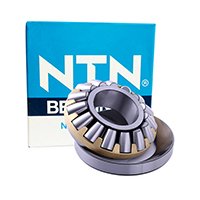
NTN Metallurgical Thrust Roller Bearing Replacement and Inspection Methods
Causes, Symptoms and Handling of SKF Abnormally High Operating Temperature
05/01/2026NTN Large Wind-Turbine Bearing Faults in Service: Lessons from the Field
13/01/2026In the demanding environment of metallurgical operations, NTN thrust roller bearings play a critical role in supporting heavy axial loads and ensuring smooth equipment operation. Proper replacement and inspection procedures are essential for maintaining operational efficiency and preventing costly downtime. This comprehensive guide outlines the key methods for replacing and inspecting NTN metallurgical thrust roller bearings.
Pre-Replacement Assessment of Bearing Condition
Before initiating any replacement procedure, a thorough assessment of the current bearing condition is crucial. Visual inspection should focus on identifying signs of wear, pitting, or contamination on the bearing races and rolling elements. Metallurgical applications often expose bearings to extreme temperatures, heavy loads, and contaminants, making regular assessment vital. Check for discoloration, which may indicate overheating, and listen for unusual noises during operation that could suggest internal damage. Document all findings to establish a baseline for comparison after replacement.
Proper Bearing Removal Techniques
When removing the old bearing, careful attention must be paid to avoid damage to the shaft and housing. Use appropriate pullers and ensure even pressure distribution during extraction. In metallurgical environments, bearings may be seized due to heat or contamination, requiring specialized removal tools. Never use excessive force that could damage the shaft seat or housing bore. Clean the removal area thoroughly and inspect the shaft and housing for any damage that might affect the new bearing installation.
Thorough Cleaning and Preparation
After removal, thoroughly clean all components that will come into contact with the new bearing. Use appropriate solvents to remove all traces of old lubricant, dirt, and metal particles. Inspect the shaft and housing for scoring, corrosion, or dimensional changes. Any damage should be addressed before installation. Measure the shaft and housing dimensions to ensure they meet NTN specifications, as metallurgical applications can cause thermal expansion and contraction that affects fit.
Precision Installation Procedures
Installing the new NTN thrust roller bearing requires precision and cleanliness. Ensure the bearing is handled with clean gloves to prevent contamination. Apply the correct mounting force evenly across the bearing face, using a press or appropriate installation tools. Never strike the bearing directly with a hammer. For metallurgical applications, consider the operating temperature range and select the appropriate interference fit. Verify proper alignment during installation, as misalignment is a common cause of premature bearing failure in heavy-duty applications.
Critical Clearance and Tolerance Checks
After installation, verify that the bearing has the correct internal clearance and that all tolerances meet NTN specifications. Metallurgical operations often involve significant thermal cycling, so proper clearance is essential to accommodate thermal expansion. Use feeler gauges or dial indicators to measure axial play and ensure it falls within the recommended range. Document all measurements for future reference and trend analysis.
Lubrication System Verification
Proper lubrication is critical for bearing longevity in metallurgical applications. Verify that the lubrication system is functioning correctly and that the appropriate lubricant is being used. Check flow rates, pressure, and temperature specifications. In high-temperature metallurgical environments, consider using synthetic lubricants designed for extreme conditions. Ensure that lubricant delivery systems are clean and free from contamination that could damage the bearing.
Post-Installation Testing and Monitoring
After completing the installation, conduct a thorough testing protocol. Run the equipment at gradually increasing speeds while monitoring temperature, vibration, and noise levels. The bearing should operate smoothly without unusual sounds or excessive heat generation. Establish baseline measurements for future comparison. Implement a regular monitoring schedule to track bearing performance and identify potential issues before they lead to failure.
Documentation and Maintenance Scheduling
Maintain detailed records of all bearing replacement and inspection activities. Document the reasons for replacement, installation procedures, measurements taken, and any unusual conditions observed. Use this information to optimize maintenance schedules and improve future replacement procedures. In metallurgical operations, where downtime is costly, predictive maintenance based on bearing condition monitoring can provide significant economic benefits.
By following these comprehensive methods for NTN metallurgical thrust roller bearing replacement and inspection, operators can ensure optimal equipment performance, extend bearing life, and minimize unexpected failures in the challenging metallurgical environment. Regular attention to these procedures will contribute significantly to overall operational efficiency and cost reduction.
We are a bearing supplier from China. If you want to learn more about other bearing knowledge, you can watch our YouTube or contact us.