- Welcome to YOCH Bearing!
- 0086-531-85866205
- 0086-16653196205
- market@yochibearing.com

Clutch Bearing Working Principle and Structural Composition Detailed Explanation
Centrifugal Pump Bearing Selection: A Comprehensive Guide for Optimal Performance
22/12/2025Deep Groove Ball Bearing Clearance Classification: A Complete Guide
29/12/2025Introduction to Clutch Bearing Systems
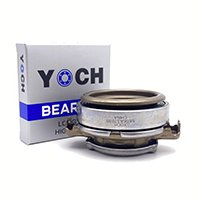
The clutch bearing, also known as the release bearing, serves as a critical component in manual transmission vehicles. This specialized bearing enables smooth engagement and disengagement of the clutch system, allowing drivers to shift gears seamlessly. Understanding the clutch bearing’s functionality is essential for proper vehicle maintenance and optimal performance.
Basic Working Principle of Clutch Bearing Mechanism
The clutch bearing operates on a simple yet effective mechanical principle. When the driver depresses the clutch pedal, the clutch bearing moves forward to contact the pressure plate’s release fingers. This action disengages the clutch disc from the flywheel, interrupting power transmission from the engine to the transmission. The bearing’s smooth rotation and precise positioning ensure minimal friction and wear during this critical operation.
Main Components of Clutch Bearing Assembly
A typical clutch bearing assembly consists of several key elements working in harmony. The primary bearing unit contains precision-engineered rollers or balls housed within a robust outer race. The bearing retainer maintains proper spacing and alignment of internal components. Additionally, the clutch fork and hydraulic actuation system work together to provide the necessary force for bearing operation.
Bearing Types Used in Clutch Systems
Different clutch bearing designs cater to various vehicle applications and performance requirements. The most common types include hydraulic release bearings, mechanical pull-type bearings, and concentric slave cylinder bearings. Each bearing type offers distinct advantages in terms of installation complexity, maintenance needs, and operational characteristics.
Bearing Load Distribution and Force Analysis
The clutch bearing experiences significant axial loads during operation, requiring careful engineering consideration. The bearing must withstand forces generated by the pressure plate springs while maintaining smooth rotation. Proper load distribution across the bearing’s contact surfaces ensures extended service life and reliable performance under demanding conditions.
Bearing Lubrication Requirements and Maintenance
Adequate lubrication is crucial for clutch bearing longevity and performance. Most modern clutch bearings come pre-lubricated from the factory, featuring sealed designs that prevent contamination. However, understanding lubrication requirements helps mechanics identify potential issues and perform appropriate maintenance procedures when necessary.
Common Bearing Failure Modes and Symptoms
Clutch bearing failures typically manifest through distinctive symptoms that alert drivers to potential problems. Unusual noises during clutch operation, difficulty in gear shifting, and clutch pedal vibration often indicate bearing wear or damage. Recognizing these warning signs enables timely intervention and prevents more extensive transmission damage.
Bearing Installation and Replacement Procedures
Proper clutch bearing installation requires adherence to specific technical procedures and safety protocols. The replacement process involves removing the transmission assembly, inspecting related components, and ensuring correct bearing positioning. Professional installation techniques guarantee optimal bearing performance and prevent premature failure.
Bearing Quality Standards and Specifications
Clutch bearings must meet stringent quality standards to ensure reliable performance in diverse operating conditions. International standards such as ISO and DIN specify requirements for bearing materials, dimensional tolerances, and performance characteristics. Understanding these specifications helps in selecting appropriate replacement bearings for different vehicle applications.
Technological Advancements in Bearing Design
Recent innovations in clutch bearing technology focus on improving durability, reducing noise, and enhancing overall system efficiency. Advanced materials, improved sealing systems, and integrated sensor technologies represent significant developments in modern bearing designs. These technological improvements contribute to extended service intervals and enhanced driving comfort.
Conclusion and Maintenance Recommendations
The clutch bearing represents a vital component in manual transmission systems, requiring proper understanding for effective maintenance and troubleshooting. Regular inspection, timely replacement, and adherence to manufacturer specifications ensure optimal bearing performance and extended service life. Vehicle owners and mechanics should prioritize clutch bearing maintenance as part of comprehensive transmission care to prevent costly repairs and maintain reliable vehicle operation.