- Welcome to YOCH Bearing!
- 0086-531-85866205
- 0086-16653196205
- market@yochibearing.com

Centrifugal Pump Bearing Selection: A Comprehensive Guide for Optimal Performance
Bearing Heat Treatment and Surface Treatment: Complete Guide for Industrial Applications
17/12/2025
Clutch Bearing Working Principle and Structural Composition Detailed Explanation
24/12/2025Centrifugal pumps are the workhorses of industrial applications, and their reliability heavily depends on proper bearing selection. Choosing the right bearing configuration can significantly impact pump efficiency, maintenance costs, and operational lifespan. This comprehensive guide explores the critical factors in centrifugal pump bearing selection to help engineers make informed decisions.
Understanding Bearing Types for Centrifugal Pumps
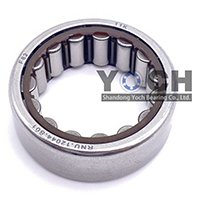
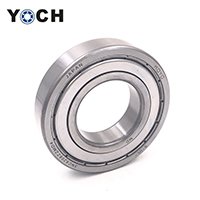
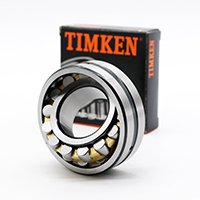
Centrifugal pumps typically utilize two main bearing categories: rolling element bearings and fluid film bearings. Rolling element bearings, including ball and roller types, are most common in industrial pumps due to their versatility and cost-effectiveness. Deep groove ball bearings handle moderate radial and axial loads, while angular contact ball bearings excel in applications with significant axial thrust. Cylindrical roller bearings accommodate heavy radial loads, and spherical roller bearings compensate for shaft misalignment.
Bearing Load Analysis and Calculation
Accurate load calculation forms the foundation of proper bearing selection. Centrifugal pumps generate radial loads from the impeller’s weight and hydraulic forces, plus axial loads from pressure differentials. Engineers must calculate both static and dynamic load ratings, considering factors like pump speed, fluid density, and operating pressure. The basic bearing life equation, L10 = (C/P)^p, helps determine the appropriate bearing size, where C represents the basic dynamic load rating, P is the equivalent dynamic bearing load, and p equals 3 for ball bearings or 10/3 for roller bearings.
Bearing Materials and Lubrication Considerations
Material selection significantly impacts bearing performance in centrifugal pump applications. Standard bearing rings and rolling elements typically use high-carbon chromium steel, but specialized applications may require stainless steel or ceramic materials for corrosion resistance. Bearing lubrication represents another critical factor—oil lubrication suits high-speed applications, while grease lubrication offers simplicity and contamination protection. Proper lubricant selection prevents premature bearing failure and extends service intervals.
Bearing Arrangement and Mounting Configurations
Centrifugal pump bearing arrangements must accommodate thermal expansion while maintaining precise shaft positioning. Common configurations include back-to-back, face-to-face, and tandem arrangements for angular contact ball bearings. The bearing housing design should facilitate proper mounting, with adequate clearance for thermal expansion and contraction. Proper shaft and housing tolerances ensure optimal bearing fit, preventing both excessive looseness and damaging interference.
Bearing Sealing and Contamination Protection
Contamination represents a leading cause of bearing failure in centrifugal pumps. Effective sealing systems protect bearings from process fluid ingress and environmental contaminants. Labyrinth seals, mechanical seals, and magnetic seals each offer distinct advantages depending on application requirements. Bearing isolators provide excellent protection against both liquid and solid contamination while accommodating shaft movement and thermal variations.
Bearing Monitoring and Predictive Maintenance
Modern centrifugal pump operations benefit from continuous bearing condition monitoring. Vibration analysis, temperature monitoring, and oil analysis techniques help predict bearing failures before catastrophic damage occurs. Establishing baseline bearing performance parameters enables early detection of developing problems, allowing planned maintenance interventions that minimize unplanned downtime and repair costs.
Common Bearing Failure Modes and Prevention
Understanding typical bearing failure mechanisms helps engineers implement preventive measures. Fatigue spalling, lubrication degradation, contamination damage, and improper mounting represent the most common centrifugal pump bearing failure modes. Implementing proper installation procedures, maintaining clean lubrication systems, and following manufacturer-recommended maintenance schedules significantly extend bearing service life.
Bearing Selection Best Practices and Standards
Industry standards provide valuable guidance for centrifugal pump bearing selection. API 610 specifications outline requirements for petroleum and chemical industry pumps, while ISO standards address general bearing selection criteria. Consulting with bearing manufacturers’ application engineers ensures optimal selection for specific operating conditions. Consider factors like speed, load, temperature, contamination risk, and maintenance accessibility when making final bearing selections.
Conclusion: Optimizing Centrifugal Pump Performance Through Proper Bearing Selection
Proper bearing selection represents a critical investment in centrifugal pump reliability and performance. By understanding load requirements, material properties, lubrication needs, and environmental factors, engineers can specify bearings that deliver optimal service life and minimal maintenance requirements. The upfront effort in careful bearing selection pays dividends through reduced downtime, lower maintenance costs, and improved process reliability. As centrifugal pump applications become increasingly demanding, partnering with experienced bearing suppliers and staying current with technological advances ensures continued operational success in industrial fluid handling systems.