- Welcome to YOCH Bearing!
- 0086-531-85866205
- 0086-16653196205
- market@yochibearing.com

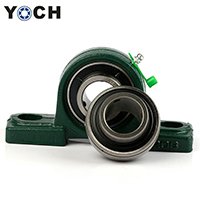
Pillow Block Bearing Rust Prevention: Maintenance Cycle and Protective Coating Selection Guide
Structural Characteristics of Sealed Bearings and Key Points for Seal Profile Inspection
08/04/2026Advantages of TIMKEN Precision Ball Screw Support Bearings
13/04/2026In industrial environments, pillow block bearings face constant threats from moisture, corrosive chemicals, and extreme temperatures. Implementing a systematic rust prevention strategy is essential for extending service life and ensuring reliable machinery operation. This comprehensive guide outlines optimal maintenance cycles and coating selection criteria for bearing protection.
Understanding Pillow Block Bearing Corrosion Mechanisms
Corrosion in pillow block bearings typically originates from three primary sources: environmental humidity, process contaminants, and galvanic reactions between dissimilar metals. The bearing housing design, while providing excellent load support, can inadvertently trap moisture if drainage provisions are inadequate. Understanding these failure modes enables maintenance teams to implement targeted preventive measures rather than reactive repairs.
Recommended Maintenance Cycle for Bearing Rust Prevention
Establishing an appropriate maintenance frequency depends heavily on operating environment severity. For standard industrial settings with moderate humidity, quarterly inspections suffice. However, facilities near coastal areas or chemical processing plants require monthly bearing assessments. Critical applications in food processing or pharmaceutical manufacturing demand weekly visual inspections combined with bi-annual comprehensive overhauls.
Documenting each maintenance event creates valuable historical data. This record-keeping practice helps identify patterns in bearing degradation and optimizes future scheduling decisions.
Protective Coating Types for Bearing Applications
Selecting the right protective coating requires balancing multiple performance factors. Zinc-rich primers offer excellent cathodic protection for steel housings, while epoxy-based systems provide superior chemical resistance. For high-temperature applications exceeding 200°C, silicone-modified coatings maintain bearing protection without degradation.
PTFE-based dry film lubricants serve dual purposes, reducing friction while preventing atmospheric corrosion. In marine environments, specialized polyurethane topcoats deliver exceptional salt spray resistance for bearing assemblies exposed to seawater mist.
Surface Preparation Standards for Bearing Protection
Coating effectiveness depends entirely on proper substrate preparation. All bearing housing surfaces require degreasing with solvent cleaners followed by abrasive blasting to SA 2.5 cleanliness standards. Phosphating treatments enhance coating adhesion on ferrous components, while chromate conversion coatings protect aluminum bearing housings from oxidation.
Application Techniques for Bearing Coatings
Spray application achieves uniform film thickness across complex bearing housing geometries. Airless spraying reduces overspray in confined spaces, while electrostatic methods ensure complete coverage on intricate castings. Multiple thin coats outperform single heavy applications, preventing runs and ensuring proper curing between layers.
Monitoring Bearing Coating Performance
Regular inspection protocols should include coating thickness measurements using eddy current gauges. Any bearing showing coating degradation, blistering, or substrate exposure requires immediate attention. Implementing color-coded maintenance tags helps track inspection dates and facilitates compliance verification.
Conclusion
Effective rust prevention for pillow block bearings demands disciplined maintenance cycles and informed coating selection. By matching protective systems to specific environmental challenges, facilities can significantly extend bearing service life while minimizing unplanned downtime. Investing in proper surface preparation and quality coating materials yields substantial returns through reduced replacement costs and improved equipment reliability.
We are a bearing supplier from China. If you want to learn more about other bearing knowledge, you can watch our YouTube or contact us.