- Welcome to YOCH Bearing!
- 0086-531-85866205
- 0086-16653196205
- market@yochibearing.com

A Comprehensive Guide to Sealed Bearing Structures and the Detection Methods for Seal Ring Shapes
Factors and Solutions for Pillow Block Bearings in Vertical Motors
23/09/2025The Art and Science of Forging Rolling Bearing Rings
13/10/2025Delving into the Intricacies of Bearings and Their Sealing Mechanisms
In the realm of mechanical engineering, the efficiency and longevity of machinery are often contingent upon the robustness of their components. One such critical component is the sealed bearing. Bearings are integral to the smooth operation of countless machines, from industrial turbines to everyday appliances. The sealed bearing structure, in particular, stands out for its ability to protect against contaminants and retain lubrication, thereby enhancing performance and durability. This article aims to provide an in-depth exploration of sealed bearing structures and the advanced detection methods used to assess the integrity of their seal ring shapes.
The Significance of Sealed Bearings
Sealed bearings are designed to operate in environments where exposure to dust, moisture, and other contaminants could lead to premature failure. The sealing mechanism is a crucial aspect of these bearings, as it prevents the ingress of foreign particles and the egress of lubricants. This dual function is essential for maintaining the internal precision of the bearing and ensuring that it operates at optimal efficiency. The seal ring, which forms the barrier between the internal and external environments, is a key component in this mechanism.
Types of Sealed Bearings
There are several types of sealed bearings, each tailored to specific applications and operational conditions. Some of the most common types include:
Single-Sided Sealed Bearings
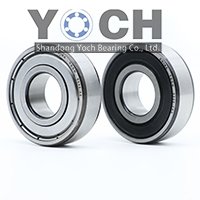
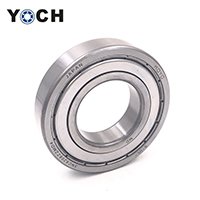
These bearings feature a seal on one side, which is sufficient for many applications where the primary concern is to protect the bearing from contaminants entering from a specific direction. The seal can be made from various materials, including rubber and metal, depending on the required durability and resistance to environmental factors.
Double-Sided Sealed Bearings
For more demanding environments, double-sided sealed bearings offer enhanced protection. These bearings have seals on both sides, providing a more comprehensive barrier against contaminants. They are particularly useful in applications where the bearing is exposed to contaminants from multiple directions.
Contact Sealed Bearings
Contact seals make direct contact with the rotating parts of the bearing, creating a tight seal that is highly effective in preventing the ingress of contaminants. However, this type of seal can generate friction, which may need to be managed to avoid excessive heat and wear.
Non-Contact Sealed Bearings
Non-contact seals, such as labyrinth seals, do not make direct contact with the rotating parts. Instead, they use a complex series of channels to impede the flow of contaminants. This design reduces friction and wear, making it suitable for high-speed applications.
The Importance of Seal Ring Shape Detection
The effectiveness of a sealed bearing is largely dependent on the integrity of its seal ring. Any imperfections or deformities in the seal ring can compromise its ability to prevent the ingress of contaminants and the egress of lubricants. Therefore, it is crucial to have reliable methods for detecting the shape and condition of the seal ring.
Visual Inspection
Visual inspection is the most basic method of detecting seal ring shape. This involves examining the seal ring for visible signs of wear, damage, or deformation. While this method can identify obvious issues, it is not always sufficient for detecting subtle imperfections that could still affect the seal’s performance.
Dimensional Measurement
Dimensional measurement techniques, such as using calipers or micrometers, can provide more precise data on the shape and size of the seal ring. These measurements can help identify deviations from the specified dimensions, which may indicate potential issues with the seal’s integrity.
Non-Destructive Testing (NDT)
Non-destructive testing methods, such as ultrasonic testing and eddy current testing, can detect internal flaws and imperfections in the seal ring without causing damage to the component. These techniques are highly sensitive and can identify issues that may not be visible through visual inspection or dimensional measurement.
Advanced Imaging Techniques
Advanced imaging techniques, such as X-ray imaging and magnetic resonance imaging (MRI), can provide detailed images of the seal ring’s internal structure. These images can reveal hidden defects and provide a comprehensive assessment of the seal ring’s condition.
Conclusion
Sealed bearings play a vital role in the performance and longevity of mechanical systems. The integrity of the seal ring is a critical factor in the effectiveness of these bearings. By employing advanced detection methods, such as dimensional measurement, non-destructive testing, and advanced imaging techniques, engineers can ensure that the seal rings are in optimal condition. This, in turn, helps to maintain the efficiency and reliability of the machinery in which these bearings are used. As technology continues to advance, we can expect even more sophisticated methods for detecting and assessing the condition of seal rings, further enhancing the performance and durability of sealed bearings.